|
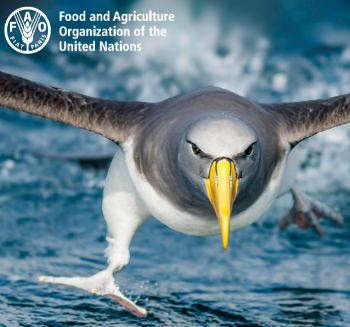
FAO + CCSBT: 'Spatially explicit fisheries risk assessment to seabirds from pelagic longline fishing in the southern hemisphere'
International Study Provides Fresh Impetus to Mitigate Seabird Bycatch in Southern Hemisphere Tuna Longline Fisheries
 WORLDWIDE
Monday, October 12, 2026, 00:10 (GMT + 9)
Comprehensive assessment coordinated by FAO and CCSBT reveals at least 30,000 seabirds die annually in pelagic longline fisheries, identifying high-risk hotspots in the Indian and Atlantic oceans and the Tasman Sea.
A major collaborative scientific assessment has shed new light on the impact of pelagic longline fisheries on seabird populations across the Southern Hemisphere, equipping fisheries managers and commercial fleets with a robust technical foundation to reinforce mitigation strategies.
The evaluation was conducted by the Commission for the Conservation of Southern Bluefin Tuna (CCSBT) with technical backing from the Tuna Project of the Food and Agriculture Organization of the United Nations (FAO) Common Oceans Program. The research integrated fisheries data and biological records from numerous countries and scientific institutions worldwide.

Photo: FAO
Analyzing a fishing effort equivalent to 10 billion hooks and nearly 10,000 observed seabird captures, the study determined that a minimum of 30,000 seabirds are caught annually as bycatch across the assessed pelagic longline fleets. By cross-referencing the biological vulnerability of each species against their population sizes, researchers identified critical risk hotspots in specific sectors of the Tasman Sea, the southern Indian Ocean, and the southeast Atlantic Ocean.
 Manuel Barange, Assistant Director-General and Director of the FAO Fisheries and Aquaculture Division, emphasized the value of collaborative efforts between applied science and the harvesting sector. Barange noted that uniting fisheries data with specialized seabird research provides managers with an indispensable empirical evidence base to focus mitigation and monitoring efforts, thereby decisively reducing seabird mortality. He also stressed that these findings will reinforce ongoing initiatives spearheaded by Regional Fisheries Management Organizations (RFMOs), national governments, and the industry.
Meanwhile, Jonathon Barrington, Executive Secretary of the Agreement on the Conservation of Albatrosses  FIS Seafood Media Group(3).png) and Petrels (ACAP), warned that interactions with fishing gear remain a grave threat to the survival of these species. Barrington highlighted that albatrosses and petrels rank among the most threatened seabirds on the planet, with several currently listed as critically endangered.
From the CCSBT, Executive Secretary Dominic Vallieres welcomed the assessment and commended member countries for their technical and financial  FIS Seafood Media Group(2).png) investment in generating outcomes that foster an ecosystem-based approach to fisheries management.
Practical Mitigation Tools and Onboard Monitoring
The Common Oceans Tuna Project works alongside 25 partner organizations, including regional fisheries bodies, vessel operators, and conservation groups, to broaden the adoption of preventive operational measures.
Among the most effective techniques are the deployment of bird-scaring lines (Tori lines), adequate branch line weighting to accelerate hook sink rates, and night setting of gear. Several RFMOs mandate the combined application of these measures to maximize their efficacy. In addition, hook pod devices—which encase the barb and bait until sinking beyond the diving depth of seabirds—have proven to be a highly effective mitigation solution.

The enforcement and verification of these measures rely on onboard observer programs and electronic monitoring (EM) systems, tools that provide transparency and regulatory compliance data. Within this framework, and in partnership with BirdLife International, a port-based outreach program was successfully established in Fiji to engage directly with fishing crews, a model currently expanding to Indonesia.
Photo: FAO / CCSBT -->
Scientific Methodology Applied to Ocean Governance
The research utilized a Spatially Explicit Fisheries Risk Assessment (SEFRA) framework, examining pelagic longline operations south of the equator from 2012 through 2023. The analysis combined observer data from six CCSBT member nations and Brazil with spatio-temporal seabird distribution and density surfaces.
The study identified particularly severe impacts on several albatross species, including Gibson's albatross (Diomedea .png) antipodensis gibsoni), Amsterdam albatross (Diomedea amsterdamensis), Tristan albatross (Diomedea dabbenena), Atlantic yellow-nosed albatross (Thalassarche chlororhynchos), and sooty albatross (Phoebetria fusca).
Addressing these findings, Stephanie Borelle, Pacific Marine Regional Coordinator at BirdLife International, urged the international community to accelerate the implementation of science-based measures and demanded that member states strictly enforce existing regulatory standards across their distant-water and domestic fleets.
🇯🇵 日本語 (Japanese Version) | AIによる自動翻訳
国際共同研究、南半球の延縄漁業における海鳥混獲削減へ向けた新たな推進力を提示
FAOとCCSBTが主導した包括的評価により、はえ縄漁で年間少なくとも3万羽の海鳥が犠牲になっている実態が判明、タスマン海、インド洋、大西洋に高リスク海域を特定
ローマ — 南半球の表層延縄(はえ縄)漁業における海鳥との遭遇実態を解明する大規模な国際共同評価研究が発表され、水産資源管理者および商業漁船団が海鳥の混獲削減対策を加速させるための強固な科学的知見が示された。
本評価は、国連食糧農業機関(FAO)のコモン・オーシャンズ・プログラム傘下にあるマグロ・プロジェクトの支援を受け、みなみまぐろ保存委員会(CCSBT)が主導して実施した。南半球全域の複数の国や研究機関から漁業実績および海鳥生態データが集約された。
100億本に達する釣針の漁獲努力量と、オブザーバーが記録した約1万件の海鳥捕獲記録を分析した結果、調査対象となった延縄漁業全体で年間少なくとも3万羽の海鳥が混獲されていると試算された。各種の捕獲脆弱性と推定生息数を統合評価した結果、タスマン海、南インド洋、南東大西洋の一部海域が特にリスクの高い重点区域(ホットスポット)として特定された。
FAO水産養殖局長兼事務局次長のマヌエル・バランヘ(Manuel Barange)氏は、応用科学と漁業現場の連携の意義を強調。「漁業データ、海鳥研究、資源管理の専門知識を統合することで、死亡率削減に向けた監視と混獲回避策をより的確に集中させるための実証的根拠が確立された」と述べ、地域漁業管理機関(RFMO)、各国政府、水産関連業界による今後の保全活動を力強く後押しすると評価した。
また、アホウドリ類及びミズナギドリ類の保全に関する協定(ACAP)の事務局長であるジョナサン・バリントン(Jonathon Barrington)氏は、漁具による混獲が依然として対象種の生存を著しく脅かしていると指摘。「アホウドリ類やミズナギドリ類は世界で最も絶滅の危機に瀕している海鳥群であり、一部の種は近絶滅種(CR)に指定されている」と警鐘を鳴らした。
CCSBTの事務局長を務めるドミニク・ヴァリエール(Dominic Vallieres)氏も本評価を歓迎し、加盟国が海洋生態系全体を見据えた漁業管理を推進するために多大な投資と協力を重ねてきた成果であると評した。
実証された混獲回避技術と船上監視体制
コモン・オーシャンズ・マグロ・プロジェクトは、25の国際機関や漁業団体、非政府組織(NGO)等と連携し、海鳥と漁具の接触を最小限に抑える技術的措置の普及を進めている。
実効性の高い手法として、餌のついた釣針に鳥を近づけない鳥除けライン(トリライン)の展張、釣針の沈降速度を速める枝縄への加重配置、夜間投縄が挙げられる。複数のRFMOではこれら複数手法の併用を義務付けている。さらに、海鳥の潜水限界深度まで針先と餌を保護するフックポッド(Hook pod)技術も極めて有効な対策として証明されている。
これらの実効性を担保するためには、船上オブザーバー計画や電子モニタリング(EM)システムの導入が不可欠であり、操業の透明性と規制遵守の確保に寄与している。本プロジェクトではバードライフ・インターナショナルと連携し、フィジーにおいて漁業者と直接対話して混獲回避措置の定着を図る港湾アウトリーチプログラムを構築しており、現在はインドネシアへの展開を進めている。
海洋ガバナンスを支える空間明示型リスク評価
今回の解析では、空間明示型漁業リスク評価(SEFRA)手法が適用され、2012年から2023年にかけて赤道以南で操業した表層延縄漁業を網羅した。CCSBT加盟6カ国およびブラジルのオブザーバー観測データと、海鳥の時空間密度マップが高精度に統合された。
解析の結果、特に深刻な影響を受けている種として、ギブソンアホウドリ(Diomedea antipodensis gibsoni)、アムステルダムアホウドリ(Diomedea amsterdamensis)、トリスタンアホウドリ(Diomedea dabbenena)、ニシアトランティックキバナアホウドリ(Thalassarche chlororhynchos)、ススイロアホウドリ(Phoebetria fusca)などが挙げられた。
バードライフ・インターナショナルの太平洋海洋地域コーディネーターであるステファニー・ボレル(Stephanie Borelle)氏は、「科学的根拠に基づく保全措置の実行を一段と強化し、加盟各国は自国船団に対して現行規制の遵守を徹底させなければならない」と訴えた。
🇨🇳 中文 (Simplified Chinese Version) | 由人工智能自动翻译
国际合作研究为减少南半球渔业海鸟兼捕注入新动力
联合国粮农组织与CCSBT联合评估显示,中上层延绳钓每年导致至少3万只海鸟死亡,并在塔斯曼海、印度洋及大西洋标定高风险海域
罗马 — 一项针对南半球中上层延绳钓渔业与海鸟相互作用的重大国际合作评估研究近日发布,有效填补了长期存在的数据空白,为渔业管理部门和捕捞船队深化海鸟兼捕削减措施提供了坚实的技术依据。
该评估由南方蓝鳍金枪鱼保护委员会(CCSBT)主导实施,并获得了联合国粮食及农业组织(FAO)全球公海海洋项目旗下金枪鱼项目的技术支持。评估整合了南半球多个国家及国际科研机构的捕捞数据和海鸟生态记录。
通过对100亿枚钓钩的捕捞努力量以及观察员记录的近1万起海鸟捕获案例进行综合测算,研究表明受评估的中上层延绳钓船队每年兼捕致死的海鸟数量至少达到3万只。通过结合各物种的受捕脆弱性与种群规模测算,科研人员在塔斯曼海部分水域、南印度洋以及东南大西洋明确识别出了兼捕风险极高的重点海域(Hotspots)。
联合国粮农组织渔业及水产养殖司司长兼副总干事曼努埃尔·巴兰热(Manuel Barange)强调了应用科学与捕捞生产深度协同的重要价值。巴兰热指出,将渔业数据、海鸟科学与管理专长有机结合,为管理者提供了强有力的实证支撑,有助于集中开展针对性的减排与监测工作,从而显著降低海鸟死亡率。这一成果也将进一步强化区域渔业管理组织(RFMO)、各国政府及产业界正在推进的保护行动。
信天翁与海燕保育协定(ACAP)执行秘书乔纳森·巴灵顿(Jonathon Barrington)指出,渔业兼捕仍是威胁此类海鸟生存的关键因素。巴灵顿表示,信天翁与海燕是目前全球受威胁程度最高的鸟类种群,其中部分物种已处于极度濒危状态。
CCSBT执行秘书多米尼克·瓦利埃(Dominic Vallieres)对该研究成果表示高度认可,并指出各成员国在科研与数据整合方面投入了重要力量,旨在推动兼顾广阔海洋生态系统的现代化渔业管理体系。
实用减缓规程与船载监控机制
公海金枪鱼项目目前正协同包括区域渔业管理机构、商业捕捞行业、非政府组织等在内的25家合作机构,全力推广减少海鸟与渔具接触的技术规范。
实践证明极为有效的规避手段包括:布设驱鸟绳(Tori lines)以防止海鸟掠食带饵钓钩、增加支绳铅坠重量以加快下沉速率,以及实行夜间下钩。多家区域渔业管理组织已强制要求联合实施上述多项措施。此外,能够在钓钩下沉至海鸟潜水深度之外再释放钩尖与饵料的保护器装置(Hook pods),已被证实具有显著的防护效果。
兼捕管理的高效落实依托于船载观察员计划与电子监控系统(EM),这些手段能够为掌握渔船与海鸟相互影响提供高透明度数据,确保合规操作。在该框架下,项目组与国际鸟盟(BirdLife International)合作在斐济建立了港口推广培训模式,直接面对船员普及减缓技能,目前该模式正向印度尼西亚推广。
服务海洋治理的空间显式风险评估模型
本次研究采用了空间显式渔业风险评估模型(SEFRA),系统覆盖了2012年至2023年期间赤道以南的中上层延绳钓作业。模型整合了CCSBT六个成员国及巴西的实测观察员数据,并与海鸟时空密度分布图谱进行了精密拟合。
评估结果特别警示了若干信天翁物种面临的严重威胁,包括吉布森信天翁(Diomedea antipodensis gibsoni)、阿姆斯特丹信天翁(Diomedea amsterdamensis)、特里斯坦信天翁(Diomedea dabbenena)、大西洋黄鼻信天翁(Thalassarche chlororhynchos)以及乌信天翁(Phoebetria fusca)。
国际鸟盟太平洋海洋区域协调员斯蒂芬妮·博雷尔(Stephanie Borelle)呼吁,国际社会必须进一步强化基于科学依据的保护措施,各成员国必须确保远洋及本国船队严格执行现行的公海操作规范。
[email protected]
www.seafood.media
|





 Print