Other Media | La Voz de Galicia: The Galician fleet's presence in Mauritanian waters hangs in the balance
MAURITANIA
Monday, September 21, 2026
The fisheries agreement between the European Union (EU) and Mauritania is currently the most significant one signed with an African nation—and the most expensive. Brussels pays €60.8 million annually to allow around a hundred EU vessels to fish in those waters; this is in addition to the fees paid by shipowners and the €16.5 million Europe contributes to support sustainable fishing and the country's national fisheries strategy. However, the Mauritanian government now considers this amount insufficient. Disagreements regarding the financial compensation the EU must pay the African nation have stalled negotiations to renew a protocol that expires on November 14.
Source: La Voz de Galicia | Read the full article here
South Korea’s Ministry of Oceans and Fisheries named ZEROBASEONE ambassador for K-Seafood, promoting oysters, flatfish, abalone and seaweed. The campaign reached 700,000 views and 15,000 likes in five days and will expand across Asia and Europe from October.
Market ranks among South Korea’s top three for transparent seafood distribution
Suhyup Gwangju Market was selected among the top three markets nationwide in the 2026 Seafood Origin Labeling Contest, organized by the National Fishery Products Quality Management Service. It will receive an official award and KRW 5 million in vouchers for strengthening origin controls and consumer trust.
KKP says safeguarding fishers' rights and welfare is essential to responsible and sustainable fisheries.
Indonesia called on RPOA-IUU members to strengthen fishing crew protection, stressing links between IUU fishing, labour exploitation and unsafe working conditions. Cooperation with the ILO, implementation of ILO Convention No. 188 and stronger regional standards were highlighted.
China remains the leading destination as Moscow seeks more value-added exports
Russia is strengthening fisheries ties with Asia and the Global South. Seafood exports reached about 2.0–2.1 million tonnes worth US$6.0–6.1 billion in 2025, with China taking 1.2 million tonnes worth US$3.4 billion. The strategy targets processing, aquaculture, logistics and technology.
India sees strong potential to expand the state's seafood industry
Minister Rajiv Ranjan Singh said West Bengal could boost fisheries exports from about US$522 million to US$1.57–2.09 billion, supported by higher aquaculture production, modern infrastructure, stronger value chains and greater access to international markets.
Jealsa leads in revenue, Nauterra strengthens its profitability, and Frinsa excels in industrial operations and private-label manufacturing, while Bolton expands its footprint across the entire international tuna supply chain.
Major Spanish canning groups approach the tuna business using vastly different corporate structures. Jealsa, Nauterra, and Frinsa have a combined turnover exceeding €2.3 billion based on their most recent available financial results, yet their outcomes reveal divergent strategies: ranging from fishery integration and proprietary brands to major retail contracts, or international sourcing and large-scale production.
DiamondFish has built a high-tech RAS facility for a species unfamiliar to most European consumers, in one of the continent’s least fish-eating regions.
Central European countries such as the Czech Republic and Slovakia are accustomed to carp, trout and imported Atlantic salmon, when people eat fish at all. Each year, Czechs eat roughly 43 kilos of pork for only five to six kilos of fish, with consumption levels broadly similar in Slovakia.
It is in this environment that Slovakia-based DiamondFish began constructing a recirculating aquaculture system (RAS) farm in 2020 to rear a species not native to the region: African catfish (Clarias gariepinus).
Author; Emma Barbier / The Fish Site | Read the full article here
Previously hosted by IDH – the Sustainable Trade Initiative as the Aquaculture Working Group, the Alliance is now prioritising coordinated action, broader participation and measurable steps to cut aquaculture’s environmental footprint.
MB Pilnas šaukštas becomes the first Lithuanian company to achieve Friend of the Sea certification for an omega-3 product, reinforcing its commitment to responsible sourcing and traceability.
Friend of the Sea®, the international certification programme of the World Sustainability Organisation (WSO), is pleased to announce that Lithuanian company MB Pilnas šaukštas has obtained certification for its Bioguto Omega-3 Premium product line. The certification covers Bioguto Omega-3 Premium Natural and Bioguto Omega-3 Premium Lemon, two liquid food supplements made with fish oil and olive oil, and recognises the brand’s commitment to responsible sourcing and traceability.
Lower fish mortality and stronger performance boost profitability
New Zealand King Salmon raised FY26 pro-forma EBITDA guidance to NZ$36–39 million, from NZ$30–34 million, while EBIT rises to NZ$27–30 million. Harvest guidance remains 5,950–6,050 tonnes, supported by lower-than-expected mortality and improved fish growth.
Situation of Pacific Salmon Fishing in North America and Japan United States
The technical report covers the status of salmonid catches in North America and Japan as of September 15, 2026
In North America, cumulative volume in the northwestern part of the continent totaled 87...





 MAURITANIA
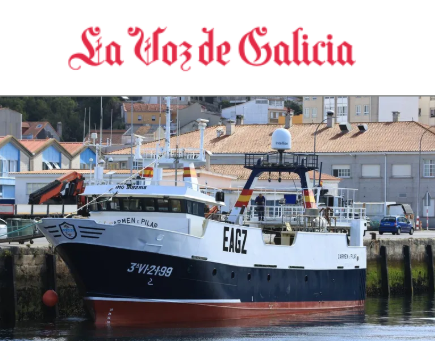 The fisheries agreement between the European Union (EU) and Mauritania is currently the most significant one signed with an African nation—and the most expensive. Brussels pays €60.8 million annually to allow around a hundred EU vessels to fish in those waters; this is in addition to the fees paid by shipowners and the €16.5 million Europe contributes to support sustainable fishing and the country's national fisheries strategy. However, the Mauritanian government now considers this amount insufficient. Disagreements regarding the financial compensation the EU must pay the African nation have stalled negotiations to renew a protocol that expires on November 14.
  SOUTH KOREA
.png)
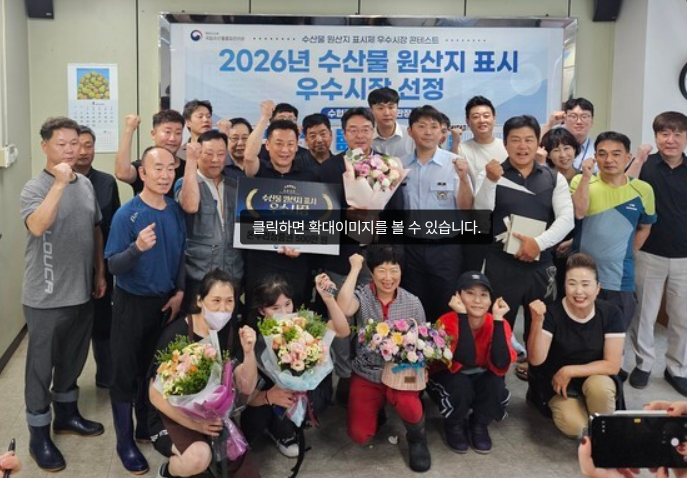 Market ranks among South Korea’s top three for transparent seafood distribution
 INDONESIA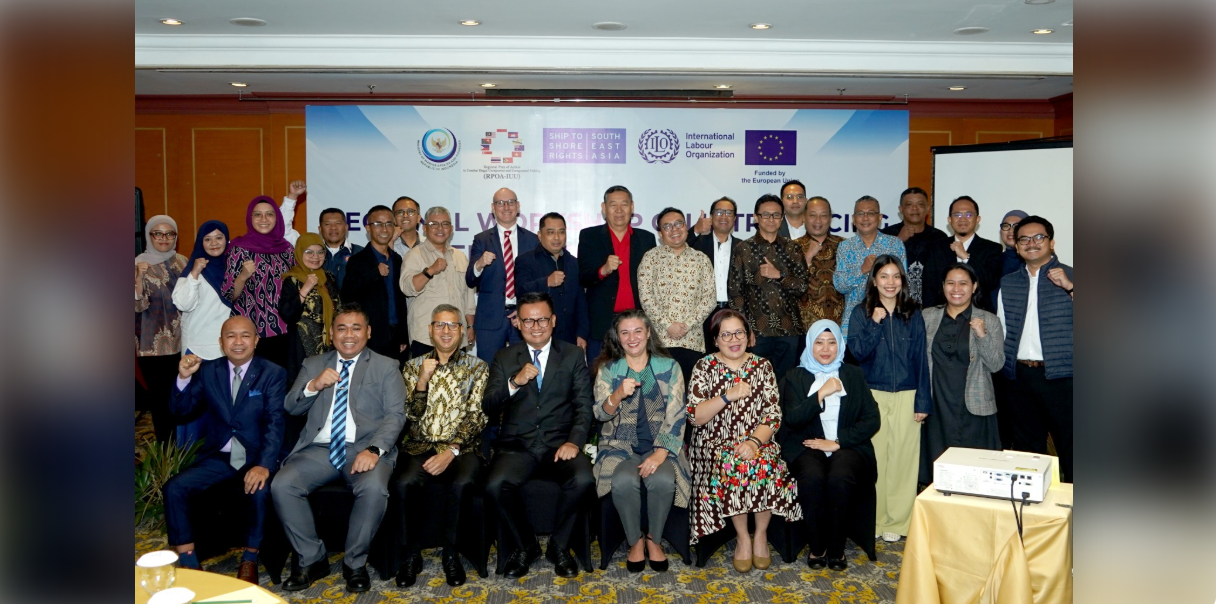
 RUSSIAN FEDERATION
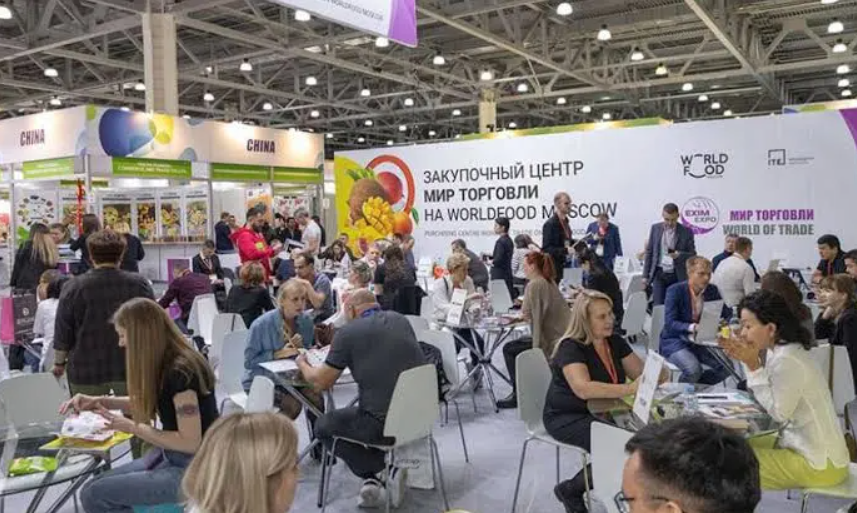 China remains the leading destination as Moscow seeks more value-added exports
 INDIA
INDIA.png)
 SPAIN
SPAIN.png)
 CZECH REPUBLIC
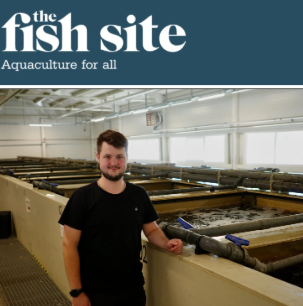 DiamondFish has built a high-tech RAS facility for a species unfamiliar to most European consumers, in one of the continent’s least fish-eating regions.
 NETHERLANDS
.png) ASC and SFP are leading the Aquaculture Action Alliance as it shifts from measurement to action
ASC and SFP are leading the Aquaculture Action Alliance as it shifts from measurement to action LITHUANIA
 MB Pilnas šaukštas becomes the first Lithuanian company to achieve Friend of the Sea certification for an omega-3 product, reinforcing its commitment to responsible sourcing and traceability.
 NEW ZEALAND
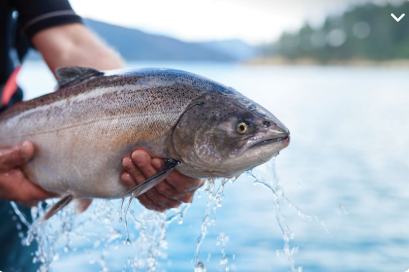 Lower fish mortality and stronger performance boost profitability