Welcome   Sponsored By
Subscribe | Register | Advertise | Newsletter | About us | Contact us


Krill belongs neither to a single company nor to a single country.

Who Will Control the 21st Century's Blue Protein (Part 5 of 5)

WORLDWIDE
Friday, July 24, 2026, 05:00 (GMT + 9)

Fifth installment of a special five-part investigation into the transformation of Antarctic krill (Euphausia superba) into a strategic global industry.

For more than half a century, power in this industry was measured by the capacity to reach the Southern Ocean, capture biomass, and process it before it lost quality. The conclusion of this series shows that this metric is no longer sufficient: the business’s center of gravity is shifting toward technology, science, intellectual property, and access to the end customer.

The history of Antarctic krill (Euphausia superba) began with Soviet expeditions, moved through Norway’s industrial revolution, incorporated the rapid expansion of China, and retained, under new flags and companies, part of the knowledge accumulated by the Soviet Union. The previous four reports tracked that transformation from the sea. The fifth must answer a different question: if so many actors are investing in the resource, which part of the business are they actually trying to control?

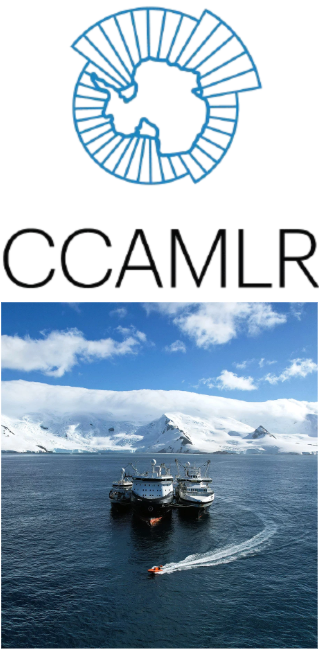
The answer can no longer be reduced to vessels. Harvesting remains indispensable and is subject to regulatory access governed by CCAMLR, but a single ton can end up as aquaculture meal, pet food ingredients, phospholipid-rich oil, or a platform for new health applications. Between these destinations, prices, margins, required investment, and bargaining power change. The future will depend not just on who catches the most, but on who occupies the link where value is created and can defend it without assuming more capital and risk than that margin justifies.

Catching Is No Longer Enough

Krill belongs neither to a single company nor to a single country. Its exploitation takes place within an international conservation system and in areas where fishing concentration, ice availability, and the presence of predators condition any expansion. That reality limits the classic logic of extractive growth: a company can build a more efficient vessel or increase its market share, but it cannot indefinitely base its future on capturing ever-larger volumes.

When raw material is regulated and its commercial availability depends on finding dense swarms at specific times and locations, the safest path to growth consists of elevating the value obtained per ton. The industry no longer competes within a single market. Meal demands scale, cost management, and continuity; human nutrition oil requires quality, stability, and regulatory compliance; differentiated ingredients add research, patents, and clinical evidence. For this reason, two companies with similar catches can build completely different businesses.

It is also why greater integration does not automatically mean a better business. Controlling the entire chain can offer supply security and higher unit revenue, but it forces the financing of vessels, plants, inventories, laboratories, trials, regulation, marketing, and distribution. A specialized producer can earn less per kilogram and still achieve an attractive return if it maintains low costs, consistent specifications, and long-term contracts. The correct question is not who controls more stages, but where each company concentrates its advantage and how much capital it needs to sustain it.

Three Positions in a Non-Linear Chain

The industry is organizing itself around three economic positions. The first belongs to producers of biomass and raw materials, whose success depends on fleet efficiency, factory yield, traceability, and the quality of meal, crude oil, or frozen krill. Companies such as Jeong-Il, Pesca Chile, and several Chinese operators can operate in this space without the need to build an international brand or finance clinical trials.

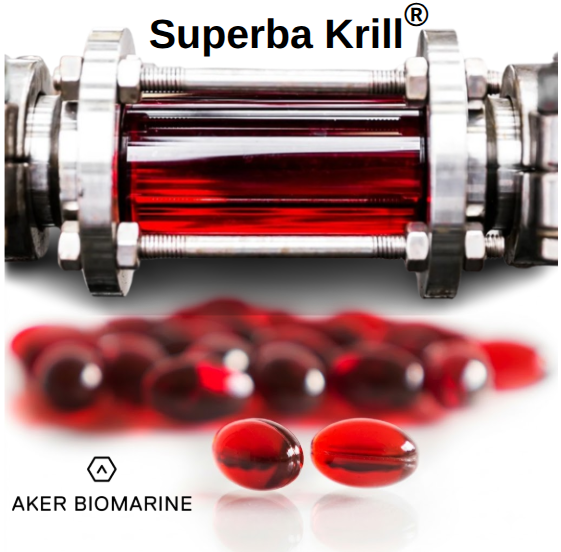
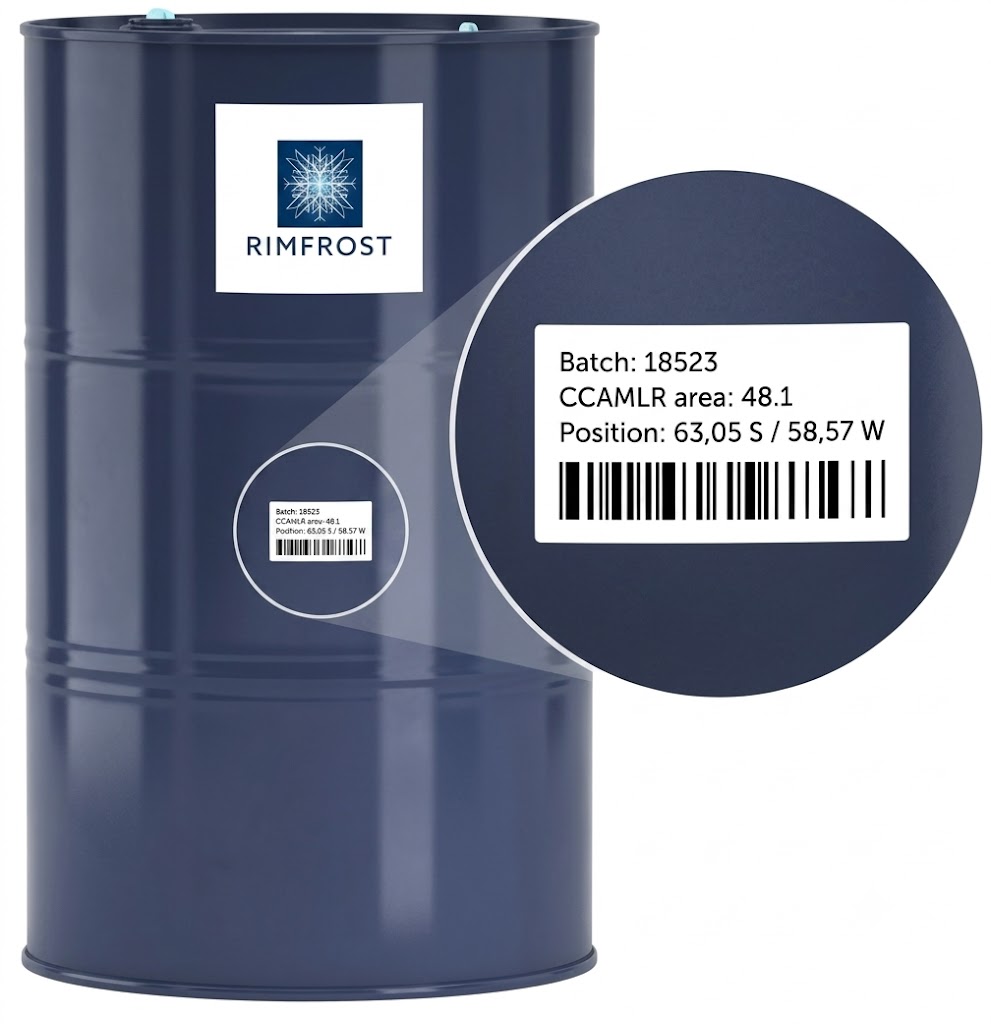
The second position belongs to companies that transform biomass into differentiated ingredients. Here, competition shifts toward extraction processes, hydrolysis, phospholipid concentration, oxidation reduction, protein separation, and intellectual property. Aker BioMarine and Rimfrost represent two distinct strategies within this model: both require a fishing supply, but their ability to charge higher prices depends on what happens after the catch.

The third position is located closer to the market. It includes those who formulate, encapsulate, contract manufacture, develop private labels, or distribute ingredients among human and animal nutrition brands. These companies may not own vessels, yet they control the relationship with the customer who ultimately pays the margin. In a mature chain, customer access can be as strategic as access to the resource.

Aker and Rimfrost: Competing for Knowledge

The reorganization of Aker clearly illustrates where value is shifting. Since September 2024, Aker QRILL Company has concentrated harvesting, primary processing, and ingredients for aquaculture and animal feed, while Aker BioMarine focuses on human health and science-based nutrition. The separation did not break the chain; it distinguished two businesses that require different capabilities, investors, and growth horizons.

Recent results reinforce this interpretation. In the fourth quarter of 2025, Aker BioMarine’s Human Health Ingredients segment increased its revenue by 28%, reaching US$32.7 million, supported by higher volumes and an improved price mix. In the first quarter of 2026, sales of Superba Krill Oil reached US$29.3 million, up 26% year-on-year. The company continues to invest in clinical evidence and next-generation ingredients such as Lysoveta, targeted at brain and eye health. The message is clear: vessels guarantee supply, but growth is sought in applications, science, and price per kilogram.

Rimfrost attempts to capture value through proprietary enzymatic hydrolysis technology and a portfolio oriented toward human nutrition, aquaculture, and pet care. Its plan for a new vessel foresees a factory based on proprietary patents and prepared for multiple market segments. The prolonged patent dispute with Aker over krill oil reached the US system and ended with the invalidation of several claims Aker had used to defend its position. The episode demonstrated that freedom to operate, describe a composition, and sell it in key markets can be as vital as holding a fishing license.


The commercial partnership between Rimfrost and Bioriginal further confirms that a company does not need to integrate every function. Rimfrost controls the raw material and the process; Bioriginal provides channels, formats, and manufacturing capabilities. When an alliance costs less than building a proprietary commercial network, stopping integration at the right point can create more value than extending it out of principle.

Dongwon and China: The Advantage of Keeping Options Open

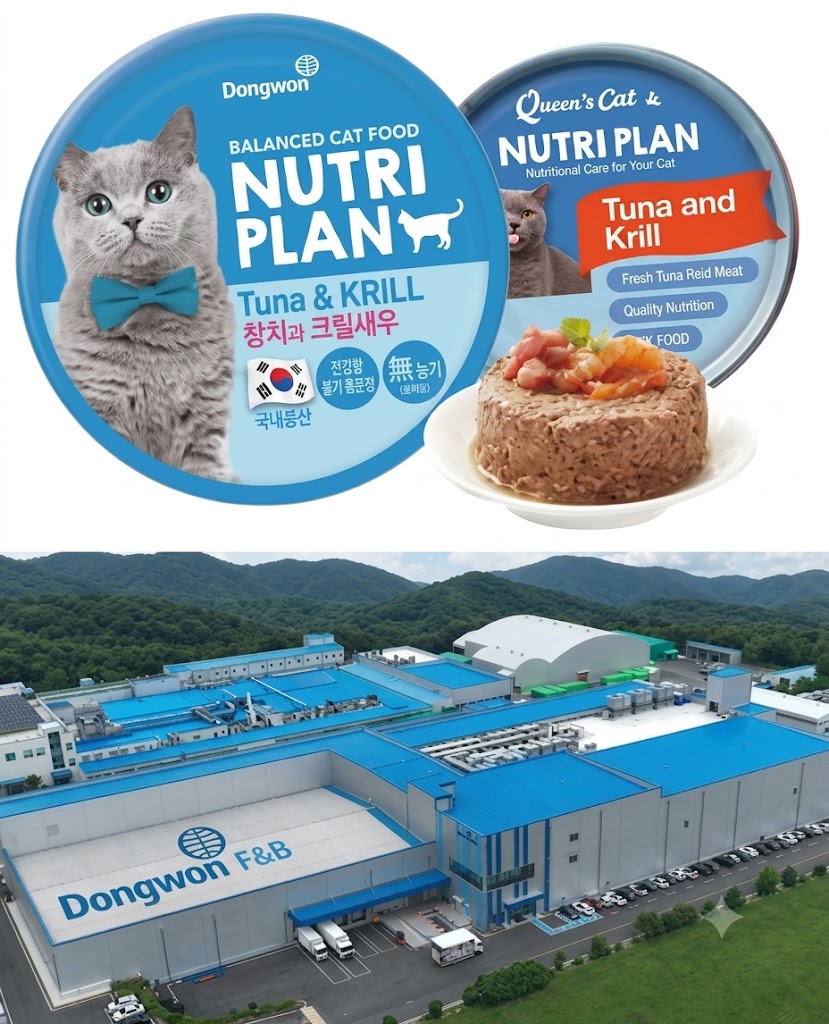
Dongwon Industries appears in krill fishing primarily as a producer and marketer of meal, but it belongs to a group that already integrates fishing, food, logistics, distribution, pet food, and consumer brands. Dongwon F&B also holds an active family of patents on krill oil preparation and composition. There is insufficient public evidence to claim that krill is currently a material driver of its turnover, but the group retains the option to move downstream without building the necessary commercial and food infrastructure from scratch.


PetChill Nutriplan Tuna & Krill. The second plant of South Korea's Dongwon F&B Co. in Jincheon, North Chungcheong Province.

That optionality can be more valuable than premature expansion. Dongwon can continue supplying raw materials while monitoring the evolution of demand, margins, and regulations, activating oil or finished product capabilities when market conditions justify it. Maintaining protected technology and an available chain, without forcing an immediate conversion into a global business, is also a valid strategy.

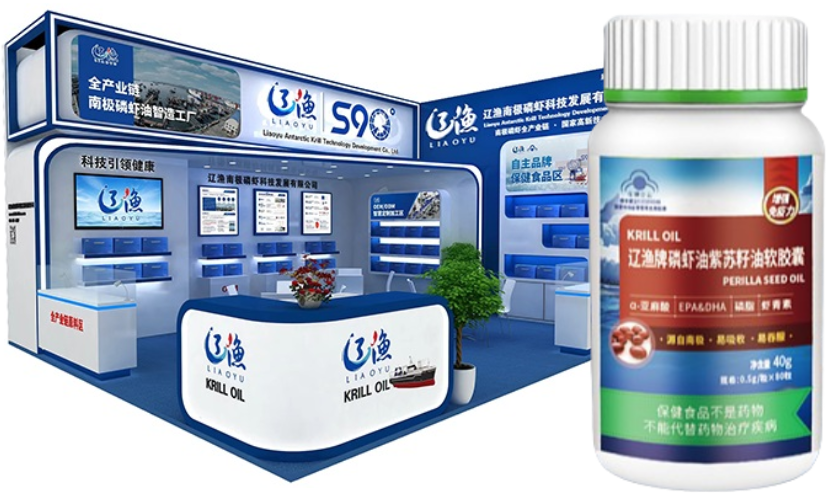
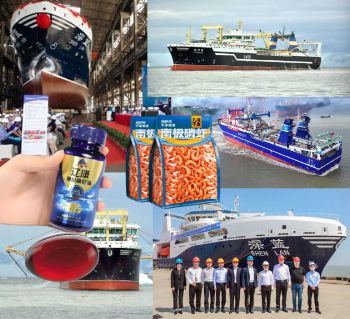
China follows an even more distributed logic. Catching, naval design, processing, research, and future applications are not necessarily concentrated within a single corporation. Provincial fishing companies, public institutes, universities, and processors can share functions that in Norway remain under more visible corporate structures. The result may be less recognizable as a single brand, but it is capable of combining scale, industrial learning, and a massive domestic market for aquaculture, animal nutrition, and functional foods.

Liaoyu Antarctic Krill

Not all of these operators need to become supplement manufacturers. Some may find their optimal position by reducing costs and improving the quality of meal or oil as raw materials for higher-technology companies. Specialization is not an inferior stage: it can be a rational decision when the buyer assumes formulation, regulation, and final commercialization.

Cooke and Bioriginal: Capturing Value Without Fishing

The case of Cooke Inc. and Bioriginal reveals how far power can shift away from the ocean. Bioriginal, a wholly owned subsidiary of Cooke, does not catch krill. It maintains a partnership with Olympic Seafood/Rimfrost to distribute RIMFROST Sublime Krill Oil and participates in the market through formulation, liquid and encapsulated formats, manufacturing, and customer access in human and animal nutrition.

Cooke’s strategy extends far beyond krill. Over a 12-month period, Bioriginal acquired encapsulation capabilities in the United States, ingredient distribution in Japan, pet nutrition in the Netherlands, vegetable oil processing in Germany, and, through the acquisition of POS Biosciences, laboratories, pilot plants, oil concentration, and molecular distillation in Canada. The resulting platform can source, process, formulate, and deliver finished products for proprietary or third-party brands.

This position confers a distinct advantage: Bioriginal can work with krill, but also with fish, algae, salmon, or plant-based oils. The harvester needs to place the biomass it catches; the formulator can choose the raw material that best combines function, price, and availability. Thus, a company without an Antarctic fleet can acquire greater commercial power than some primary producers: it controls the gateway to the customer and possesses alternatives if costs or market perceptions shift.

Science, Rules, and the Outcome

The final frontier will not be purely technological. Krill holds a central position in the Antarctic ecosystem, and any growth depends on preserving regulatory access and public legitimacy. Science fulfills a dual function here: it demonstrates the benefits of an ingredient while supporting the social and political license to continue fishing. A company may possess patents, customers, and capital, but it cannot transform a biomass to which it loses access.

Furthermore, krill does not compete solely against other krill producers. In human nutrition, it faces concentrated fish oils and algal omega-3s; in aquaculture, plant proteins, insects, yeasts, and other functional additives; in pet food, a wide array of premium ingredients. The consumer does not purchase a ton harvested in Antarctica. They purchase a benefit that must be verifiable, available, and economically sound.

Therefore, the answer to the title of this report cannot be a single country or a single company. Aker BioMarine can defend high-value segments through science and proprietary ingredients; Rimfrost, through process engineering and differentiation; Dongwon, through optionality and food integration; specialized producers, through cost efficiency, quality, and reliability; China, through an ecosystem of scale; and Cooke/Bioriginal, through formulation, manufacturing, and commercial access without assuming harvesting risk.

Leadership will belong to those who control a defensible bottleneck and manage it with discipline. For some, it will be biomass; for others, processing technology, patents, regulatory approvals, or customer relationships. The most integrated company will not necessarily be the most profitable, and the one with the most vessels will not necessarily capture the most value.

Series Conclusion

With this fifth installment, the KRILL REPORT comes to a close. The investigation began with the first Soviet expedition, traced Norway's transformation, the rise of China, and the dispersion of the post-Soviet legacy. The journey leads to one clear conclusion: six decades ago, the challenge was finding krill; later, it was catching and processing it. In the 21st century, the strategic advantage lies in converting limited biomass into knowledge, ingredients, and markets without sacrificing the legitimacy required to continue utilizing it. The blue protein will not have a single owner. Its value will be controlled, link by link, by those who best understand where margin is created and how to defend it.

Related News:


🇯🇵 日本語 (Japanese Version)

21世紀のブループロテインを制するのは誰か

ナンキョクオキアミ(Euphausia superba)が世界的な戦略産業へと変貌する過程を追った、5回連載の特別調査レポート最終章。

半世紀以上にわたり、この産業における影響力は、南極海に到達し、生物資源(バイオマス)を獲り、品質が低下する前に処理する能力によって測られてきました。本連載の締めくくりとして明らかになったのは、その基準だけではもはや不十分であるということです。ビジネスの重心は、テクノロジー、科学、知的財産、そして最終顧客へのアクセスへとシフトしています。

ナンキョクオキアミ(Euphausia superba)の歴史はソ連の探検に始まり、ノルウェーの産業革命を経て、中国の急速な拡大を取り込み、新しい国旗や企業のもとでソビエト連邦が蓄積した知識の一部を継承してきました。過去4回のレポートでは、海の上で起きたその変貌を追いました。第5回となる本稿では、別の問いに答える必要があります。これほど多くのプレイヤーがこの資源に投資している中で、彼らが実際に支配しようとしているのはビジネスのどの部分なのか、という問いです。

その答えは、もはや漁船の数だけに還元することはできません。漁獲は引き続き不可欠であり、CCAMLR(南極の海洋生物資源の保存に関する委員会)による規制上のアクセス権に左右されますが、同じ1トンであっても、水産養殖用飼料、ペットフード原材料、リン脂質を豊富に含むオイル、あるいは新たな健康アプリケーションのプラットフォームとなり得ます。これらの用途の違いによって、価格、利益率、必要な投資、そして交渉力が大きく変わります。将来を決めるのは、誰が最も多く漁獲するかだけではなく、誰が価値の創造されるポジションを占め、その利益率に見合う以上の資本とリスクを負うことなくそれを防衛できるかです。

漁獲だけでは不十分となった時代

オキアミは特定の単一企業や国家の所有物ではありません。その利用は国際的な保全システムのもとで展開されており、漁獲の集中、氷の状況、捕食者の存在といった要素が拡大を制約するエリアで行われています。この現実は、従来の採取型成長のロジックに限界を突きつけています。企業はより効率的な漁船を建造したりシェアを拡大したりすることはできても、捕獲量を無制限に増やし続けることに将来を依存することはできません。

原材料が規制され、商業的な入手可能性が特定の時間や場所で密度の高い群れを発見できるかどうかに依存する場合、最も確実な成長経路は1トンあたりの獲得価値を高めることです。この産業はもはや単一の市場内では競争していません。飼料には規模、コスト、連続性が求められ、ヒト向け栄養オイルには品質、安定性、規制への適合が求められます。差別化された原材料には研究、特許、臨床エビデンスが加わります。そのため、漁獲量が同等の2つの企業であっても、全く異なるビジネスを構築することができるのです。

また、統合を進めることが自動的に優良なビジネスを意味しない理由もここにあります。バリューチェーン全体をコントロールすることは、供給の安定性と高い単位収益をもたらす可能性がありますが、漁船、工場、在庫、研究施設、臨床試験、規制対応、マーケティング、流通への資金投入を強制されます。特化型の生産者は、低コスト、安定した仕様、長期的契約を維持できれば、1キログラムあたりの単価が低くても魅力的なリターンを得ることができます。正しい問いは「誰がより多くの段階を支配しているか」ではなく、「各企業がどこに自らの優位性を集中させ、それを維持するためにどれだけの資本を必要とするか」です。

非線形となったバリューチェーンにおける3つのポジション

現在、この産業は3つの経済的ポジションを中心に再編されつつあります。第1のポジションは、バイオマスおよび原材料の生産者であり、その成功は艦隊の効率、工場の歩留まり、トレーサビリティ、そして粉末(ミール)、原油、冷凍オキアミの品質に依存します。この領域では、Jeong-Il(正一学術/ジョンイル)、Pesca Chile、および複数の中国事業者が、国際的なブランドの構築や臨床試験への資金投入を行わずに事業を展開できます。

第2のポジションは、バイオマスを差別化された原材料へと変換する企業です。ここでは、抽出プロセス、加水分解、リン脂質の濃縮、酸化の抑制、タンパク質分離、知的財産へと競合の軸が移動します。Aker BioMarineRimfrostは、このモデル内における2つの異なる戦略を象徴しています。両社とも漁獲による供給を必要としますが、より高い価格を設定できる能力は、捕獲の後に何が行われるかに依存しています。

第3のポジションは、より市場に近い場所に位置します。ヒト向けおよび動物向け栄養ブランドに対して、処方、カプセル化、受託製造(OEM)、プライベートブランド開発、または原材料の流通を行うプレイヤーが含まれます。これらの企業は漁船を所有していない場合もありますが、最終的にマージンを支払う顧客との関係を保持しています。成熟したバリューチェーンにおいては、顧客へのアクセス権は資源へのアクセス権と同等に戦略的な意味を持ちます。

AkerとRimfrost:知識をめぐる競争

Akerの再編は、価値がどこへ移動しているかを明確に示しています。2024年9月以降、Aker QRILL Companyは漁獲、一次加工、水産養殖および動物飼料向け原材料に集中し、Aker BioMarineはヒトの健康と科学的根拠に基づく栄養分野に注力しています。この分離はバリューチェーンを断絶させたのではなく、異なる能力、投資家、成長の枠組みを必要とする2つのビジネスを明確に区別したのです。

直近の業績はこの見方を裏付けています。2025年第4四半期において、Aker BioMarineのHuman Health Ingredients(ヒト健康原材料)部門は、販売量の増加と価格ミクスチャーの改善により、売上高が28%増の3,270万米ドルに達しました。2026年第1四半期には、Superba Krill Oilの売上高が前年同期比26%増の2,930万米ドルを記録しました。同社は臨床エビデンスや、脳および目の健康を標的としたLysovetaなどの次世代原材料への投資を続けています。メッセージは明確です。船は供給を保証しますが、成長はアプリケーション、科学、そして1キログラムあたりの単価に求められているのです。

Rimfrostは、独自の酵素加水分解技術と、ヒト向け栄養、養殖、ペット向けに特化したポートフォリオを通じて価値の獲得を試みています。同社の新造船計画では、自社特許に基づく工場を備え、複数の市場セグメントに対応できるよう準備されています。オキアミオイルの特許をめぐるAkerとの長年の紛争は米国の法制度に持ち込まれ、Akerが自らのポジションを防衛するために使用していた複数の請求項が無効化されるという結果になりました。この出来事は、事業を実施する自由(Freedom to Operate)、組成を定義する権利、そして主要市場でそれを販売する権利が、漁業ライセンスを保有することと同等に重要であり得ることを証明しました。

RimfrostBioriginalの商業的提携は、企業がすべての機能を自社で統合する必要はないことを改めて証明しています。Rimfrostが原材料とプロセスを管理し、Bioriginalが販路、フォーマット、製造能力を提供します。提携に必要なコストが自前の商業ネットワークを構築するよりも低い場合、適切なポイントで統合を止めることが、主義主張だけで無理に拡大するよりも多くの価値を生み出すことがあります。

Dongwonと中国:選択肢を保持する強み

Dongwon Industries(東遠産業)は、オキアミ漁業においては主に飼料用ミールの生産・販売者として登場しますが、同社は漁業、食品、物流、流通、ペットフード、消費財ブランドをすでに統合しているグループに属しています。Dongwon F&B(東遠F&B)もまた、オキアミオイルの調製および組成に関する有効な特許ファミリーを保有しています。現在オキアミが同社の売上高の主要な原動力であると断定するに足る公開情報は多くありませんが、同グループは必要な商業・食品インフラをゼロから構築することなく、川下へと進出する選択肢を保持しています。

このような選択肢の保持(オプショナリティ)は、時期尚早な事業拡大よりも価値が高い場合があります。Dongwonは、需要、マージン、規制の動向を観察しながら原材料の供給を続け、市場の条件が整った時点でオイルや最終製品の機能を有効化することができます。保護された技術と利用可能なバリューチェーンを維持しつつ、それを即座にグローバルビジネスへ変換することを強制しない姿勢も、また一つの戦略です。

中国は、さらに分散されたロジックに従っています。漁獲、造船設計、加工、研究、そして将来のアプリケーションは、必ずしも単一の企業内に集中していません。地方の漁業会社、公的研究所、大学、加工業者が、ノルウェーではより可視化された企業構造の下にある機能を分担しています。その結果、単一のブランドとしては認識されにくいものの、スケールメリット、産業上の技術蓄積、そして水産養殖、動物栄養、機能性食品のための巨大な国内市場を組み合わせる能力を備えています。

これらの事業者のすべてがサプリメントメーカーになる必要はありません。一部の事業者にとっては、高機能化を図る他社向けの原材料として、ミールやオイルのコストを削減し品質を向上させることが最適なポジションとなり得ます。専門化は決して低い段階を意味するのではなく、買い手側が処方、規制対応、最終販売を担う場合には合理的な判断となります。

CookeとBioriginal:捕獲を行わずに価値を獲得する

Cooke Inc.Bioriginalのケースは、影響力がどれほど海洋の外側へと移動し得るかを示しています。Cookeの完全子会社であるBioriginalは、オキアミの漁獲を行っていません。同社はOlympic Seafood / Rimfrostと提携してRIMFROST Sublime Krill Oilを流通させており、処方、液体およびカプセルフォーマット、製造、そしてヒトおよび動物向け栄養分野の顧客へのアクセスを通じて市場に参加しています。

Cookeの戦略はオキアミだけに留まりません。12ヶ月の間に、Bioriginal米国でのカプセル化機能、日本での原材料流通、オランダでのペット栄養、ドイツでの植物油加工を獲得し、さらにPOS Biosciencesの買収を通じて、カナダにおけるラボ、パイロットプラント、オイル濃縮、分子蒸留設備を手に入れました。構築されたプラットフォームは、自社ブランドまたはサードパーティ向けに原材料の調達、加工、処方、最終製品の納品までを行うことができます。

このポジションは独自の強みをもたらします。Bioriginalはオキアミを扱うこともできれば、魚油、藻類、サーモン、あるいは植物由来のオイルを扱うこともできます。漁獲事業者は獲ったバイオマスを販売する必要がありますが、処方事業者は機能、価格、入手可能性を最も良く組み合わせられる原材料を選択できます。そのため、南極艦隊を持たない企業であっても、一部の一次生産者以上の商業的影響力を獲得できるのです。顧客への入口をコントロールし、コストや市場の認識が変化した際にも代替手段を保持しているからです。

科学、ルール、そして結論

最後のフロンティアは、単なる技術的なものにとどまりません。オキアミは南極生態系において中心的な位置を占めており、いかなる成長も規制上のアクセス権と社会的正当性の維持に依存しています。ここにおいて科学は二重の役割を果たします。成分の有用性を証明すると同時に、漁業を継続するための社会的・政治的ライセンスを支える役割です。企業が特許、顧客、資本を有していたとしても、アクセス権を失ったバイオマスを価値に換えることはできません。

さらに、オキアミは他のオキアミ生産者とだけ競合しているわけではありません。ヒト向け栄養分野では高濃縮魚油や藻類由来オメガ3(omega-3)と対峙し、水産養殖分野では植物タンパク質、昆虫、酵母、その他の機能性添加物と競い、ペットフード分野では多様なプレミアム原材料と競合しています。消費者が見ているのは南極で獲れた1トンの数値ではなく、検証可能であり、手に入り、経済的に理にかなったベネフィットそのものです。

したがって、本レポートの問いに対する答えは、単一の国家や特定の1社に絞ることはできません。Aker BioMarineは科学と独自成分によって高付加価値セグメントを防衛し、Rimfrostはプロセス技術と差別化によって、Dongwonは選択肢の保持と食品統合によって、専門生産者はコスト、品質、信頼性によって、China(中国)はスケールによるエコシステムによって、そしてCooke / Bioriginalは漁獲リスクを負わずに処方、製造、商業アクセスによってそれぞれのポジションを確立します。

主導権を握るのは、防衛可能なボトルネックをコントロールし、それを規律ある形で運用できる事業者です。ある事業者にとってはそれがバイオマスであり、他の事業者にとっては加工技術、特許、規制承認、あるいは顧客関係となります。最も統合された企業が必ずしも最も高い収益性を誇るわけではなく、最も多くの船を保有する企業が必ずしも最大の価値を獲得するわけではありません。

連載の総括

この第5回をもって、KRILL REPORTは完結します。本調査はソ連の最初の探検に始まり、ノルウェーの変貌、中国の台頭、そしてポストソ連の遺産の拡散を辿ってきました。この道のりは1つの結論へと導かれます。60年前、課題はオキアミを見つけることでした。その後は、それを捕獲し加工することでした。21世紀における戦略的優位性は、継続利用に必要な正当性を失うことなく、限られたバイオマスを知識、成分、市場へと変換する能力にあります。ブループロテインに唯一の所有者は存在しません。その価値は、マージンがどこで生まれ、それをどのように防衛すべきかを最も深く理解している者たちによって、バリューチェーンの各段階でコントロールされていくのです。


🇨🇳 简体中文 (Simplified Chinese Version)

21世纪的蓝色蛋白质将由谁掌控

关于南极磷虾(Euphausia superba)向全球战略性产业转型为期五篇的特别调查报告的第五篇暨最终篇。

半个多世纪以来,该产业的实力一直是以深入南南冰洋、捕获生物质并在其品质下降前完成加工的能力来衡量的。本系列报告的收官之作表明,这一标准已不再足够:该业务的重心正在向技术、科学、知识产权以及终端客户的接入能力转移。

南极磷虾(Euphausia superba)的历史始于苏联的远洋考察,历经挪威的工业革命,融入了中国的快速扩张,并在新的国旗和企业架构下保留了苏维埃社会主义共和国联盟所积累的部分知识。前篇报告从海洋的角度记录了这一转变。第篇报告则必须回答一个不同的问题:如果有如此多的参与者在对该资源进行投资,他们究竟试图掌控该业务的哪一部分?

答案已不能仅仅归结为船队。捕捞依然不可或缺,并受制于CCAMLR(南极海洋生物资源养护委员会)的监管准入,但同等数量的1吨磷虾,既可以作为水产养殖饲料、宠物食品原料,也可以作为富含磷脂的油脂,或是新型健康应用平台的原料。在这些不同的去向之间,价格、利润率、所需投资额以及议价能力存在巨大差异。未来不仅取决于谁捕捞得最多,更取决于谁能占据价值创造的环节,并在无需承担超出该利润率所能承受的资本和风险的前提下守住这一阵地。

仅靠捕捞已不再足够

磷虾既不属于单一企业,也不属于单一国家。对它的开发是在国际养护体系内进行的,且受限于捕捞集中度、海冰状况以及捕食者分布等客观条件。这一现实限制了传统粗放型资源提取增长的逻辑:一家公司可以建造效率更高的船只或提升市场份额,但不能无限期地将未来建立在捕捞越来越大数量的基础上。

当原料受到监管且其商业获取依赖于在特定时间和地点寻找到高密度的虾群时,最稳妥的增长路径在于提高每1吨资源所获得的价值。该产业已不再是在单一市场内竞争。粉肉级产品(饲料)要求规模、成本控制与持续性;人类营养级磷虾油要求品质、稳定性与监管合规;而差异化的高端原料则需要科研、专利及临床证据的支持。正因如此,家捕捞量相当的公司可以构建出截然不同的业务模式。

这也解释了为什么更高程度的产业链整合并不自动意味着更好的业务。控制全产业链固然能提供供应安全性和更高的单位收入,但也强制企业去资助船队、工厂、库存、实验室、临床试验、监管审批、市场营销及分销通道。而一家专业化生产商,只要能保持低成本、稳定的产品规格和长期的供应合同,即使每1公斤售价较低,依然能获得理想的回报。正确的提问不是谁控制了更多的环节,而是各家公司将自身优势集中在何处,以及需要多少资本来维持这种优势。

非线性产业链中的三种定位

该产业目前正围绕着种经济定位进行重组。第一种定位属于生物质与基础原料生产商,其成功取决于船队效率、出厂良品率、可追溯性以及磷虾粉、原油或冻磷虾的质量。在该领域,像Jeong-Il(正一)、Pesca Chile以及多家中国作业公司可以在无需打造国际品牌或资助临床试验的情况下开展运营。

第二种定位属于将生物质转化为差异化原料的企业。在此,竞争转向了提取工艺、酶解、磷脂浓缩、抗氧化控制、蛋白分离以及知识产权。Aker BioMarine(阿克海洋生物)与Rimfrost代表了该模式下的种不同策略:两者都需要稳定的捕捞供应,但它们获取溢价的能力取决于捕捞之后所发生的一切。

第三种定位则更贴近终端市场。它涵盖了那些进行配方研发、胶囊填充、代工生产(OEM)、开发自有品牌(Private Label)或在人类与动物营养品牌之间分销原料的公司。这些公司可能不拥有任何捕捞船队,却掌控着最终支付利润的客户关系。在成熟的产业链中,客户接入能力与资源获取能力具有同等重要的战略意义。

阿克与Rimfrost:围绕知识与技术的竞争

Aker的重组清晰地展示了价值转移的方向。自2024年9月起,Aker QRILL Company集中负责捕捞、初加工以及水产养殖和动物饲料原料,而Aker BioMarine则专注于人类健康与基于科学的营养业务。这种拆分并未割裂产业链,而是明确区分了需要不同能力、投资人和增长前景的类业务。

近期的业绩巩固了这一判断。在2025年第四季度Aker BioMarine的人类健康原料部门收入增长了28%,达到3,270万美元,这得益于销售量的提升和更优的价格组合。在2026年第一季度Superba Krill Oil(维宝磷虾油)的销售额达到2,930万美元,同比增长26%。该公司持续投资于临床证据以及面向脑部和眼部健康的新一代原料(如Lysoveta)。其传递的信息非常明确:船队保障了原料供应,但增长则源于应用研发、科学验证和每1公斤的产品单价。

Rimfrost则试图通过自有的酶解专利技术以及面向人类营养、水产养殖和宠物护理的产品组合来捕获价值。其建造新船的计划预设了一个基于自研专利、能服务于多个市场板块的船载工厂。其与Aker围绕磷虾油专利展开的长期诉讼延伸至美国司法体系,并最终以Aker用于维护其市场地位的多项专利权利要求被判无效而告终。这一事件表明,自由运营权(Freedom to Operate)、定义产品组成成分并将其在核心市场销售的权利,与拥有捕捞许可证同样重要。

RimfrostBioriginal之间的商业联盟进一步证实,企业无需自行整合每一个环节。Rimfrost控制原料与生产工艺;Bioriginal则提供渠道、剂型及代工制造能力。当组建联盟的成本低于自建商业网络的成本时,在适当的节点停止盲目整合,比出于原则性执念去无限延伸产业链能创造更大的价值。

东远与中国:保持策略灵活性的优势

Dongwon Industries(东远产业)在磷虾捕捞领域主要以磷虾粉生产商和销售商的身份出现,但它隶属于一个已整合了捕捞、食品、物流、分销、宠物食品及消费品牌的庞大集团。Dongwon F&B(东远F&B)还拥有关于磷虾油提取与配方的活性专利族。虽然目前尚无充分的公开数据表明磷虾是其营业额的核心驱动力,但该集团保留了无需从零构建所需商业与食品基础设施即可向下游推进的战略选项。

这种战略选择权(Optionality)可能比过早的业务扩张更有价值。Dongwon可以在观察需求、利润率和监管演变的同时,继续供应基础原料,并在市场条件成熟时激活磷虾油或终端成品的能力。维持受保护的技术和随时可用的产业链,而不强求立即将其转化为全球性业务,同样是一种明智的战略。

中国则遵循着一种更加分散的逻辑。捕捞、船舶设计、加工、科研及未来应用并不一定集中在单一的企业内部。地方性远洋渔业公司、国家级科研院所、高校以及加工企业分担了在挪威归属于高度显性化企业架构下的各项功能。其结果可能在单一品牌维度上不那么突出,但却具备将产业规模、技术积累以及面向水产养殖、动物营养和功能性食品的庞大本土市场相结合的综合能力。

并不是所有这些作业者都需要转型为膳食补充剂制造商。对于某些企业而言,降低成本并提高作为高技术企业原料的磷虾粉或磷虾油的品质,就是其最佳定位。专业化分工绝非低级阶段:当买方承担了配方设计、合规审查及终端营销时,专业化是一种高度理性的选择。

Cooke与Bioriginal:无需捕捞即可捕获价值

Cooke Inc.Bioriginal的案例揭示了产业主导权可以向海洋之外转移到何种程度。作为Cooke的全资子公司,Bioriginal并不直接捕捞磷虾。它与Olympic Seafood / Rimfrost保持合作分销RIMFROST Sublime Krill Oil,并通过配方研发、液体与胶囊剂型加工、制造能力以及深入人类与动物营养领域的客户网络参与市场竞争。

Cooke的战略布局远不止于磷虾。在12个月的时间内,Bioriginal先后获取了美国的胶囊封装能力、日本的原料分销网络、荷兰的宠物营养业务、德国的植物油加工厂,并通过收购POS Biosciences,取得了位于加拿大的实验室、中试车间、油脂浓缩及分子蒸馏设备。由此构建的综合平台可以为自有品牌或第三方品牌提供原料采购、加工、配方研发及成品交付的全套服务。

这一定位赋予了其独特的竞争优势:Bioriginal可以使用磷虾,但也可以使用鱼油、藻类、三文鱼油或植物油。捕捞商必须为其捕获的生物质寻找销路;而配方商则可以选择将功能、价格和供应稳定性结合得最好的原料。因此,一家没有南极船队的机构可以获得比某些初级生产商更高的商业主导权:它控制着通往客户的入口,并且在成本或市场认知发生变化时拥有充足的可替代方案。

科学、规则与终局

最后的边界将不仅限于技术层面。磷虾在南极生态系统中占据着核心地位,任何业务增长都取决于能否维持监管准入与公众合法性。科学在此发挥着双重作用:它既能证实某种功效成分的价值,又能为继续从事捕捞提供社会与政治层面合法履约的许可。一家企业即使拥有专利、客户和资本,一旦失去对生物质资源的获取权,也无法将其转化为经济价值。

此外,磷虾并不仅仅与其他磷虾生产商竞争。在人类营养领域,它面临着高浓缩鱼油和藻类omega-3(欧米伽-3)的竞争;水产养殖领域,面对着植物蛋白、昆虫蛋白、酵母及其他功能性添加剂;在宠物食品领域,则面对着广泛的高级原料选择。消费者购买的绝不是在南极捕获的某1吨数字,而是购买一种可验证、可获取且经济合理的健康益处。

因此,对本报告标题问题的回答,绝不可能指向单一的国家或单一的公司。Aker BioMarine可以通过科学与专利原料巩固高价值板块;Rimfrost可以通过工艺创新与差异化确立优势;Dongwon可以通过战略选择权与食品产业链整合稳扎稳打;专业化生产商可以通过成本控制、品质与可靠性立足;中国可以通过规模化生态体系发力;而Cooke / Bioriginal则可以通过配方、制造与商业渠道切入,同时完全规避前端捕捞的风险。

未来的行业领导者将属于那些能够控制可防御的瓶颈环节并能以严谨纪律加以运营的参与者。对某些企业而言,瓶颈是生物质资源;对另一些企业而言,则是加工工艺、专利、监管批准或客户关系。整合度最高的企业并不一定最盈利,而拥有最多船只的企业也不一定能捕获最大的价值。

专题结语


随着第篇报告的发布,KRILL REPORT(磷虾报告)正式收官。本项调查始于苏联的首次远航考察,追踪了挪威的产业变革、中国的崛起以及后苏联遗产的扩散。这段历程导出一个明确的结论:60年前,挑战在于寻找磷虾;随后,挑战在于捕获与加工;而在21世纪,竞争优势在于将有限的生物质转化为知识、高端原料与市场,同时不失去继续利用该资源所需的合法性。蓝色蛋白质不会有唯一的掌控者。它的价值将被那些最理解利润何以产生以及如何捍卫利润的参与者,在产业链的各个环节上予以精准掌控。

[email protected]
www.seafood.media


 Print


Click to know how to advertise in FIS
MORE NEWS
China
Jul 24, 04:00 (GMT + 9):
Shenzhen Accelerates Ultra-Low Temperature Tuna Corridor with 1,100-Ton Discharge
Russian Federation
Jul 24, 01:50 (GMT + 9):
IN BRIEF - Russia's new vessel, the Marlin, will catch cod, haddock, and halibut
Canada
Jul 24, 01:40 (GMT + 9):
Cooke Accelerates Transformation from Seafood to High-Value Nutrition and Ingredients
Japan
Jul 24, 00:10 (GMT + 9):
IN BRIEF - Japan Ruling LDP Urges Govt to Press Pacific Bluefin Quota Talks
United Kingdom
Jul 24, 00:10 (GMT + 9):
Good marks of herring as the Scottish fishery begins to gather pace
China
Jul 24, 00:10 (GMT + 9):
Aquaculture sustains growth in Chinese aquatic production in the first half of the year
South Korea
Jul 24, 00:10 (GMT + 9):
Closure of Peruvian Jumbo Squid Fishery Threatens Supply Chain Core Korea Had Multiplied in 2026
Worldwide
Jul 24, 00:10 (GMT + 9):
Structural Crisis in Fishmeal and Fish Oil: Market Experiences Unprecedented Shock While Functional Insect Proteins Emerge
China
Jul 24, 00:00 (GMT + 9):
Other Media | La Voz de Galicia: Conservas Albo ends its family-run era as Jesús Albo leaves the Chinese-owned group
Spain
Jul 24, 00:00 (GMT + 9):
Other Media | The Fish Site: Nueva Pescanova withdraws Las Palmas octopus farm plan
European Union
Jul 24, 00:00 (GMT + 9):
Other Media | SalmonBusiness: Tariffs: EU salmon processors gain advantage over Norway and Chile
Norway
Jul 24, 00:00 (GMT + 9):
Other Media | fishfarmingexpert: Norwegian salmon spot price nudged up again last week
Worldwide
Jul 23, 05:10 (GMT + 9):
The Invisible Legacy of the Soviet Union: Companies, Fleets, and Assets That Survived the Collapse of an Empire (Part 4 of 5)
Japan
Jul 23, 05:00 (GMT + 9):
Tuna Sales Generate JPY 6,575 Million (US$ 41.6 Million) in Tokyo as Year-on-Year Volume Drops


Lenguaje
FEATURED EVENTS
  
TOP STORIES
Who Will Control the 21st Century's Blue Protein (Part 5 of 5)
Worldwide Fifth installment of a special five-part investigation into the transformation of Antarctic krill (Euphausia superba) into a strategic global industry. For more than half a century, power in this i...
The Invisible Legacy of the Soviet Union: Companies, Fleets, and Assets That Survived the Collapse of an Empire (Part 4 of 5)
Worldwide Fourth installment of a five-report special investigation into the transformation of Antarctic krill into a global strategic industry When the Soviet Union ceased to exist in December 1991, it was ...
Tuna Sales Generate JPY 6,575 Million (US$ 41.6 Million) in Tokyo as Year-on-Year Volume Drops
Japan The Tokyo wholesale market received 16% less tuna than in June 2025, but total revenue increased by 9.6%. Bluefin tuna (Thunnus thynnus) reinforced its commercial value, bigeye (Thunnus obesus) and ye...
China: The Silent Construction of the Second Antarctic Krill Giant (Part 3 of 5)
Worldwide China is building an integrated industrial system, combining naval capacity, multi-product factory vessels, and domestic markets to establish a second major pole in the Antarctic krill fishery. For m...
 

Umios Corporation  (formerly Maruha Nichiro Corporation)
Nichirei Corporation - Headquarters
Pesquera El Golfo S.A.
Ventisqueros - Productos del Mar Ventisqueros S.A
Wärtsilä Corporation - Wartsila Group Headquarters
ITOCHU Corporation - Headquarters
BAADER - Nordischer Maschinenbau Rud. Baader GmbH+Co.KG (Head Office)
Inmarsat plc - Global Headquarters
Marks & Spencer
Tesco PLC (Supermarket) - Headquarters
Sea Harvest Corporation (PTY) Ltd. - Group Headquarters
I&J - Irvin & Johnson Holding Company (Pty) Ltd.
AquaChile S.A. - Group Headquarters
Pesquera San Jose S.A.
Nutreco N.V. - Head Office
CNFC China National Fisheries Corporation - Group Headquarters
W. van der Zwan & Zn. B.V.
SMMI - Sunderland Marine Mutual Insurance Co., Ltd. - Headquarters
Icicle Seafoods, Inc
Starkist Seafood Co. - Headquearters
Trident Seafoods Corp.
American Seafoods Group LLC - Head Office
Marel - Group Headquarters
SalMar ASA - Group Headquarters
Sajo Industries Co., Ltd
Hansung Enterprise Co.,Ltd.
BIM - Irish Sea Fisheries Board (An Bord Iascaigh Mhara)
CEFAS - Centre for Environment, Fisheries & Aquaculture Science
COPEINCA ASA - Corporacion Pesquera Inca S.A.C.
Chun Cheng Fishery Enterprise Pte Ltd.
VASEP - Vietnam Association of Seafood Exporters & Producers
Gomes da Costa
Furuno Electric Co., Ltd. (Headquarters)
NISSUI - Nippon Suisan Kaisha, Ltd. - Group Headquarters
FAO - Food and Agriculture Organization - Fisheries and Aquaculture Department (Headquarter)
Hagoromo Foods Co., Ltd.
Koden Electronics Co., Ltd. (Headquarters)
A.P. Møller - Maersk A/S - Headquarters
BVQI - Bureau Veritas Quality International (Head Office)
UPS - United Parcel Service, Inc. - Headquarters
Brim ehf (formerly HB Grandi Ltd) - Headquarters
Hamburg Süd Group - (Headquearters)
Armadora Pereira S.A. - Grupo Pereira Headquarters
Costa Meeresspezialitäten GmbH & Co. KG
NOAA - National Oceanic and Atmospheric Administration (Headquarters)
Mowi ASA (formerly Marine Harvest ASA) - Headquarters
Marubeni Europe Plc -UK-
Findus Ltd
Icom Inc. (Headquarter)
WWF Centroamerica
Oceana Group Limited
The David and Lucile Packard Foundation
Ajinomoto Co., Inc. - Headquarters
Friosur S.A. - Headquarters
Cargill, Incorporated - Global Headquarters
Benihana Inc.
Leardini Pescados Ltda
CJ Corporation  - Group Headquarters
Greenpeace International - The Netherlands | Headquarters
David Suzuki Foundation
Fisheries and Oceans Canada -Communications Branch-
Mitsui & Co.,Ltd - Headquarters
NOREBO Group (former Ocean Trawlers Group)
Natori Co., Ltd.
Carrefour Supermarket - Headquarters
FedEx Corporation - Headquarters
Cooke Aquaculture Inc. - Group Headquarters
AKBM - Aker BioMarine ASA
Seafood Choices Alliance -Headquarter-
Austevoll Seafood ASA
Walmart | Wal-Mart Stores, Inc. (Supermarket) - Headquarters
New Japan Radio Co.Ltd (JRC) -Head Office-
Gulfstream JSC
Marine Stewardship Council - MSC Worldwide Headquarters
Royal Dutch Shell plc (Headquarter)
Genki Sushi Co.,Ltd
Iceland Pelagic ehf
AXA Assistance Argentina S.A.
Caterpillar Inc. - Headquarters
Tiger Brands Limited
SeaChoice
National Geographic Society
AmazonFresh, LLC - AmazonFresh

Copyright 1995 - 2026 Seafood Media Group Ltd.| All Rights Reserved.   DISCLAIMER