|
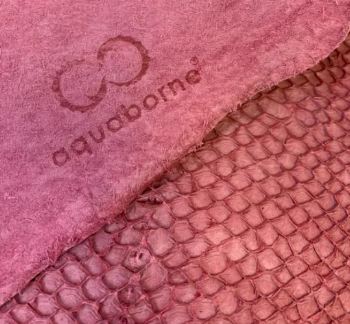
Aquaborne is using innovative eco-safe tanning processes to convert raw fish-skins into high-valued leather
California Fish Leather Company Joins Great Lakes Initiative to Fully Use Each Fish
 UNITED STATES
Friday, July 18, 2025, 05:00 (GMT + 9)
Aquaborne becomes 43rd signatory to the 100% Great Lakes Fish Pledge, advancing circular design through fish leather innovation
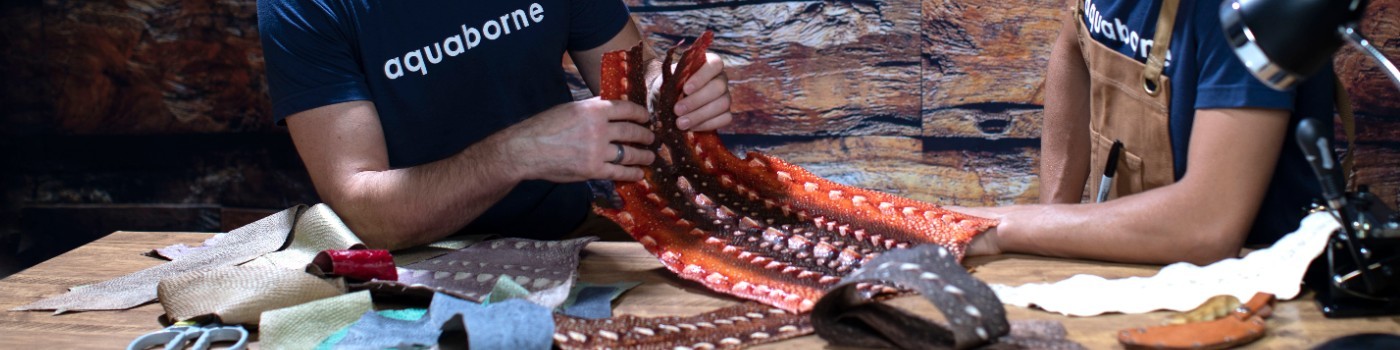
Photo: Aquaborne
(Sacramento, CA)—Aquaborne, an industrial fish leather producer based in California, has signed on to the 100% Great Lakes Fish Pledge—becoming the 43rd company to join a growing binational movement to ensure that every part of each fish caught, raised, or processed in or from the Great Lakes region is fully used and not wasted.
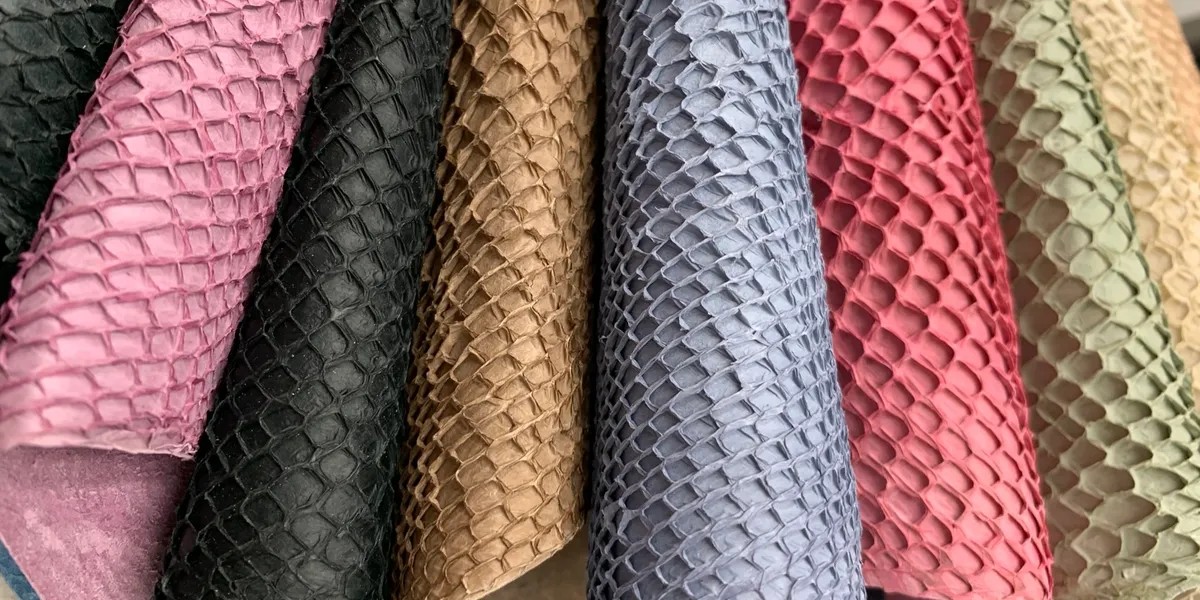
Photo: Aquaborne
Aquaborne’s proprietary tanning process transforms fish skins—typically discarded during fillet processing—into durable, high-quality leather. By sourcing skins from Great Lakes fish processors, the company is turning waste into a resource and bringing a valuable new market to the region’s fisheries.
 As part of the pledge, Aquaborne will work alongside other participating companies to promote the full use of each fish caught, raised, or processed in or from the Great Lakes region. This includes helping to raise awareness of opportunities for innovative applications for fish byproducts, including compost, fertilizer, protein, marine collagen, leather, or other new, high-value products. As part of the pledge, Aquaborne will work alongside other participating companies to promote the full use of each fish caught, raised, or processed in or from the Great Lakes region. This includes helping to raise awareness of opportunities for innovative applications for fish byproducts, including compost, fertilizer, protein, marine collagen, leather, or other new, high-value products.
The pledge is part of the 100% Great Lakes Fish initiative created by the Conference of Great Lakes St. Lawrence Governors & Premiers (GSGP), an organization representing the Governors of the Great Lakes States and the Canadian Premiers of Ontario and Québec.
“Turning fish skins into fashion-grade leather is exactly the kind of creativity this initiative is all about,” said David Naftzger, Executive Director of the GSGP. “By linking Great Lakes fisheries with innovators like Aquaborne, we’re proving that sustainability and economic growth can go hand-in-hand.”
 The Great Lakes region is home to growing aquaculture operations and sizeable commercial fisheries, but only about 40% of each fish (the fillets) are usually eaten or productively used. In contrast, the remaining 60% of the fish is often relegated to inexpensive uses or discarded. The 100% Great Lakes Fish initiative seeks new and innovative ways to fully use each fish to reduce waste, create more value and jobs, and support rural economic development. Iceland pioneered this approach and has seen the value of products made from each cod skyrocket from $12 for just the filet to a remarkable $5,000 for products including cosmetics, medical bandages, nutritional supplements, and a range of other products. The Great Lakes region is home to growing aquaculture operations and sizeable commercial fisheries, but only about 40% of each fish (the fillets) are usually eaten or productively used. In contrast, the remaining 60% of the fish is often relegated to inexpensive uses or discarded. The 100% Great Lakes Fish initiative seeks new and innovative ways to fully use each fish to reduce waste, create more value and jobs, and support rural economic development. Iceland pioneered this approach and has seen the value of products made from each cod skyrocket from $12 for just the filet to a remarkable $5,000 for products including cosmetics, medical bandages, nutritional supplements, and a range of other products.
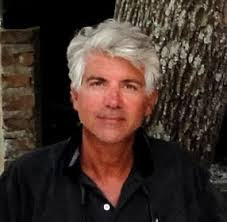
“Aquaborne was founded on the idea that nature doesn’t waste, and neither should we,” said Nodar Narsavidze, Managing Director of Aquaborne. “Our fish leather is a statement of innovation, sustainability, and respect for the full value of the fish. We’re honored to be part of the 100% Fish movement and excited to help expand its reach.”
[email protected]
www.seafood.media
|



 Print
Print