|
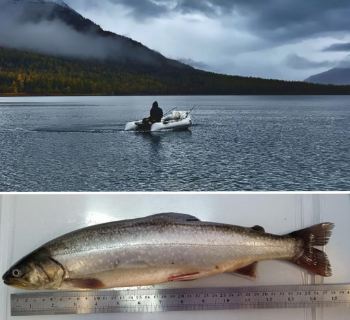
The scientists emphasize that aquaculture is the only sustainable way to utilize this valuable resource
Siberian Scientists Successfully Farm 'World's Most Beneficial Fish' with Record Omega-3 Levels
 RUSSIAN FEDERATION
Wednesday, November 19, 2025, 06:00 (GMT + 9)
Putorana Char (Salvelinus drjagini, or Dryagin's Char), a Taimyr native, reaches 3 kg in aquaculture experiment aimed at sustainable Arctic development.
KRASNOYARSK — An aquaculture experiment in Siberia has reached a major milestone, successfully raising the highly nutritious Putorana char to a market weight of 3 kilograms. Scientists are championing the species, native to Lake Sobachye in the Arctic region of Taimyr, as potentially the world's most beneficial fish dueto its exceptionally high content of long-chain omega-3 polyunsaturated fatty acids.
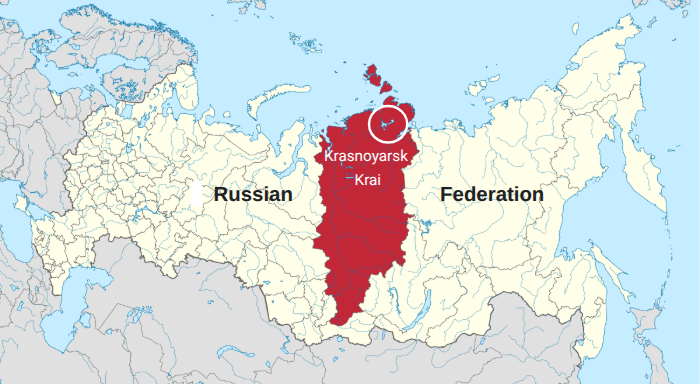
The krai lies in the middle of Siberia, and occupies nearly half of the Siberian Federal District
The Arctic Development Project Office (ADPO) reported the successful cultivation this week, confirming the fish reached the target weight at two separate production facilities in Krasnoyarsk Krai.
Record-Breaking Nutritional Value
The project centers on a unique discovery made several years ago by researchers from the Siberian Branch of the Russian Academy of Sciences (SB RAS) and Siberian Federal University (SFU). They identified a population of char in Lake Sobachye—part of the vast Putorana Plateau—that exhibited record-breaking levels of vital omega-3 fatty acids.
These substances are crucial for human health, actively supporting cardiovascular and nervous system health, promoting youthful skin, and helping to prevent degenerative changes in the brain.
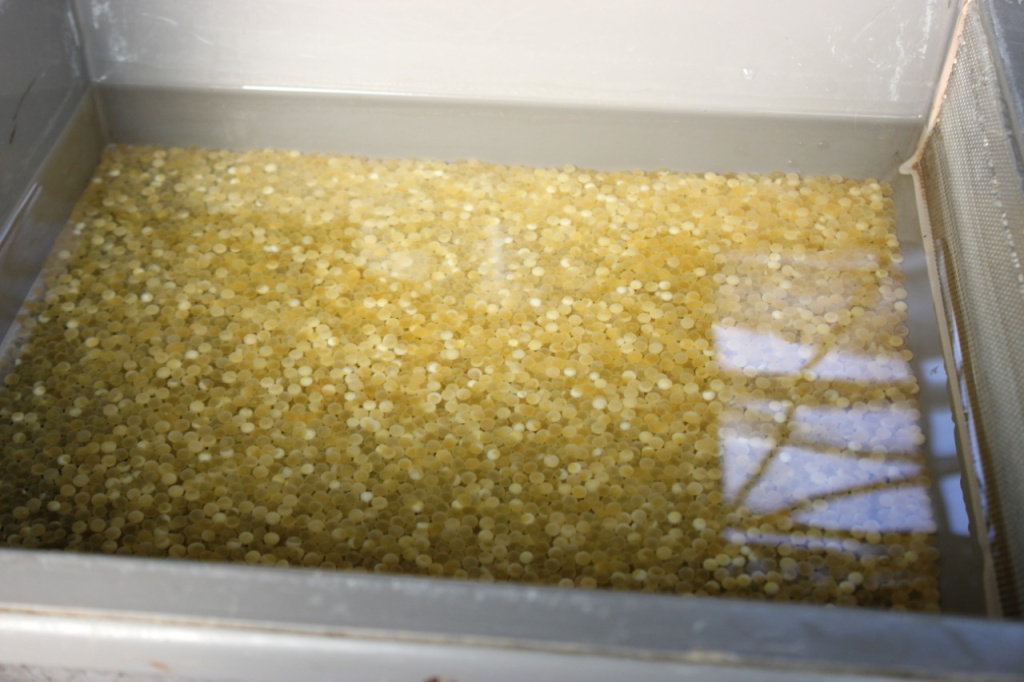
Putorana Char roe
According to research team member Larisa Glushchenko, a PhD candidate in biology and associate professor at SFU, the Taimyr char's nutritional profile "surpasses wild salmon and many other seafood products" in terms of these beneficial compounds.
The Aquaculture Experiment
 FIS seafood Media.png) The experiment, led by Corresponding Member of the Russian Academy of Sciences (RAS), Mikhail Gladyshev, aims to establish a sustainable, commercial-scale production method for the species. The experiment, led by Corresponding Member of the Russian Academy of Sciences (RAS), Mikhail Gladyshev, aims to establish a sustainable, commercial-scale production method for the species.
Initially, char eggs were divided and transferred to two distinct locations:
-
A facility in the Balakhtinsky District in the warmer south of Krasnoyarsk Krai.
-
The Norilsk Fish Hatchery near the char's native Arctic habitat.
The latest control stage has confirmed the viability of the experiment, with fish reaching 3 kg—a significant step toward commercial size. In the wild, adult Putorana char can grow substantially larger, sometimes weighing up to 14-20 kg, as noted by Dr. Glushchenko.
Researchers also undertook meticulous sampling of bottom organisms and sediments from Lake Sobachye to precisely replicate the char's natural diet and understand the mechanisms behind its unique biochemical composition. This is a critical step in ensuring the farmed fish retains its superior nutritional value.
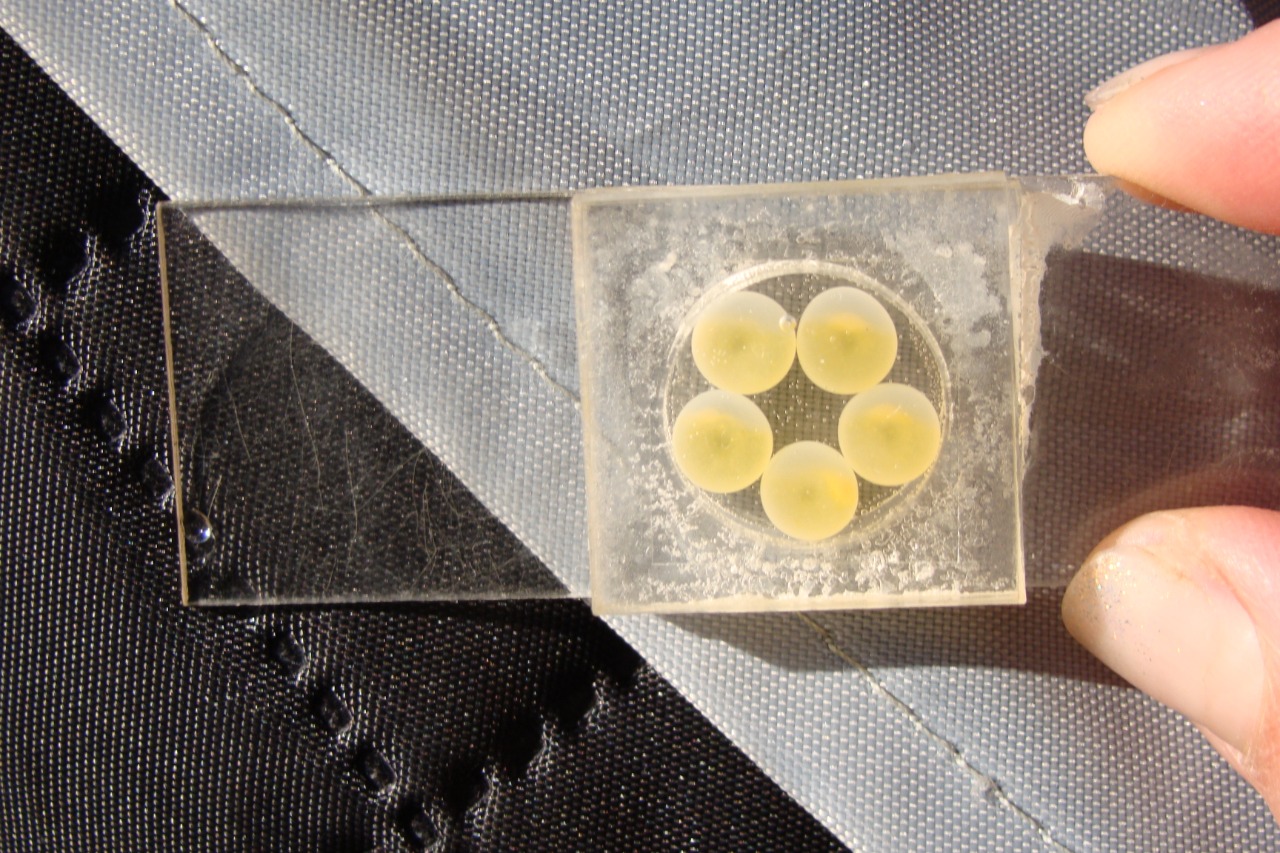
Detail of Artic Char roe
A Sustainable Model for the Arctic
The scientists emphasize that aquaculture is the only sustainable way to utilize this valuable resource. Many Arctic lakes, like those on the Putorana Plateau, are remote, pristine, and environmentally sensitive, making traditional commercial fishing ineffective or impossible. Fishing in these areas is largely restricted to the traditional fishing practices of indigenous peoples of the North.
Establishing a farmed broodstock is a long-term commitment, taking an estimated 5 to 7 years in total, which includes periodic genetic enhancement by introducing genetic material from wild fish populations. This careful process aims to create a robust and highly nutritious strain for future food security and economic development in Siberia's Arctic region.
[email protected]
www.seafood.media
|




 Print
Print