|
The Alaska pollock fishery in the eastern Bering Sea is a global powerhouse
Study Links Ocean Conditions to Salmon Bycatch in Alaska's Bering Sea Pollock Fishery
 UNITED STATES
Wednesday, November 19, 2025, 09:00 (GMT + 9)
New Research Offers Insights to Inform Sustainable Management of One of the World's Largest Fisheries
A new study by NOAA Fisheries and its partners is shedding light on how oceanographic conditions influence salmon bycatch in the crucial eastern Bering Sea pollock fishery. This research is deepening the understanding of factors contributing to encounters between pollock fisheries and salmon, supporting efforts to manage a sustainable Alaska pollock fishery while minimizing bycatch.
Bycatch Challenges in the Pollock Fishery
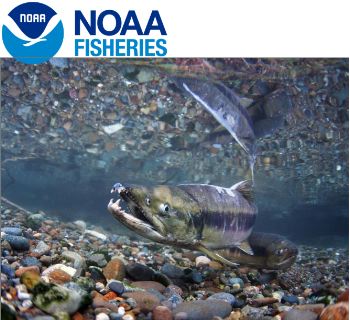
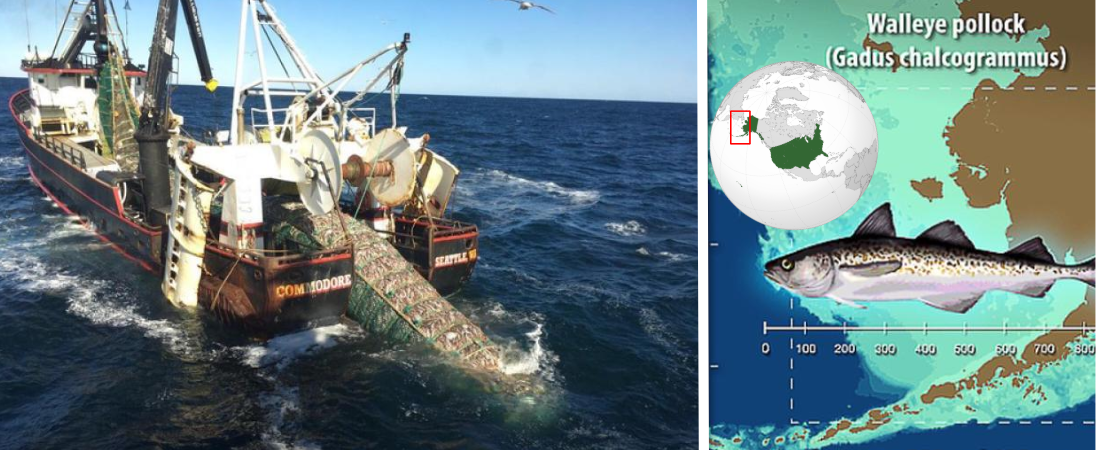
The Alaska pollock fishery in the eastern Bering Sea is a global powerhouse, landing more than 2 billion pounds of pollock on average and contributing to nearly half of all global pollock production. However, the unintentional capture, or bycatch, of Chinook and chum salmon—especially those originating from Western Alaskan populations—presents significant challenges. These salmon stocks are essential to Western Alaska communities but have experienced significant declines, linked to unfavorable environmental conditions. Their migration patterns and geographic overlap make them vulnerable to capture in the pollock fishery.
 NOAA Fisheries has implemented measures to minimize salmon bycatch, and the commercial pollock fishery has adopted its own avoidance measures. NOAA Fisheries has implemented measures to minimize salmon bycatch, and the commercial pollock fishery has adopted its own avoidance measures.
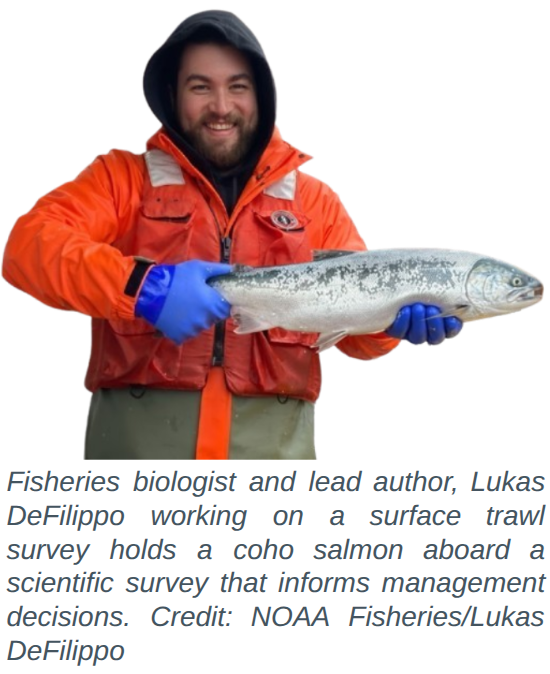
Lukas DeFilippo, a fisheries biologist at the Alaska Fisheries Science Center and the lead author of the new publication, explained the study's goal.
“This is an issue that’s the subject of ongoing discussions at North Pacific Fishery Management Council meetings,” DeFilippo says. “There’s limited information available on how environmental factors affect bycatch, which could potentially be useful for informing ongoing scientific and policy discussions.”
Environmental Conditions Impact Bycatch Rates
To explore bycatch dynamics, DeFilippo and his colleagues analyzed catch data collected by fishery observers from 2011 to 2023 in the eastern Bering Sea pollock fishery.
Key findings show that interactions between bottom depth and local sea surface temperature anomalies were consistently important in shaping bycatch rates, though the effects differed by salmon species and across the two main fishing seasons:
-
A Season (January to June): During years with more sea ice, there was an association with higher Chinook bycatch in most areas, possibly due to both the fishing fleet and Chinook salmon being constrained to ice-free areas, thus increasing overlap. Chum salmon are generally absent during this season.
-
B Season (Mid-June to November): Chum salmon bycatch generally increased earlier in the season, while Chinook bycatch increased later.
-
Deeper fishing (roughly 145 meters or more) typically reduced bycatch for both Chinook and chum.
-
Warmer phases of the Pacific Decadal Oscillation were broadly tied to higher B-season bycatch risk for both species.
-
The extent and position of the cold pool (a mass of cold, sub-surface waters left after sea ice melts) shifted where bycatch hotspots occurred, often concentrating along its edge.
.jpg)
Alaska pollock on the sorting table of the NOAA ship Oscar Dyson. Credit: Allan Phipps/NOAA
Implications for Fisheries Management
This research is viewed as a critical first step. While it's difficult to pinpoint definitive factors from catch data alone, the insights offer valuable information for managers and complement existing industry-led avoidance efforts.
The study highlighted a key challenge: timing can be effective for reducing Chinook bycatch but is less useful for simultaneously managing both species, given their differing seasonal peaks in the B-season. However, the consistent response to depth found for both species suggests a promising tactic.
“Deeper pollock fishing could help reduce bycatch of both species simultaneously,” DeFilippo noted, suggesting a potentially feasible management strategy.
Future projects, enabled by collaboration between the Alaska Fisheries Science Center, North Pacific Fishery Management Council staff, Alaska Department of Fish and Game, and the University of Alaska, are focusing on finer-scale prediction to forecast where and when salmon can be expected, allowing fleets to avoid them.
To learn more, read the full publication
[email protected]
www.seafood.media
|





 Print
Print