|
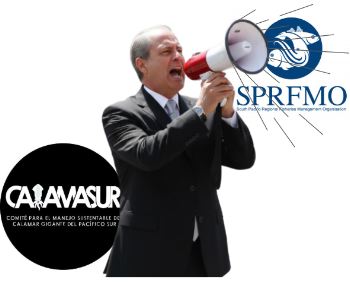
Alfonso Miranda Eyzaguirre, president of CALAMASUR, urges the SPRFMO to listen to the concerns of those who depend on the jumbo flying squid
More than 50 organizations demand regulation on the high seas amid the growth of China’s giant squid fleet
 PERU
PERU
Wednesday, February 11, 2026, 00:10 (GMT + 9)
CALAMASUR notes that more than 50 organizations are joining forces to contain what they describe as China’s “voracious” jumbo flying squid fishing fleet
An unprecedented declaration before the South Pacific Regional Fisheries Management Organization (SPRFMO) warns of the regulatory vacuum in international waters and proposes measures to ensure the sustainability of the resource and the livelihoods of thousands of artisanal fishers
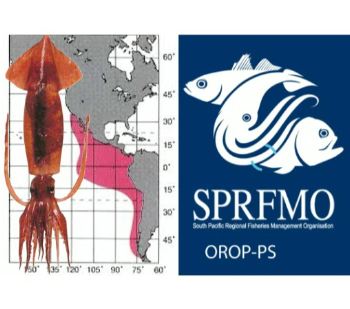 The jumbo flying squid—also known as jibia or pota (dosidicus gigas)—is one of the most relevant fishery resources in the South Pacific, with annual catches exceeding one million tons, making it one of the most important fisheries worldwide. Its exploitation is concentrated mainly in Peru, China, and Chile, which between 2019 and 2023 accounted for 51%, 41%, and 7% of landings, respectively. The jumbo flying squid—also known as jibia or pota (dosidicus gigas)—is one of the most relevant fishery resources in the South Pacific, with annual catches exceeding one million tons, making it one of the most important fisheries worldwide. Its exploitation is concentrated mainly in Peru, China, and Chile, which between 2019 and 2023 accounted for 51%, 41%, and 7% of landings, respectively.
This resource is key to the economy and livelihoods of tens of thousands of artisanal fishers in Peru and Chile, where more than 6,000 vessels operate collectively. In both countries, the activity takes place primarily in jurisdictional waters, under strict management systems that include annual catch quotas and, in the case of Peru, closed seasons aimed at protecting the reproduction of the resource.
However, in the international waters of the South Pacific, a regulatory vacuum persists that allows jumbo flying squid fishing without catch limits under an open-access regime. In this area, the Chinese fishing fleet operates almost exclusively, consisting of 671 large-scale vessels.
.jpg)
Photo: Stockfile/FIS
In response to this scenario, more than fifty organizations from Latin America, Europe, and North America submitted a joint declaration to the SPRFMO, calling for urgent measures to improve the conservation and management of jumbo flying squid on the high seas. The initiative brings together, in an unprecedented way, artisanal fisher organizations, vessel owners, processing and exporting companies, as well as civil society organizations.
(2).jpg) According to Alfonso Miranda, president of the Committee for the Sustainable Management of Jumbo Flying Squid of the South Pacific (CALAMASUR), the SPRFMO was created precisely to prevent unregulated fishing in international waters, an objective that—he states—has not yet been fulfilled. In its 13 years of existence, the Chinese fleet is estimated to have caught around five million tons of jumbo flying squid on the high seas without sufficient scientific backing to guarantee the sustainability of the resource. Between 2020 and 2024, its annual landings exceeded 400,000 tons, representing an increase of nearly 65% compared to the previous decade. According to Alfonso Miranda, president of the Committee for the Sustainable Management of Jumbo Flying Squid of the South Pacific (CALAMASUR), the SPRFMO was created precisely to prevent unregulated fishing in international waters, an objective that—he states—has not yet been fulfilled. In its 13 years of existence, the Chinese fleet is estimated to have caught around five million tons of jumbo flying squid on the high seas without sufficient scientific backing to guarantee the sustainability of the resource. Between 2020 and 2024, its annual landings exceeded 400,000 tons, representing an increase of nearly 65% compared to the previous decade.
Recent research by Chile’s Fisheries Development Institute (IFOP) has warned of signs of deterioration in the health of the jumbo flying squid population distributed in international waters. Added to this is a competitive asymmetry: while artisanal fishers in coastal countries must comply with quotas based on scientific criteria, the fleet operating on the high seas faces no comparable restrictions, which has allowed China to displace Peru as the world’s leading producer in some recent years.
.png) The declaration is supported by artisanal fishing organizations from Chile, Ecuador, Mexico, and Peru; by companies and trade associations linked to the processing and export of the resource; and by internationally recognized environmental organizations. Despite historical differences among these actors, there is a clear consensus: without effective rules on the high seas, this fishery faces a serious risk in the future. The declaration is supported by artisanal fishing organizations from Chile, Ecuador, Mexico, and Peru; by companies and trade associations linked to the processing and export of the resource; and by internationally recognized environmental organizations. Despite historical differences among these actors, there is a clear consensus: without effective rules on the high seas, this fishery faces a serious risk in the future.
The signatory organizations support nine conservation and management proposals that will be discussed at the fourteenth meeting of the SPRFMO, scheduled for March 2026 in Panama. These measures include the regulation of fishing effort in international waters, the establishment of precautionary catch limits, the strengthening of monitoring and enforcement, and the protection of crew members’ labor rights.
The final call is for the SPRFMO to act with responsibility and adopt decisions that ensure the sustainability of jumbo flying squid and protect the livelihoods of thousands of artisanal fishers in Latin America.
Key data:
The nine proposals for the management of jumbo flying squid are available on the CALAMASUR website.
The joint declaration is signed by:
-
17 artisanal fishing organizations from Chile, Ecuador, Mexico, and Peru, including the National Society of Artisanal Fisheries of Peru (SONAPESCAL), the National Coordinator of Jumbo Squid Fishers of Chile, the Alianza Pesca Maule, and the Santa Rosa Artisanal Fisheries Production Cooperative (Ecuador).
-
21 companies and business associations involved in processing and exporting in Chile and Peru, such as APPES-Chile and the Peruvian Chamber of Jumbo Flying Squid (CAPECAL).
-
20 civil society organizations, including Environmental Justice Foundation (EJF), OCEANA, The Pew Charitable Trusts, and the Innovations for Ocean Action Foundation (I4OA).
🇯🇵 日本語(Japanese)
50を超える組織が、中国の巨大イカ漁船団の拡大を受け、公海での規制を要求
CALAMASURは、50を超える組織が、中国の**「貪欲」と評される巨大イカ漁船団を抑制するために結集していると指摘
南太平洋地域漁業管理機関(SPRFMO)に提出された前例のない声明は、国際水域における規制の空白に警鐘を鳴らし、資源の持続可能性と何千人もの零細漁業者の生計**を確保するための対策を提案している
巨大イカ(ジビアまたはポタとも呼ばれる)は、南太平洋において最も重要な漁業資源の一つであり、年間漁獲量は100万トンを超え、世界で最も重要な漁業の一つとなっている。その漁獲は主にペルー、中国、チリに集中しており、2019年から2023年の間に、それぞれ51%、41%、**7%**を占めた。
この資源は、ペルーおよびチリにおける数万人の零細漁業者の経済と生計にとって極めて重要であり、両国では合計で6,000隻以上の漁船が操業している。両国では、操業は主に管轄水域で行われ、年間漁獲枠や、ペルーでは資源の繁殖を保護するための禁漁期を含む厳格な管理制度の下にある。
しかし、南太平洋の国際水域では、規制の空白が続いており、オープンアクセス体制の下で漁獲量の制限なしに巨大イカ漁が行われている。この海域では、中国の漁船団がほぼ独占的に操業しており、671隻の大型漁船で構成されている。
この状況を受け、ラテンアメリカ、ヨーロッパ、北米の50を超える組織が、南太平洋地域漁業管理機関(SPRFMO)に共同声明を提出し、公海における巨大イカの保全と管理を改善するための緊急措置を求めた。この取り組みは、前例のない形で、零細漁業者団体、船主、加工・輸出企業、および市民社会組織を結集させている。
南太平洋巨大イカ持続的管理委員会(CALAMASUR)の会長であるアルフォンソ・ミランダ氏によれば、SPRFMOは国際水域における無秩序な漁業を防ぐために設立されたが、その目的は—同氏の指摘によれば—いまだ実現されていない。設立から13年間で、中国の漁船団は、公海において約500万トンの巨大イカを、資源の持続可能性を保証する十分な科学的根拠なしに漁獲したとされている。2020年から2024年にかけて、年間水揚げ量は40万トンを超え、前の10年間と比べて約65%の増加となった。
チリ漁業振興研究所(IFOP)による最近の研究では、国際水域に分布する巨大イカ資源の健全性の悪化の兆候が警告されている。さらに、競争上の非対称性も指摘されている。沿岸国の零細漁業者が科学的基準に基づく漁獲枠を遵守しなければならない一方で、公海で操業する漁船団には同様の制限がなく、その結果、近年の一部の年において、中国が世界最大の生産国としてペルーを上回ることとなった。
この声明は、チリ、エクアドル、メキシコ、ペルーの零細漁業団体、資源の加工・輸出に関わる企業および業界団体、そして国際的に評価の高い環境保護団体の支持を受けている。これらの主体の間には歴史的な違いがあるものの、公海における実効性あるルールがなければ、この漁業は将来に深刻なリスクを抱えるという点で一致している。
署名団体は、9つの保全・管理提案を支持しており、これらは2026年3月にパナマで開催予定のSPRFMO第14回会合で議論される予定である。これらの措置には、国際水域での漁獲努力量の規制、予防的漁獲上限の設定、監視および取締りの強化、および乗組員の労働権の保護が含まれる。
最終的な呼びかけは、SPRFMOが責任を持って行動し、巨大イカの持続可能性を確保し、ラテンアメリカの何千人もの零細漁業者の生計を守るための決定を下すことである。
主要データ:
巨大イカ管理に関する9つの提案は、CALAMASURのウェブサイトで公開されている。
共同声明の署名団体:
-
チリ、エクアドル、メキシコ、ペルーの17の零細漁業団体。これには、ペルー零細漁業全国協会(SONAPESCAL)、チリ全国イカ漁業者調整組織、アリアンサ・ペスカ・マウレ、および**サンタ・ロサ零細漁業生産協同組合(エクアドル)**が含まれる。
-
チリおよびペルーの21の加工・輸出関連企業および業界団体。APPES-Chileおよび**ペルー巨大イカ商工会議所(CAPECAL)**など。
-
Environmental Justice Foundation(EJF)、OCEANA、The Pew Charitable Trusts、Innovations for Ocean Action Foundation(I4OA)を含む20の市民社会組織。
🇨🇳 简体中文(Chinese – Simplified)
五十多个组织要求在公海实施监管,以应对中国巨型鱿鱼渔船队的增长
CALAMASUR指出,五十多个组织正在联合起来,遏制其所称的中国**“贪婪”的巨型鱿鱼捕捞船队
向南太平洋区域渔业管理组织(SPRFMO)提交的一份前所未有的声明警示国际水域中的监管真空**,并提出措施,以确保资源的可持续性以及成千上万手工渔民的生计
巨型鱿鱼(亦称jibia或pota)是南太平洋最重要的渔业资源之一,年捕捞量超过一百万吨,使其成为全球最重要的渔业之一。其捕捞主要集中在秘鲁、中国和智利,在2019年至2023年期间,这三个国家分别占登陆量的51%、41%和7%。
这一资源对秘鲁和智利的数万名手工渔民的经济和生计至关重要,两国合计有6,000多艘渔船从事捕捞活动。在这两个国家,捕捞主要在管辖水域内进行,并实行严格的管理制度,包括年度捕捞配额,以及在秘鲁实施的、旨在保护资源繁殖的禁渔期。
然而,在南太平洋的国际水域,监管真空依然存在,在开放准入制度下,巨型鱿鱼捕捞没有捕捞上限。在该区域,中国渔船队几乎独家作业,该船队由671艘大型渔船组成。
在此背景下,来自拉丁美洲、欧洲和北美的五十多个组织向南太平洋区域渔业管理组织(SPRFMO)提交了联合声明,呼吁采取紧急措施,以改善公海巨型鱿鱼的保护和管理。该倡议以前所未有的方式汇集了手工渔民组织、船东、加工和出口企业以及民间社会组织。
据南太平洋巨型鱿鱼可持续管理委员会(CALAMASUR)主席阿方索·米兰达表示,SPRFMO正是为防止国际水域无序捕捞而成立的,但这一目标——他指出——至今尚未实现。在其成立的13年中,中国渔船队据估计在公海捕捞了约500万吨巨型鱿鱼,但缺乏足够的科学依据来保障资源的可持续性。在2020年至2024年期间,其年登陆量超过40万吨,较前一个十年增长近65%。
智利渔业促进研究所(IFOP)近期的研究警告称,分布在国际水域的巨型鱿鱼种群出现健康状况恶化的迹象。此外,还存在明显的竞争不对称:沿海国家的手工渔民必须遵守基于科学标准的捕捞配额,而在公海作业的船队却没有类似限制,这使得中国在近年来的部分年份中取代秘鲁,成为全球最大的生产国。
该声明得到了来自智利、厄瓜多尔、墨西哥和秘鲁的手工渔业组织,与资源加工和出口相关的企业和行业协会,以及具有国际声誉的环保组织的支持。尽管这些参与方在历史上存在差异,但在一个核心问题上达成一致:如果公海缺乏有效规则,这一渔业的未来将面临严重风险。
签署组织支持九项保护和管理提案,这些提案将于2026年3月在巴拿马举行的SPRFMO第十四次会议上进行讨论。这些措施包括:规范国际水域的捕捞努力、设定预防性捕捞上限、加强监测和执法,以及保护船员的劳动权利。
最终呼吁是,SPRFMO应负责任地采取行动,作出决策,以确保巨型鱿鱼资源的可持续性,并保护拉丁美洲成千上万手工渔民的生计。
关键信息:
有关巨型鱿鱼管理的九项提案可在CALAMASUR网站上查阅。
联合声明的签署方包括:
-
来自智利、厄瓜多尔、墨西哥和秘鲁的17个手工渔业组织,其中包括秘鲁国家手工渔业协会(SONAPESCAL)、智利全国鱿鱼渔民协调组织、Alianza Pesca Maule以及厄瓜多尔圣罗莎手工渔业生产合作社。
-
来自智利和秘鲁的21家加工和出口相关企业及行业协会,如APPES-Chile和秘鲁巨型鱿鱼商会(CAPECAL)。
-
包括Environmental Justice Foundation(EJF)、OCEANA、The Pew Charitable Trusts和Innovations for Ocean Action Foundation(I4OA)在内的20个民间社会组织。
[email protected]
www.seafood.media
|





 Print
Print