|
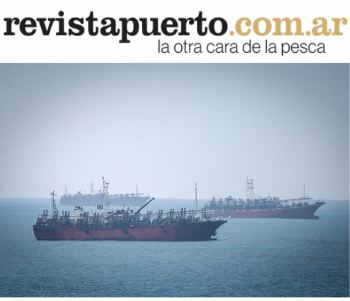
Photo: Revista Puerto/FIS
Catch rebound: jigging fleet rediscovers squid south of the 44° parallel
 ARGENTINA
Thursday, March 19, 2026, 00:10 (GMT + 9)
After several days without signs of the resource, catches resume south of the 44° parallel with strong yields, while northern opening is postponed for biological reasons.
.png)
Argentina’s jigging fleet once again recorded significant catches of Illex argentinus squid south of the 44° parallel, following several days without locating the resource. Vessels resumed operations with daily yields of around 30 tons, revitalizing a season that had already been showing historic levels. According to Nelson Saldivia for Revista Puerto, an early opening north of that line was evaluated, but based on biological recommendations the area will remain closed, with a possible opening expected in early April.
The 2026 season is shaping up to be exceptional. During the first two months of the year, catches nearly doubled those of the same period in 2025, confirming a highly productive fishery.
The season began on January 2, although initial efforts failed to locate the South Patagonian stock (stock sudpatagónico). Vessels that moved south in search of this stock were unsuccessful. However, from January 9, when fishing up to the 44° parallel was authorized, catch rates improved steadily.
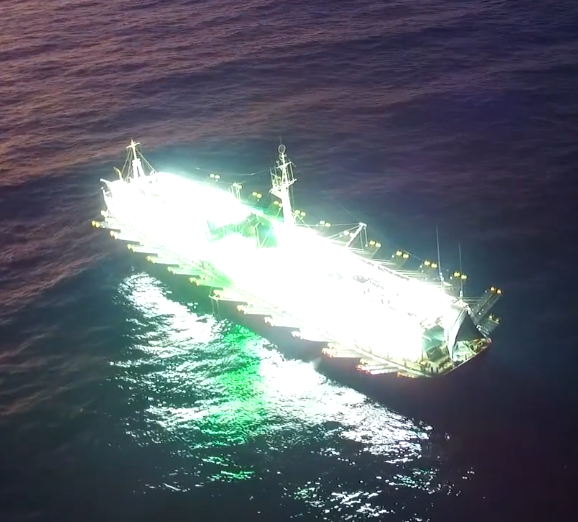
Foto: Stockfile / FIS
With the South Patagonian stock not found, the fleet focused on the summer spawning stock (stock desovante de verano). Initially, medium to small-sized squid were detected, but over the weeks the quality of the resource improved significantly. In just two months, total catches reached 123,000 tons, distributed as follows:
-
Jigging fleet: 105,000 tons
-
Freezer trawlers: 17,000 tons
-
Fresh fish vessels: 1,300 tons
.jpg)
Photo: Revista Puerto
Intense port activity
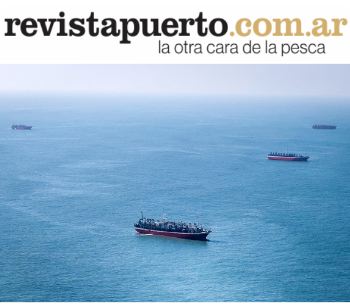
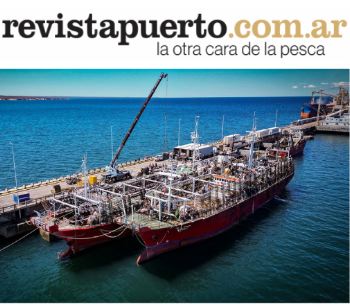
This surge in activity directly impacted major Patagonian ports. Puerto Madryn recorded 60,216 tons, while Puerto Deseado handled 28,217 tons. Meanwhile, Mar del Plata received 21,233 tons, and Comodoro Rivadavia about 1,500 tons, all within the first two months of the year.
The activity also boosted onshore operations: stevedoring maintained a steady pace not only in unloading but also in the consolidation and export of the product, strengthening its regional economic impact.
Catches rebound
.png)
“Este año como particularidad, varios congeladores arrastreros salieron a buscar calamar, esto aumentó un poco más las capturas. Los permisos de pesca así lo autorizan y es un tema que habrá que tener en cuenta en algún momento, pero hoy se puede trabajar así”, analizó el director Ejecutivo de la Cámara de Armadores de Poteros Argentinos (CAPA), Ing. Juan Darío Sócrate.
“Cuando parecía que estaba prácticamente terminándose, la primera etapa de la zafra, al sur del paralelo 44°, se registró este repunte en las capturas en los últimos tres días”, describió.
North of 44° remains closed
Following a temporary drop in catches, a technical recommendation was requested from INIDEP to evaluate the possibility of an early opening north of the 44° parallel. However, the institute recommended keeping the area closed due to the presence of small-sized specimens, prioritizing resource sustainability.
It should be noted that the Federal Fisheries Council (Consejo Federal Pesquero) opened the fishery in that area on April 1 in 2025, so a similar decision is expected this year. As the second half of March progresses and fishing activity in the current zone is assessed, an opening date similar to last year could be considered.
Related News:
[email protected]
www.seafood.media
|
|







.jpg)


.jpg)
.jpg)
 Print
Print