|

Illustrative image generated by AI
Whitefish Crunch Hits U.S. Market as Supply Shortages Drive Prices to New Highs
 UNITED STATES
Thursday, April 09, 2026, 00:10 (GMT + 9)
Buyers Turn to Alternatives Like Pollock, but Rising Costs Ripple Across the Entire Sector
The U.S. whitefish wholesale market tightened significantly in week 14, as concerns shifted from rising costs to a deeper issue: insufficient supply. Persistently low inventory levels and rapid turnover in the spot market underscore a supply chain under strain, with constraints now firmly dictating price movements.
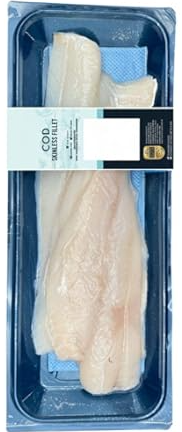 Atlantic cod prices continued their upward climb, fueled largely by double-frozen products processed in China. Elevated restocking costs—sustained over recent months—are now being passed on to end users, signaling a broad market price reset. Meanwhile, Icelandic auction prices remain at historically high levels, with no signs of relief, while Norwegian cod prices fluctuate within a consistently high range. For U.S. importers, purchasing flexibility has narrowed sharply, making delayed buying strategies increasingly risky. Atlantic cod prices continued their upward climb, fueled largely by double-frozen products processed in China. Elevated restocking costs—sustained over recent months—are now being passed on to end users, signaling a broad market price reset. Meanwhile, Icelandic auction prices remain at historically high levels, with no signs of relief, while Norwegian cod prices fluctuate within a consistently high range. For U.S. importers, purchasing flexibility has narrowed sharply, making delayed buying strategies increasingly risky.
Under mounting price pressure, some buyers are scaling back purchases of Atlantic cod and shifting toward Pacific cod. However, this alternative is no longer providing relief. Prices for both individually frozen and double-frozen Pacific cod have surged, driven by increased demand. Added burdens such as freight costs and tariffs have eroded its former role as a “buffer commodity,” turning it into yet another source of cost escalation.
Haddock prices have also trended upward. Although supply is marginally more available compared to cod, slow arrivals and continued tightness in overall supply persist. Rising demand for substitutes, coupled with reduced auction volumes in Iceland and higher raw material costs, has pushed market floor prices even higher.
Once considered a more affordable option, pollock is quickly losing its price advantage. Costs for frozen and double-frozen pollock products are climbing steadily, while upstream supply tightens. In the U.S. A-season, fillet production has dropped significantly compared to last year, largely due to declining yields. At the same time, Russian fishing operations are lagging, complicating raw material sourcing. Chinese processors report notable price increases, yet even at elevated levels, stable supply remains uncertain.
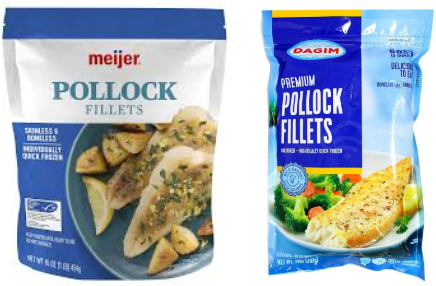
Demand across the sector remains robust. As cod and haddock become increasingly expensive, more buyers are turning to pollock, further intensifying demand. Orders continue to flow into processing facilities, with transaction volumes rising alongside prices.
Overall, the whitefish market is defined by a consistent pattern: low global inventories, limited cold storage availability, and a supply chain where most products move directly to processing or end users. With few viable protein alternatives, buyers are being drawn into the market despite high prices, sustaining upward pressure across all major whitefish categories.
🇯🇵 日本語版(Japanese Translation)
供給不足で米国白身魚市場が逼迫、価格は過去最高水準へ
スケトウダラなど代替魚種への需要が拡大も、コスト上昇は業界全体に波及
米国の白身魚卸売市場は第14週に大きく逼迫し、懸念は単なるコスト上昇から、より深刻な問題である供給不足へと移行した。持続的な低在庫水準とスポット市場での急速な回転は、供給制約が価格動向を支配している現状を浮き彫りにしている。
大西洋タラ(Atlantic cod)の価格は引き続き上昇し、その主因は中国で加工された二重凍結製品である。長期間にわたり高止まりしている補充コストは、現在エンドユーザー価格へと転嫁され始めており、市場は徐々に価格再評価の局面に入っている。一方、アイスランドのオークション価格は歴史的高値を維持し、供給逼迫の緩和は見られない。ノルウェー産タラ価格も高値圏で変動しており、顕著な下落の兆しはない。米国の輸入業者にとって、購買余地はさらに圧縮され、購入の先送りは一層困難になっている。
価格圧力の下、一部のバイヤーは大西洋タラの購入を抑制し、太平洋タラ(Pacific cod)へと需要をシフトしている。しかし、この代替ももはや緩衝材とはなっていない。個別凍結および二重凍結の太平洋タラはいずれも価格が上昇しており、需要増がその背景にある。さらに、輸送費や関税といった追加コストが重なり、太平洋タラは従来の「バッファー商品」としての役割を失い、新たなコスト上昇要因となっている。
ハドック(Haddock)価格も上昇した。供給はタラよりやや潤沢ではあるものの、入荷の遅れと全体的な供給逼迫が続いている。代替需要の増加に加え、アイスランドのオークション数量減少および原材料コストの上昇が、市場の下限価格をさらに押し上げている。
かつて比較的安価とされていたスケトウダラ(Pollock)も、その優位性を急速に失いつつある。冷凍および二重凍結製品の価格は継続的に上昇し、上流の供給も逼迫している。米国のAシーズンでは、歩留まりの低下によりフィレ生産量が前年を大きく下回った。同時に、ロシアの漁業進捗の遅れが原料調達を一層困難にしている。中国の加工業者は大幅な値上げを報告しているが、高値でも安定供給の確保は困難な状況である。
需要は依然として堅調である。タラやハドックの高値を受け、より多くのバイヤーがスケトウダラへと流入し、その需要をさらに押し上げている。加工部門への注文は継続的に流入し、取引量は価格とともに増加している。
総じて、白身魚市場は共通した特徴を示している:世界的な在庫は低水準、冷蔵在庫は限られている、そして供給の大半は加工または最終ユーザーへ直接流れている。代替可能なタンパク源が限られている中、バイヤーは高価格にもかかわらず市場への参入を余儀なくされており、すべての主要白身魚カテゴリーで価格上昇圧力が維持されている。
🇨🇳 简体中文版(Simplified Chinese Translation)
供应紧张推动美国白鱼市场价格飙升至新高
买家转向狭鳕等替代品,但成本上涨已蔓延至整个行业
美国白鱼批发市场在第14周持续收紧,市场关注点已从单纯的成本上涨转向更根本的问题:供应不足。持续的低库存水平以及现货市场的快速周转,表明供给端约束正在主导价格走势。
大西洋鳕鱼(Atlantic cod)价格继续上涨,主要由中国加工的二次冷冻产品推动。长期处于高位的补库成本开始向终端价格传导,市场正逐步完成价格重估。与此同时,冰岛拍卖价格维持在历史高位,供应紧张局面没有缓解迹象;挪威鳕鱼价格在高位区间波动,未出现明显下行趋势。对于美国进口商而言,采购空间进一步被压缩,延迟采购变得更加困难。
在价格压力下,一些买家开始减少大西洋鳕鱼的采购,转向太平洋鳕鱼(Pacific cod)。然而,这一替代品也不再具备缓冲作用。单冻和二次冷冻太平洋鳕鱼价格均出现上涨,需求增加是主要推动力。同时,叠加运费和关税等成本,太平洋鳕鱼已从“缓冲商品”转变为新的成本压力来源。
黑线鳕(Haddock)价格同样上涨。尽管供应较鳕鱼略为充足,但到货缓慢,整体供应仍然紧张。替代需求增加,加之冰岛拍卖量减少以及原材料成本上升,进一步推高了市场底价。
曾被视为相对低价选择的狭鳕(Pollock),其价格优势正在迅速消失。冷冻及二次冷冻产品价格持续上涨,上游供应趋紧。在美国A季,由于出成率下降,鱼片产量较去年显著减少。同时,俄罗斯捕捞进度滞后,使原料获取更加困难。中国加工厂报告价格大幅上涨,但即便在高价水平下,稳定供应仍难以保障。
需求依然活跃。由于鳕鱼和黑线鳕价格高企,更多买家转向狭鳕,进一步推高了该品种的需求。加工端订单持续流入,市场交易量随着价格同步上升。
总体来看,白鱼市场呈现出一致特征:全球库存偏低、冷库存资源有限,且大部分供应直接流向加工或终端消费环节。在可替代蛋白有限的情况下,买家被动进入市场,推动所有主要白鱼品类价格持续上涨。
[email protected]
www.seafood.media
|





 Print
Print