|
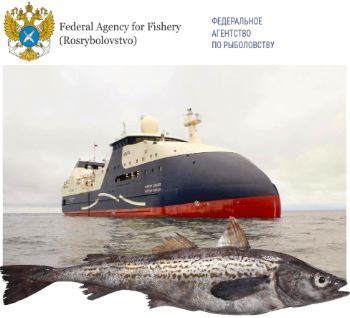
Photo: Federal Agency for Fisheries (Rosrybolovstvo) / FIS
Pollock Season Nears One Million Tons as Prices Hit Record Highs
 RUSSIAN FEDERATION
Friday, April 10, 2026, 00:10 (GMT + 9)
Rising catches collide with tightening supply chains and record prices, reshaping the global seafood market
The Russian Far East is closing out a powerful fishing season with pollock catches nearing the symbolic one-million-ton mark, even as global prices for the species surge beyond $2,000 per ton, creating mounting pressure across international seafood markets.
According to the Federal Agency for Fisheries (Rosrybolovstvo), as of April 5, 2026, pollock catches in the Sea of Okhotsk and surrounding waters reached more than 943,000 tons, solidifying the foundation for one of the strongest seasons in recent years. By April 6, total aquatic bioresources harvested by Russian operators climbed to 1.48 million tons, with the Far Eastern basin accounting for 1.27 million tons.
.jpg)
Pollock remains the backbone of the industry, with 972,400 tons recorded overall. The Sea of Okhotsk alone contributed 693,600 tons, representing over 70% of total pollock output, underscoring its role as the region’s primary fishing hub.
At the same time, other key species are also on the rise. Pacific herring landings reached approximately 174,200 tons, marking an increase of 6,100 tons year-on-year, while cod production totaled around 40,900 tons, up modestly compared to 2025 levels. Additional gains were seen in species such as Far Eastern flounder, which rose by 4,000 tons to 15,800 tons.
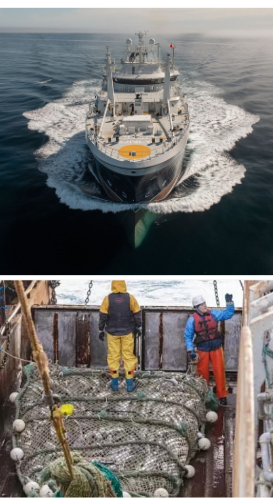
 Fishing operations have remained intense throughout the season, with around 65 large and medium-sized vessels supported by 24 transport ships and overseen by 30 monitoring personnel to ensure compliance and efficiency during at-sea transshipment. Fishing operations have remained intense throughout the season, with around 65 large and medium-sized vessels supported by 24 transport ships and overseen by 30 monitoring personnel to ensure compliance and efficiency during at-sea transshipment.
However, the surge in production is straining logistics. Cold storage facilities in Primorsky Krai are operating at about 37% capacity, holding roughly 46,700 tons, while 26 transport vessels carrying an additional 35,400 tons are en route to port, signaling continued pressure on infrastructure in the short term.
Despite these strong harvest figures, the global market tells a different story—one of tightening supply and escalating costs.
 In week 13 of 2026, the price of Russian pollock raw materials surpassed $2,000 per ton for the first time, with head-and-gutted (H&G) pollock (size 25+) jumping by about $125 per ton in a single week. Actual asking prices have climbed even higher, reflecting a growing imbalance between supply and demand. In week 13 of 2026, the price of Russian pollock raw materials surpassed $2,000 per ton for the first time, with head-and-gutted (H&G) pollock (size 25+) jumping by about $125 per ton in a single week. Actual asking prices have climbed even higher, reflecting a growing imbalance between supply and demand.
“Despite accepting the higher price, buyers are still struggling to secure orders due to limited supply,” industry sources noted, highlighting the disconnect between strong catches and constrained availability of processed products.
The root of the issue lies in reduced processing output. As of March 20, 2026, Russia’s H&G production stood at approximately 237,544 tons, representing a 12.5% decline compared to the same period last year. Slower-than-expected processing, combined with geopolitical disruptions and trade bottlenecks—particularly affecting the European market—has restricted the flow of goods.
This shortage is being felt most acutely in China, where seafood processors are facing difficulty securing raw materials. Many companies have been forced to delay or suspend procurement, adopting a cautious approach as costs rise and margins shrink.
Alternative supplies are limited. Output from the United States is largely pre-contracted and unable to offset the shortfall, while double-frozen fillets from China—a fallback option—are also becoming more expensive due to rising shipping costs.

Photo: Stockfile / FIS
Even as demand remains strong in both Russia and China, the rapid increase in raw material prices is compressing profitability across the sector. “Some businesses believe the market is experiencing an imbalance, with continuously rising raw material and fillet prices increasing cost risks,” industry participants said.
As the “Sea of Okhotsk A” fishing season—which runs from January to April—enters its final phase, attention is shifting from harvesting to processing and distribution. But with supply chains under strain and prices at historic highs, the global pollock market faces an uncertain path in the months ahead.
🇯🇵 日本語版(Japanese Translation)
ロシアのスケトウダラ漁獲量が100万トンに迫る中、世界価格は2,000ドルを突破
増加する漁獲量と供給逼迫が衝突し、世界の水産市場を再編
ロシア極東では、スケトウダラの漁獲量が象徴的な100万トンに迫る力強いシーズン終盤を迎えている。一方で、同魚種の世界価格は1トンあたり2,000米ドルを突破し、国際的な水産市場全体に圧力が高まっている。
連邦漁業庁(Rosrybolovstvo)によると、2026年4月5日時点で、オホーツク海および周辺海域におけるスケトウダラの漁獲量は943,000トン超に達し、近年でも最も力強いシーズンの一つとなる基盤が固まった。さらに4月6日までに、ロシア全体の水産生物資源の総漁獲量は148万トンに達し、そのうち極東漁業海域が127万トンを占めている。
スケトウダラは依然として産業の中核であり、総計972,400トンが記録された。特にオホーツク海単独で693,600トンを占め、全体の70%以上に達しており、同地域が主要な漁業拠点であることを示している。
同時に、他の主要魚種も増加している。太平洋ニシンの漁獲量は約174,200トンに達し、前年同期比で6,100トン増となった。またタラの生産量は約40,900トンで、2025年と比べて緩やかな増加を維持している。さらに極東カレイ類なども増加し、15,800トン(4,000トン増)となった。
漁業活動の規模は依然として高水準を維持しており、約65隻の大型・中型漁船に加え、24隻の輸送船が海上での積み替えを支え、30人の監督要員がコンプライアンスと効率を確保している。
しかし、この生産増加は物流に負担をかけている。沿海地方(Primorsky Krai)の冷蔵施設の稼働率は約37%で、約46,700トンが保管されている一方、さらに35,400トンを積載した26隻の輸送船が港に向かっており、短期的にはインフラへの圧力が続く見通しだ。
こうした好調な漁獲にもかかわらず、世界市場では供給逼迫と価格高騰という異なる状況が展開されている。
2026年第13週には、ロシア産スケトウダラ原料価格が初めて1トンあたり2,000米ドルを突破し、頭付き内臓除去(H&G、サイズ25+)の価格はわずか1週間で約125米ドル上昇した。実際の提示価格はさらに高騰しており、需給の不均衡が拡大していることを示している。
「より高い価格を受け入れているにもかかわらず、供給が限られているため、買い手は依然として注文を確保するのに苦労している」と業界関係者は指摘し、漁獲量の多さと加工製品供給の制約との乖離を強調した。
問題の根本は加工量の減少にある。2026年3月20日時点で、ロシアのH&G生産量は約237,544トンにとどまり、前年同期比で12.5%減少した。加工の遅れに加え、地政学的要因や貿易の混乱(特に欧州市場)が物流を制約している。
この供給不足は特に中国で顕著であり、水産加工業者は原料確保に苦戦している。多くの企業が調達の延期または一時停止を余儀なくされ、コスト上昇と利益率低下の中で慎重姿勢を取っている。
代替供給も限られている。米国からの供給は大半が契約済みで不足分を補えず、代替としての中国産二度冷凍フィレも輸送コスト上昇により価格が急騰している。
ロシアおよび中国の需要は依然として強いものの、原料価格の急騰は業界全体の収益性を圧迫している。「一部の企業は、市場が不均衡な状態にあり、原材料とフィレ価格の継続的な上昇がコストリスクを高めていると考えている」と業界関係者は述べている。
1月から4月にかけて実施される**「オホーツク海Aシーズン」**が最終段階に入る中、焦点は漁獲から加工・流通へと移行しつつある。しかし、サプライチェーンの逼迫と過去最高水準の価格により、今後の世界スケトウダラ市場は不透明な状況に直面している。
🇨🇳 简体中文版(Simplified Chinese Translation)
俄罗斯狭鳕产量逼近100万吨 全球价格突破2000美元创历史新高
捕捞增长与供应紧张交织 正在重塑全球水产市场
随着捕捞季接近尾声,俄罗斯远东地区的狭鳕产量正逼近象征性的100万吨大关,与此同时,该鱼种的全球价格已突破每吨2000美元,给国际水产市场带来持续压力。
根据俄罗斯联邦渔业署(Rosrybolovstvo)数据,截至2026年4月5日,鄂霍次克海及周边海域的狭鳕捕捞量已超过943,000吨,为近年来表现强劲的一个渔季奠定基础。截至4月6日,俄罗斯水生生物资源总捕捞量达到148.25万吨,其中远东渔业盆地贡献了126.72万吨。
狭鳕仍是行业核心品种,总产量达到972,400吨。其中,仅鄂霍次克海就贡献了693,600吨,占总量的70%以上,凸显其作为主要捕捞区域的重要地位。
与此同时,其他重点品种也呈现增长趋势。太平洋鲱鱼捕捞量约为174,200吨,同比增加6,100吨;鳕鱼产量约为40,900吨,较2025年保持温和增长。此外,远东比目鱼等品种也有所增加,达到15,800吨(增加4,000吨)。
捕捞作业规模依然维持高位,约有65艘大中型渔船参与生产,配合24艘运输船进行海上转载,并由30名监管人员确保作业合规与有序。
然而,产量增长也对物流体系带来压力。滨海边疆区(Primorsky Krai)冷库利用率约为37%,库存约46,700吨;同时,还有26艘运输船正运载约35,400吨水产品驶向港口,短期内到港压力仍将持续。
尽管捕捞数据表现强劲,但全球市场却呈现出供应趋紧与价格上涨的另一面。
在2026年第13周,俄罗斯狭鳕原料价格首次突破每吨2000美元,其中去头去脏(H&G,25+规格)价格在一周内上涨约125美元/吨,实际报价甚至更高,反映出供需失衡正在加剧。
“尽管接受了更高的价格,但由于供应有限,买家仍然难以获得订单”,业内人士指出,强调了高捕捞量与加工产品供应受限之间的矛盾。
问题的主要原因在于加工产量下降。截至2026年3月20日,俄罗斯H&G产量约为237,544吨,同比下降12.5%。加工进度不及预期,加之地缘政治因素和贸易中断(尤其是欧洲市场),进一步限制了产品流通。
这种供应紧张在中国尤为明显,当地加工企业难以获得原料,许多企业被迫推迟或暂停采购,在成本上升和利润压缩的压力下采取谨慎策略。
替代供应同样有限。来自美国的产品大多已被提前签约,难以弥补缺口,而作为替代的中国双冻鱼片也因运输成本上升而价格快速上涨。
尽管俄罗斯和中国的需求依然旺盛,但原料价格的快速上涨正在压缩行业利润空间。“一些企业认为市场正处于失衡状态,原材料和鱼片价格持续上涨正在增加成本风险”,业内人士表示。
随着每年1月至4月进行的**“鄂霍次克海A季”**进入最后阶段,行业重心正逐步从捕捞转向加工与分销。然而,在供应链紧张与价格创历史新高的背景下,全球狭鳕市场未来仍充满不确定性。
[email protected]
www.seafood.media
|
|





 Print
Print