|
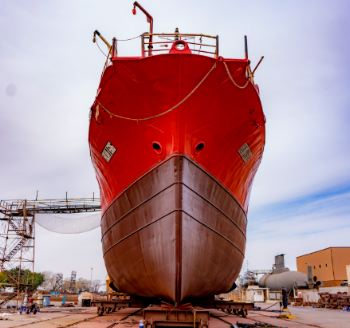
Jigger in Tandanor Shipyard
The Government's Plan to Expand the Squid Jigger Fleet in Argentine Waters Sparks Intense Debate Over Sustainability and Institutional Transparency
 ARGENTINA
Thursday, May 21, 2026, 00:10 (GMT + 9)
The proposal seeks to incorporate up to twenty vessels specialized in squid to curb foreign fishing at mile 201 but raises biological doubts and suspicions of corporate maneuverings
The Argentine Government is moving firmly forward with a strategic initiative to incorporate between 15 and 20 squid jigger vessels into the national registry. The objective declared by the authorities is to drastically strengthen the sovereign presence in the Argentine Sea, establishing an operational barrier against the massive and relentless foreign fleet located at mile 201. The regulatory proposal seeks to incentivize the sector by granting a longer extension on the terms of fishing permits, conditioning this benefit directly on the level of consolidated investments in onshore infrastructure.
This measure began to take shape formally in the month of February, when the Executive Branch formally consulted the Chamber of Argentine Squid Jigger Shipowners (CAPA) on the viability of expanding the fleet that currently operates within the Exclusive Economic Zone (EEZ). The response from the business entity, presided over by Juan Redini, was initially favorable, albeit subject to a strict condition: that the National Institute for Fisheries Research and Development (INIDEP) be consulted in a binding manner before making any definitive decision.
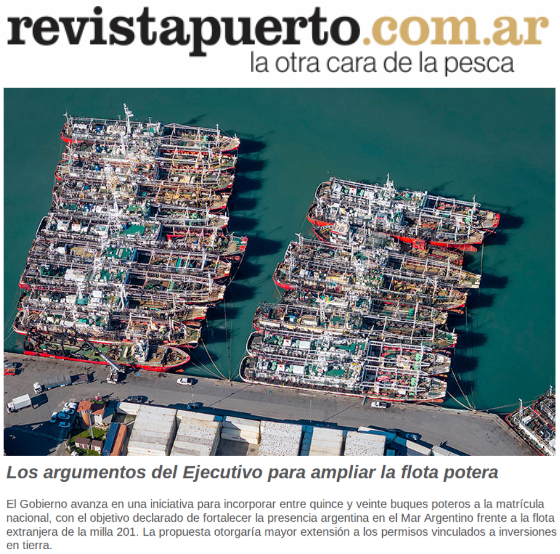
Cover of Revista Puerto
Likewise, CAPA expressly requested that the notable increase in real fishing effort that has occurred in recent years due to the technological modernization of the vessels be evaluated, a factor that exponentially raises their catching power, according Revista Puerto.
Sovereignty, Biological Yield, and the Momentum of a Record Season
Having passed nearly three months since that first round of consultations, the Executive formally announced to the members of the Federal Fisheries Council (CFP) that it is already drafting the definitive project. The official argumentation is sustained upon three fundamental pillars. The first is sovereign presence, based on the premise that a higher catch of the illex species within jurisdictional waters will function as a tool to discourage the activity of foreign fleets in the adjacent area.
 The second pillar responds to a biological-economic order. Currently, the squid jigger fleet has 84 operational vessels. The Government argues that there is a safe margin for expansion if one appeals to the historical "equilibrium number" established in the beginnings of the fishery, which fixed a maximum ceiling of 104 authorized boats. With this technical backing, they will seek to have the Council greenlight the entry of at least 15 new squid jiggers. Each company or local economic group would be enabled to present a single unit to the call. The second pillar responds to a biological-economic order. Currently, the squid jigger fleet has 84 operational vessels. The Government argues that there is a safe margin for expansion if one appeals to the historical "equilibrium number" established in the beginnings of the fishery, which fixed a maximum ceiling of 104 authorized boats. With this technical backing, they will seek to have the Council greenlight the entry of at least 15 new squid jiggers. Each company or local economic group would be enabled to present a single unit to the call.
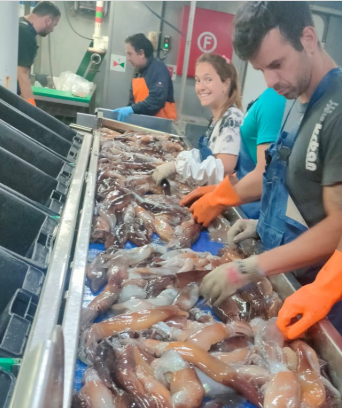
Researchers and technicians carrying out the evaluation campaign of the South Patagonian stock of the Argentine squid (Illex argentinus) -->
The third pillar is the recent excellent commercial performance. After two consecutive periods of abundant catches, the year 2025 marked a historic milestone by registering the landing of 203 thousand tons of squid, which represented an increase of 33% compared to the statistics of 2024. For the authorities, this scenario configures an optimal moment for expansion.
Scientific Alert: Despite the government's optimism over the 2025 records, the current year's campaign ignited critical alarms in the sector. Scientists failed to find the South Patagonian stock —the historical mainstay of the resource— and activity had to be suspended ahead of schedule due to the worrying absence of concentrations of the North Patagonian-Buenos Aires stock. It is expected that INIDEP will severely ponder these negative indicators before issuing its technical verdict.
Permit Scheme, Technical Specifications, and Value-Added Requirements
The design of the government project outlines two differentiated frameworks for the adjudication of fishing rights:
-
Permits of up to 10 years: For those vessels that do not possess their own processing plants, mandatorily requiring the signing of a commercial agreement with a third party that is the owner of a plant within national territory.
-
Permits of up to 30 years: For those firms that possess processing plants duly established in Argentina.
.jpg)
Many ships, originally Chinese, have taken the Argentine flag, forming part of the national fleet.
On the regulatory level, the legal requirement of an onshore reprocessing commitment of not less than 20% of the total catches of each project will be maintained. Although almost all of the projects in the fishery have already been unified under this same percentage, lax controls indicate that not all actors comply with it. A tightening of state inspections on this specific point could endow the measure with true social meaning, guaranteeing the creation and maintenance of employment in coastal fishing plants.
Regarding the technical restrictions of the units, a strict cap will be established on hold capacity, which may not exceed 1,300 cubic meters, additionally requiring a vessel age of less than 20 years from its construction. This clause validates the incorporation of used vessels; the only compensation stipulated for those who decide to build in national shipyards will be the granting of a more generous timeframe to formally join the registry, discarding additional extensions to the years of permit validity for the mere fact of investing locally.
.jpeg)
China is the only country in the world where the construction of jigging vessels continues
As a collateral geopolitical incentive, there will be an additional compensation for companies that decide to operate in the area adjacent to the EEZ. Those shipowners who accredit a minimum of 30 days of effective annual operation outside mile 200 may request an extraordinary extension of 1 year on their respective permits.
Institutional Interrogantes, Suspicions of Corruption, and the Need for a Holistic Approach
Despite the display of sovereign arguments, the comprehensive viability of the reform is tied exclusively to the final recommendation issued by INIDEP. While containing the depredation of the hundreds of foreign boats at mile 201 is a historical banner of various fisheries administrations, the technical community agrees that the scientific administration of biological resources is the most powerful tool the Argentine State possesses against illegal fishing.
.png)
Squid is a migratory species and is not limited to the EEZ of Argentina
The decision to add up to 20 new boats with a catching power immensely superior to that of the current aging fleet introduces profound doubts into the sector, especially when the fishery is currently undergoing an improvement program with a view toward international sustainability certification.

Internal sources and analysts raise serious questions about whether the official sovereignty arguments are genuine or if, on the contrary, the measure conceals a new scheme of perks and "backroom deals" directed among influential businessmen, public officials, members of the Federal Fisheries Council, and certain questioned technical cadres within INIDEP itself. This climate of distrust is fueled by recent and controversial precedents linked to the distribution of the hake quota, as well as by allegations of alleged directed manipulation in the preparation of technical reports "made to measure" to validate corporate interests.
Finally, specialists warn that both government authorities and business chambers are incurring a serious error of 'partial focus'. Planning the exploitation of the illex squid by limiting the analysis solely to the borders of the EEZ of Argentina lacks real sustainability. An effective and structural resolution to the problem demands a strictly holistic approach, which systemically incorporates the catches made in the Falkland Islands (Islas Malvinas) and the unregulated fishing effort executed in the contiguous international waters.
🇯🇵 Japanese (日本語)
アルゼンチン領海内におけるイカ釣り漁船団拡大に向けた政府計画が、持続可能性と組織の透明性をめぐる激しい論争を引き起こす
本提案は、マイル201における外国船団を抑制するためにイカに特化した漁船を最大20隻編入することを目指しているが、生物学的な疑問や企業側の画策に対する疑惑を生じさせている
アルゼンチン政府は、15隻から20隻のイカ釣り漁船を国家登記に編入するという戦略的取り組みを確実に前進させている。当局が表明した目的は、アルゼンチン海における主権的存在感を劇的に強化し、マイル201に位置する大規模で容赦ない外国船団に対する作戦上の障壁を構築することである。この規制提案は、漁業許可の期間をより長く延長することで同セクターにインセンティブを与えることを目指しており、この恩恵は陸上インフラへの統合された投資レベルに直接連動している。
この措置は、2月に行政府がアルゼンチンイカ釣り漁船主協会(CAPA)に対し、現在排他的経済水域(EEZ)内で操業している船団を拡大することの生存可能性について正式に意見を求めたことで、本格的に形になり始めた。フアン・レディーニが議長を務める同ビジネス団体の回答は、当初は好意的なものであったが、厳格な条件が付けられていた。それは、いかなる最終決定を下す前にも、国立漁業開発研究機関(INIDEP)に対して拘束力のある形で意見を求めなければならないということである。
同様に、CAPAは、近年における漁船の技術的近代化によって生じている実際の漁獲努力量の著しい増加を評価することを明示的に求めたが、レヴィスタ・プエルトによる調査によれば、これは漁船の漁獲パワーを飛躍的に高める要因となっている。
主権、生物学的収穫、そして記録的なシーズンの勢い
あの第1回目の一連の協議から約3ヶ月が経過し、行政府は連邦漁業評議会(CFP)のメンバーに対し、すでに最終的なプロジェクトを起草中であることを正式に発表した。公式な議論は、3つの基本的な柱に基づいている。1つ目は主権の存在感であり、管轄水域内におけるイルレックス種の漁獲量を増やすことが、隣接海域における外国船団の活動を抑止するための手段として機能するという前提に基づいている。
2つ目の柱は、生物学的・経済的な秩序に対応している。現在、イカ釣り漁船団には84隻の操業漁船がある。政府は、この漁業の黎明期に確立された、許可されたボートの最大天井を104隻と定めた歴史的な「平衡数値」に訴えるならば、拡大のための安全な余裕が存在すると主張している。この技術的な裏付けを持って、彼らは評議会に対し、少なくとも15隻の新しいイカ釣り漁船の参入にゴーサインを出すよう求める。各企業または地元の経済グループは、この募集に対して単一のユニットを提示することが認められる。
3つ目の柱は、近年の優れた商業的パフォーマンスである。2期連続の豊富な漁獲を経て、2025年はイカの水揚げが20万3千トンを記録するという歴史的な節目を迎え、これは2024年の統計と比較して33%の増加を示した。当局にとって、このシナリオは拡大のための最適な瞬間を構成している。
科学的警戒: 2025年の記録に対する政府の楽観論にもかかわらず、今年のキャンペーンは同セクターに重大な警報を鳴らした。科学者たちは、この資源の歴史的な大黒柱である南パタゴニア系群の発見に失敗し、北パタゴニア・ブエノスアイレス系群の濃密な群れの不在が懸念されたため、活動は予定より前倒しで停止されなければならなかった。INIDEPがその技術的な評決を下す前に、これらの否定的な指標を厳格に熟考することが期待されている。
許可制度、技術仕様、および付加価値要件
政府プロジェクトの設計は、漁業権の裁定に向けて2つの差別化された枠組みを概説している:
規制レベルでは、各プロジェクトの総漁獲量の20%を下回らない陸上での再加工義務という法的要件が維持される。この漁業におけるほぼすべてのプロジェクトがすでにこの同じ割合の下で統一されているものの、緩い取り締まりは、すべての関係者がそれを遵守しているわけではないことを示している。この特定の点に関する国家の検査の強化は、この措置に真の社会的意味を与え、沿岸の漁業工場における雇用の創出と維持を保証する可能性がある。
ユニットの技術的制限に関して、ホールド容量には厳格な上限が設定され、それは1,300立方メートルを超えてはならず、さらにその建造から20年未満の船齢であることが要求される。この条項は、中古の外国漁船の編入を正当化するものである。国内の造船所での建造を決定した者に対して規定されている唯一の補償は、登記に正式に加入するためのより寛大な時間枠の付与であり、単に現地で投資したという事実だけのために許可の有効年数への追加の延長を行うことは除外される。
副次的な地政学的インセンティブとして、EEZに隣接するエリアで操業することを決定した企業に対しては、追加の補償が存在する。マイル200の外側で年間30日間の実効的な操業を証明した漁船主は、それぞれの許可について1年間の異例の延長を申請することができる。
組織の疑問、汚職の疑惑、および包括的アプローチの必要性
主権に関する議論が誇示されているにもかかわらず、改革の包括的な生存可能性は、INIDEPによって発行される最終的な推奨事項のみに縛られている。マイル201における何百隻もの外国船の略奪を抑え込むことは、様々な漁業管理機関の歴史的な旗印である一方、技術コミュニティは、生物資源の科学的な管理こそが、違法漁業に対してアルゼンチン国家が保有する最も強力なツールであるということで一致している。
現在の老朽化した船団のそれよりもはるかに優れた漁獲パワーを持つ最大20隻の新しいボートを追加するという決定は、同セクターに深い疑問を導入しており、特にこの漁業が国際的な持続可能性認証の取得を目指した改善プログラムを現在経ている最中においてはなおさらである。
内部の情報源やアナリストは、公式の主権に関する議論が本物であるのか、あるいは逆に、この措置が、影響力のあるビジネスマン、公職者、連邦漁業評議会のメンバー、そしてINIDEP自体の内部で疑問視されている特定の技術的幹部らの間で差し向けられた、特権や「裏取引」の新しいスキームを隠蔽しているのではないかという深刻な疑問を提起している。この不信感の風潮は、メルルーサの割り当ての分配に関連する最近の議論を呼んだ前例や、企業の利益を正当化するために「あつらえ向きに作成された」技術報告書の作成において方向付けられた操作が行われたとされる疑惑によって煽られている。
最後に、専門家は、政府当局とビジネス商工会議所の双方が、部分的な焦点という重大な誤りを犯していると警告している。分析をアルゼンチンのEEZの境界のみに限定してイルレックスイカの開拓を計画することは、本当の持続可能性を欠いている。問題に対する効果的かつ構造的な解決は、厳格に包括的なアプローチを要求し、それはフォークランド諸島(マルビナス諸島)で行われた漁獲と、隣接する国際水域で実行される規制のない漁獲努力量をシステム的に組み込むものである。
一次データのオリジナルソース: レヴィスタ・プエルト(著者によるセクター別および状況分析の追加あり)。
🇨🇳 Simplified Chinese (简体中文)
政府扩大阿根廷海域鱿鱼钓船队计划引发关于可持续性与机构透明度的激烈辩论
该提案旨在将多达二十艘专门捕捞鱿鱼的渔船纳入国家登记册,以遏制201海里处的外国船队,但这也引发 ecological 方面的生物学质疑以及对企业暗中操纵的怀疑
阿根廷政府正在坚定地推进一项战略举措,将15至20艘鱿鱼钓渔船纳入国家登记册。当局宣布的目标是彻底加强在阿根廷海的主权存在,对位于201海里处庞大且无情的外国船队建立起一道行动屏障。该监管提案旨在通过延长捕捞许可证的期限来激励该行业,并将这一利益直接与陆上基础设施的综合投资水平挂钩。
该措施于二月开始正式成型,当时行政部门就扩大目前在专属经济区(EEZ)内作业的船队的可行性,正式咨询了阿根廷鱿鱼钓船东协会(CAPA)。由胡安·雷迪尼主持的该商业实体的回应最初是积极的,但带有严格 conditional 的限制条件:在做出任何最终决定之前,必须以具有约束力的方式咨询国家渔业研究与发展研究所(INIDEP)。
同样,根据《波多杂志》(Revista Puerto)的一项调查,CAPA明确要求评估近年来由于渔船技术现代化而导致的实际捕捞努力量的显著增加,这一因素呈指数级提高了它们的捕捞能力。
主权、生物产量以及创纪录季节的势头
自第一轮咨询过去近三个月后,行政部门正式向连邦渔业理事会(CFP)的成员宣布,它已经在起草最终项目。官方论证基于三个基本支柱。第一是主权存在,其前提是在管辖水域内提高对*柔鱼(illex)*物种的捕捞量,将起到遏制邻近海域外国船队活动的作用。
第二支柱回应了生物经济秩序。目前,鱿鱼钓船队拥有84艘作业渔船。政府认为,如果诉诸该渔业初期建立的历史“平衡数字”(该数字规定了最高104艘授权船只的天花板),那么就存在安全的扩张空间。有了这一技术支持,他们将寻求理事会批准至少15艘新鱿鱼钓船的进入。每个公司或当地经济集团将被允许向该呼吁提交一个单一的单位。
第三支柱是近期出色的商业表现。在连续两个时期的大量捕捞之后,2025年标志着一个历史性的里程碑,录得20.3万吨鱿鱼的卸货量,这与2024年的统计数据相比增加了33%。对于当局来说,这种情况构成了扩张的最佳时机。
科学警报: 尽管政府对2025年的记录感到乐观,但当年的捕捞季给该行业敲响了关键的警钟。科学家们未能找到南巴塔哥尼亚群体——该资源的传统支柱——并且由于令人担忧的北巴塔哥尼亚-布宜诺斯艾利斯群体密集度的缺失,活动不得不提前终止。预计INIDEP将在发布其技术裁决之前严格衡量这些负面指标。
许可证方案、技术规范和增值要求
政府项目的设计概述了捕捞权裁决的两个差异化框架:
在监管层面,每个项目的总捕捞量中不低于20%的陆上再加工承诺的法律要求将被维持。尽管该渔业中几乎所有的项目都已经在这一相同的百分比下进行了统一,但松懈的控制表明并非所有参与者都遵守了这一规定。国家在这一特定点上加强检查可能会赋予该措施真正的社会意义,确保沿海渔业工厂就业机会的创造和维持。
关于这些单位的技术限制,舱容将设定严格的上限,不得超过1300立方米,此外还要求渔船自建造之日起船龄小于20年。该条款使纳入外国二手渔船合法化;为那些决定在国家造船厂建造渔船的人规定的唯一补偿是,给予更宽裕的时间框架来正式加入登记册,而仅仅因为在当地投资而延长许可证有效期的做法被排除在外。
作为附带的地缘政治激励,对于决定在邻近专属经济区海域作业的公司,将存在额外的补偿。那些证明在200海里以外每年实际作业至少30天的船东,可以申请将其各自的许可证破例延长1年。
机构质疑、腐败嫌疑以及全面综合方法的必要性
尽管展示了主权论点,但改革的全面可行性完全取决于INIDEP发布的最终建议。虽然遏制数百艘外国船只在201海里处的掠夺是各个渔业管理部门的历史旗帜,但技术界一致认为,生物资源的科学管理是阿根廷国家应对非法捕捞的最强有力工具。
决定增加多达20艘新船,其捕捞能力远远优于目前老化的船队,这给该行业引入了深刻的疑问,特别是当该渔业目前正在经历一个旨在获得国际可持续性认证的改进计划时。
内部人士和分析家提出了严肃的质疑,即官方的主权论点是否真实,或者相反,该措施是否掩盖了在有影响力的商人、公职人员、连邦渔业理事会成员以及INIDEP内部某些受到质疑的技术骨干之间导向的特权和“幕后交易”的新阴谋。这种不信任的氛围因近期与鳕鱼(hake)配额分配相关的备受争议的前例,以及关于在准备“量身定制”的技术报告以验证企业利益的过程中存在所谓定向操纵的指控而愈演愈烈。
最后,专家警告说,政府当局和商业商会都在犯局部关注的严重错误。通过将分析仅仅局限于阿根廷专属经济区的边界来规划柔鱼的开发,缺乏真正的可持续性。对该问题有效且结构性的解决需要采用严格意义上的全面综合方法,该方法系统地将福克兰群岛(马尔维纳斯群岛)的捕捞量以及在毗邻的国际水域中进行的未受监管的捕捞努力量纳入进来。
[email protected]
www.seafood.media
|





 Print
Print