IN BRIEF - China to tighten japanese seafood quarantine
CHINA
Monday, July 10, 2023
Japan's nuclear power plant treated water to be released overseas
BEIJING - The Chinese government announced on the 5th that it plans to strengthen inspections and quarantines on seafood imported from overseas. The measure is said to be based on the Japanese government's plan to release treated water from the Tokyo Electric Power Company's Fukushima Daiichi Nuclear Power Plant into the ocean.
The International Atomic Energy Agency (IAEA) released a comprehensive report on the 4th, concluding that the plan to release treated water into the ocean is "consistent with international safety standards." However, Wang Wenbin, deputy spokesperson of China's Ministry of Foreign Affairs, said at a press conference on the 5th, "The report justifies the ocean discharge
Nissui reported that a systems failure has halted the inbound and outbound movement of goods managed by its logistics subsidiary Nissui Logistics, causing operational disruption across its distribution network in Japan.
TOKYO — A cyber incident has paralyzed the operations of Nissui Logistics, the logistics subsidiary of Japanese seafood and food giant Nissui, blocking the inbound and outbound movement of goods and triggering significant operational disruption across its distribution chain in Japan.
According to an official statement released on October 7, the disruption was linked to unauthorized third-party access to an external provider's data center used by the company. Nissui is also investigating whether any personal information or customer data was compromised or leaked during the breach.
The company stated that it is actively working to restore the affected systems, though it has not yet provided an estimated timeline for full recovery. It also did not disclose specific details regarding which warehouses, products, or volumes of goods have been affected by the shutdown.
The incident highlights the growing vulnerability of cold chains and food logistics infrastructure to digital disruptions, as companies increasingly rely on interconnected third-party networks to manage physical distribution.
The European Commission aims to reduce administrative burdens and boost competitiveness.
Until 31 October 2026, fishers, aquaculture producers, processors and traders can complete an anonymous 15-minute survey on licensing, inspections, traceability and reporting obligations to identify unnecessary or duplicate requirements across the seafood sector.
The Spanish-Portuguese longline fleet operates across three oceans.
At Conxemar, ORPAGU highlighted its swordfish and blue shark fisheries in the Atlantic, Indian and Pacific Oceans, its sustainable swordfish management project with Opromar, and the near doubling of capacity at its Tui cold-storage facility.
A fleet spanning three oceans and a team at the top of the rankings.
The marine engineering company is exploring broccoli processing operations in Mexico
Kinarca is celebrating forty years of charting a course alongside the fishing industry on its global journey. Founded in 1986 by Ramón Quintana, Narciso Argones, and José Rodríguez Castro, the Vigo-based company began as a small workshop specializing in refrigeration systems for the O Berbés fishing fleet; it has since established itself as a benchmark provider of thermal and metal-based solutions for fleets across the globe.
Author: Alejandra Pascual / La Voz de Galicia | Read the full article here
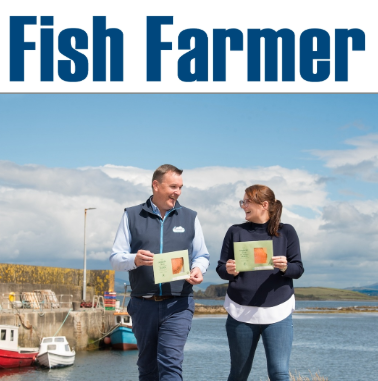
Marks & Spencer has teamed up with the Bantry-based Keohane Seafoods to launch a new Irish smoked salmon product.
Keohane’s Organic Irish Oak Smoked Salmon will be available in M&S stores across Ireland.
M&S said it had been developed exclusively for the retailer over three years, adding: “The premium ready-to-eat product represents a new collaboration between M&S and Keohane Seafoods, bringing together M&S’s commitment to quality with the expertise of Ireland’s largest seafood processor.”
Produced on Ireland’s south-west coast, the M&S Organic Irish Oak Smoked Salmon is carefully cured before being gently smoked over natural oak chips, creating what M&S describes as “a delicate texture and subtle smoky flavour”.
Author: Vince McDonagh / Fish Farmer | Read the full article here
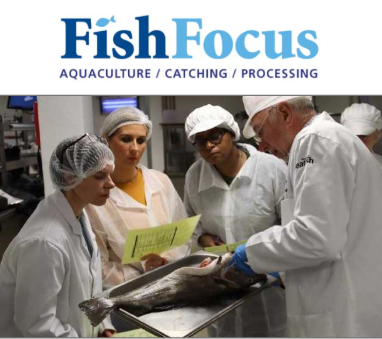
The 2026/2027 Seafish Annual Plan focuses on three strategic outcomes:
A safe and skilled workforce;
Smoother and expanding seafood trade;
A resilient supply chain.
Our onshore training work contributes to our safe and skilled workforce outcome. Training is vital to the success of seafood businesses. It ensures that employees are skilled, competent and safe at work.
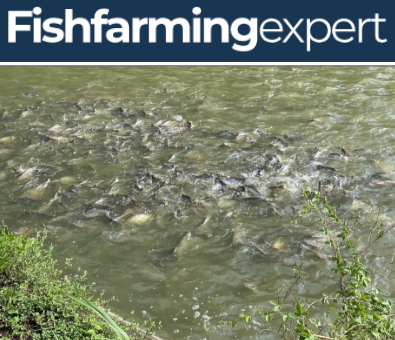
The University of Stirling’s Institute of Aquaculture (IoA) has secured £2.4 million for a major international project to tackle antimicrobial resistance (AMR) in Vietnam’s pangasius catfish industry.
Led by Professor Margaret Crumlish, the study will bring together experts from a diverse range of fields to develop practical alternatives to antibiotic use.
The 48-month transdisciplinary study explores the causes and complexity behind the AMR issues recognised in freshwater environments, including those used in aquaculture, alongside understanding barriers to alternative approaches being adopted.
Source: fishfarmingexpert | Read the full article here
FishSA warns rising diesel costs threaten fishing activity, jobs and food security.
Executive Chair Loyiso Phantshwa said fuel is among the sector’s largest costs.
Without government support, operators may reduce fishing or pass higher costs to consumers.Stop fishing, which would have a massive impact on the employment of seasonal and permanent staff
SalMar harvested 105,100 tonnes of salmon in the third quarter, with disease and fish welfare considerations affecting harvesting and costs in Central Norway towards the end of the period.
Harvesting linked to infectious salmon anaemia (ISA) and fish welfare affected the Central Norway division towards quarter-end and influenced cost development, according to the company’s October 6 trading update.
SalMar did not quantify the financial impact or provide regional cost figures.
Source: SalmonBusiness | Read the full article here
EU Moves to Shield Tuna Cannery Industry from Thai Competition European Union
European Commission Proposes Tariff Exemptions Conditional on Raw Material Caught Exclusively by Union Fleet
The European Union faces a decisive moment for the future of its fishing and processing se...
Oceanus peruvianus: when the Pacific was Peruvian Peru
A historical journey through the maritime prominence of Peru, from ancient indigenous navigation and the colonial viceroyalty era to the 200-mile declaration and the modern challenge of rebuilding a l...





 CHINA
CHINA.png)
(31).png)
 JAPAN
JAPAN.jpg)
 EUROPEAN UNION
.png) The European Commission aims to reduce administrative burdens and boost competitiveness.
The European Commission aims to reduce administrative burdens and boost competitiveness. SPAIN
SPAIN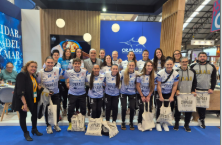 The Spanish-Portuguese longline fleet operates across three oceans.
.png) The marine engineering company is exploring broccoli processing operations in Mexico
The marine engineering company is exploring broccoli processing operations in Mexico NORWAY
.png)
 UNITED KINGDOM
 Keohane’s Organic Irish Oak Smoked Salmon will be available in M&S stores across Ireland.
 The 2026/2027 Seafish Annual Plan focuses on three strategic outcomes:
 VIET NAM
 The University of Stirling’s Institute of Aquaculture (IoA) has secured £2.4 million for a major international project to tackle antimicrobial resistance (AMR) in Vietnam’s pangasius catfish industry.
 SOUTH AFRICA
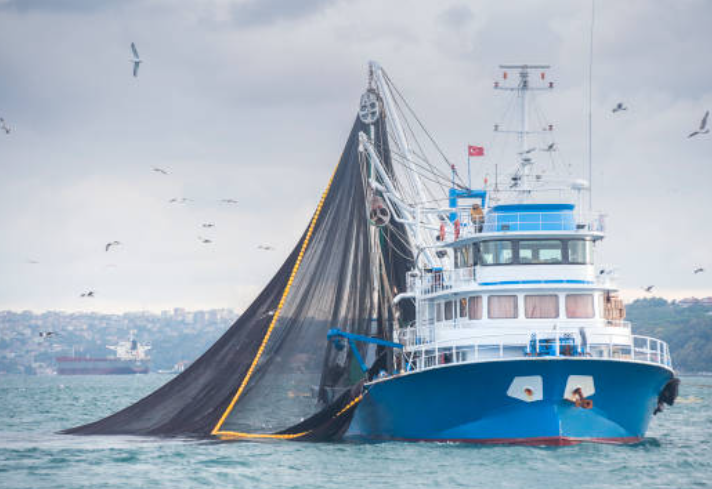 FishSA warns rising diesel costs threaten fishing activity, jobs and food security.
.png) SalMar
SalMar