IN BRIEF - Cumulative Imports of Frozen Squid Tube Decrease by 61% in June
SOUTH KOREA
Wednesday, July 17, 2024
In June 2024, the volume of frozen squid tube imported into South Korea totaled 1,832 tons, marking a 60% decrease compared to 4,557 tons imported during the same period in 2023. The cumulative import volume stands at 7,177 tons, down 61% from 18,534 tons in the previous year, accounting for 2% of the total import volume of 445,418 tons.
The breakdown of frozen squid body imports by country is as follows
China : 4,012 tons (56% of total)
Chile : 2,280 tons (32% of total)
Peru : 527 tons
Argentina : 167 tons
Indonesia : 118 tons
The import prices by country are
Argentina : USD 5.58/kg
China : USD 2.31/kg
Chile : USD 1.66/kg
In n June 2024, the import value of frozen squid tube amounted to USD 3.66 million, a 56% decrease from USD 8.39 million in the same period of 2023.
The cumulative import value stands at USD 15.33 million, down 57% from USD 35.52 million in the previous year.
By reference The domestic wholesale distribution price for frozen squid tube is set at 68,000 KRW for a 4kg bundle of Vietnamese.
An 18-month plan aims to reduce bureaucracy and improve transparency in federal waters.
Brazil's TCU, MPA, SPU, Navy and aquaculture representatives agreed on eight measures to accelerate project regularization, standardize requirements, coordinate agencies and introduce digital monitoring of applications.
The agreement establishes an action plan divided into eight areas, with defined responsibilities, deliverables, and deadlines.
Archipelagos calls for an investigation by the European Public Prosecutor's Office (EPPO).
The NGO identified 35 cases of alleged misuse of EU fisheries funding, reportedly supporting resorts, butcher shops and unrelated businesses. The Greek government denies wrongdoing, insisting the grants comply with EU rules.
The industry has organised its own trade delegation and is taking part in two more as it seeks to establish itself in a potentially massive market
Scotland’s salmon sector is making an enhanced effort to promote its products in India after the world’s most populous country opened the door to Scottish fish imports by scrapping a 33% tariff as part of a trade deal with the UK.
Scottish salmon is being promoted on three separate trade visits this month.
Author: Gareth Moore / fishfarmingexpert | Read the full article here
FAO-backed initiatives are helping Malagasy women improve fish processing, reduce losses, increase incomes and strengthen local fisheries value chains
Women working in Madagascar’s small-scale fisheries are improving their incomes and expanding market access through training, better processing equipment and stronger cooperatives, as efforts to implement national sustainable fisheries guidelines deliver practical benefits to coastal communities.
Small-scale fisheries account for at least 40% of global fisheries catches and support nearly 500 million people, making them vital to food security, nutrition and livelihoods, particularly in low- and middle-income countries.
Nigeria partners with Norway to strengthen maritime surveillance and combat IUU fishing.
Minister Adegboyega Oyetola announced cooperation under Norway's Blue Justice initiative, using satellite-based AIS tracking to detect illegal vessels, protect fish stocks, safeguard local jobs and reduce economic losses.
The estimated annual losses highlight the economic consequences of illegal fishing, which threatens jobs and investment across the fisheries value chain, including fish processing, storage, transportation and distribution.
Review aims to strengthen sustainability, traceability and certification transparency.
The MSC seeks feedback until December 8, 2026, on protected species (ETP), independent observers, electronic monitoring and audits.
Version 4 is scheduled for release in September 2027, taking effect six months later.
The process includes the MSC Fisheries Standard v3.1, the Fisheries Certification Process v3.1, and the Fisheries Standard Toolbox v1.2, following a final 30-day consultation in April 2027.
NOAA Fisheries has awarded 14 new grants through its Scallop Research Set-Aside Program.
The program was set up by the New England Fishery Management Council in 1999 and carves out part of the fishery’s landings to boats to carry out research projects.
The quota awards function as a financial incentive for boats to participate in the research; instead of getting paid directly, fishers get access to quota that will allow them to harvest more and make more money.This year, NOAA Fisheries is giving out 1.5 million pounds of Atlantic sea scallops as part of its program
Author: Chris Chase / SeafoodSource | Read the full article here
Princes welcomes progress on mackerel stocks but calls for long-term sustainability focus.
Latest scientific advice highlights encouraging signs for recovery, while underlining the importance of responsible sourcing decisions.
Princes welcomes the latest scientific advice on North-East Atlantic mackerel, describing signs of stock recovery as positive news for the seafood sector while warning that long-term sustainability challenges remain.
The latest assessment from the International Council for the Exploration of the Sea (ICES) shows an improvement in stock biomass and a significant increase in its recommended catch levels for 2027.
Regional cooperation to boost food security and jobs
Experts from 22 ATLAFCO member states met in Dakar, October 7–8, to promote sustainable aquaculture.
RAFAQUA and RAFISMER urged coordinated investment, research and infrastructure to offset declining fish catches, create jobs and strengthen food security.
Simeulue Consolidates a Direct Fresh Seafood Route to Japan Indonesia
The Indonesian island completes its second commercial shipment in two months, mobilizing octopus and fresh fish under strict sanitary standards and reinforcing its public cold chain as a key driver of...
Copyright 1995 - 2026 Seafood Media Group Ltd.| All Rights Reserved. DISCLAIMER





 SOUTH KOREA
(1).png) In June 2024, the volume of frozen squid tube imported into South Korea totaled 1,832 tons, marking a 60% decrease compared to 4,557 tons imported during the same period in 2023. The cumulative import volume stands at 7,177 tons, down 61% from 18,534 tons in the previous year, accounting for 2% of the total import volume of 445,418 tons.
In June 2024, the volume of frozen squid tube imported into South Korea totaled 1,832 tons, marking a 60% decrease compared to 4,557 tons imported during the same period in 2023. The cumulative import volume stands at 7,177 tons, down 61% from 18,534 tons in the previous year, accounting for 2% of the total import volume of 445,418 tons..png)
 ARGENTINA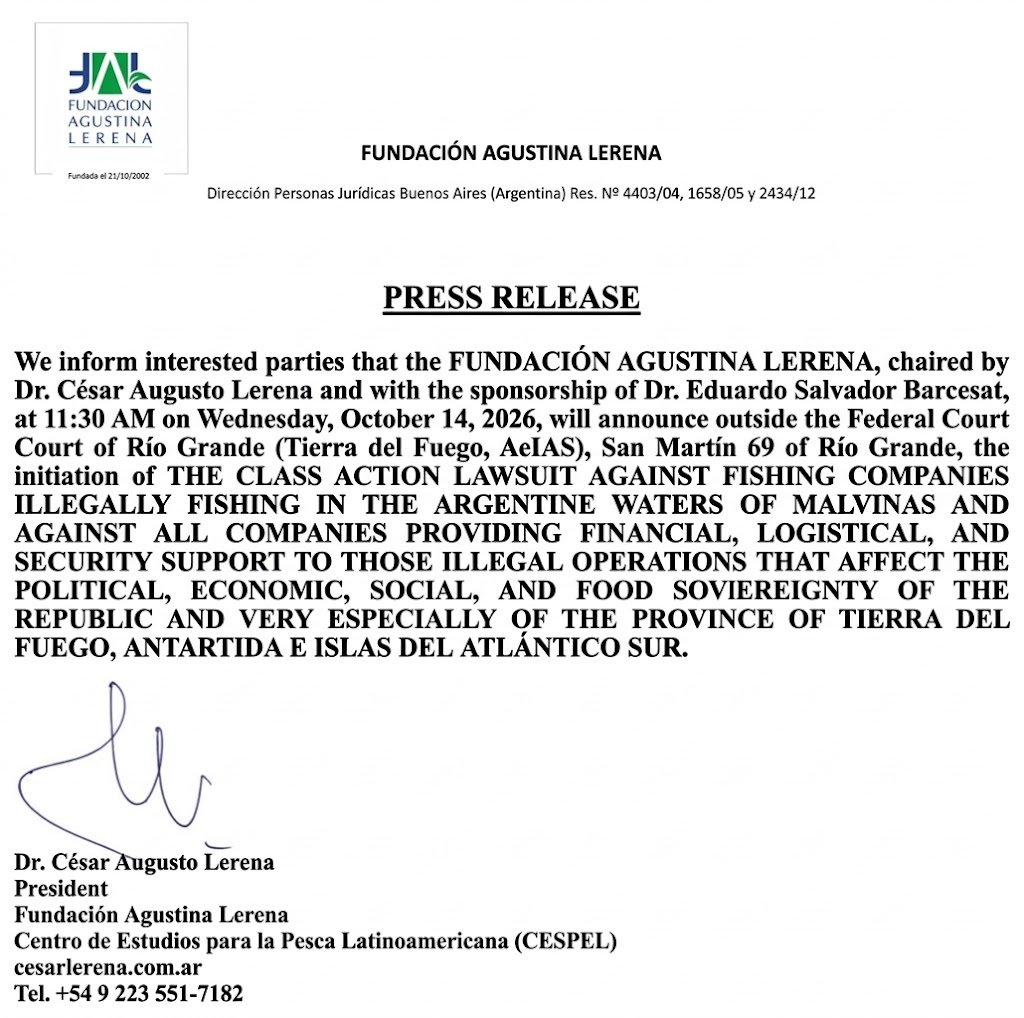
 BRAZIL
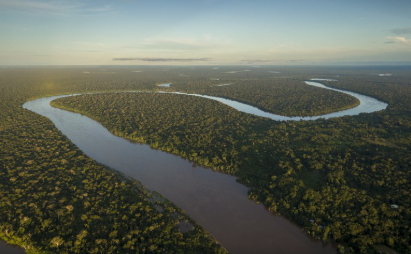 An 18-month plan aims to reduce bureaucracy and improve transparency in federal waters.
 GREECE
.png)
 INDIA
INDIA The industry has organised its own trade delegation and is taking part in two more as it seeks to establish itself in a potentially massive market
 MADAGASCAR
.png) Women working in Madagascar’s small-scale fisheries are improving their incomes and expanding market access through training, better processing equipment and stronger cooperatives, as efforts to implement national sustainable fisheries guidelines deliver practical benefits to coastal communities.
Women working in Madagascar’s small-scale fisheries are improving their incomes and expanding market access through training, better processing equipment and stronger cooperatives, as efforts to implement national sustainable fisheries guidelines deliver practical benefits to coastal communities. NIGERIA
 Nigeria partners with Norway to strengthen maritime surveillance and combat IUU fishing.
 UNITED KINGDOM
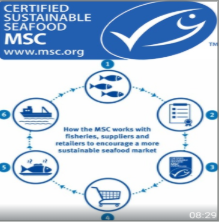 Review aims to strengthen sustainability, traceability and certification transparency.
 UNITED STATES
.png) NOAA Fisheries
NOAA Fisheries.png)
 SENEGAL
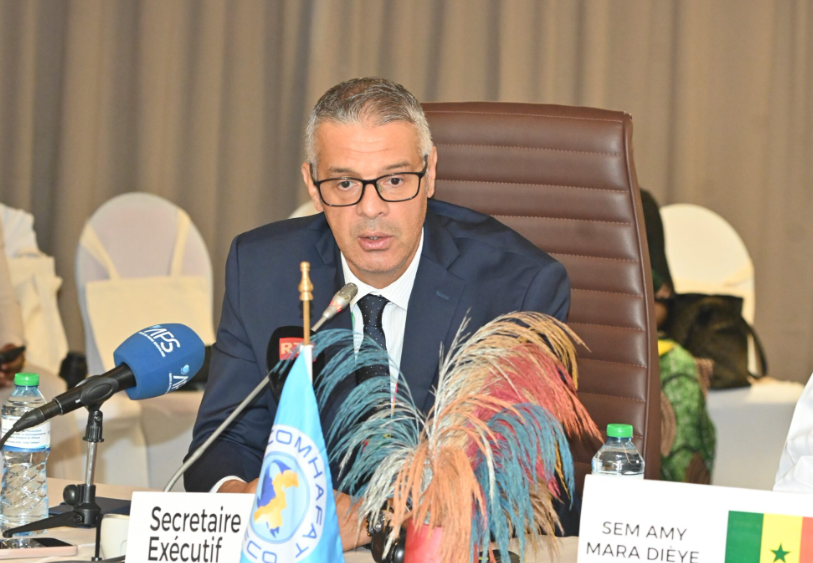 Regional cooperation to boost food security and jobs