IN BRIEF - Peru Extends SISESAT Installation Deadlines for Artisanal Fishing Fleet
PERU
Tuesday, February 11, 2025
Peru's Ministry of Production (PRODUCE) has announced extended deadlines for the installation of the Satellite Tracking System (SISESAT) on artisanal fishing vessels.
This decision aims to ease the economic burden on the artisanal fishing sector while simultaneously promoting formalization and improved fisheries management.
Vice Minister Jesús Barrientos stated that the extended deadlines strike a balance between sustainability and formalization, allowing for more effective monitoring and control of the fleet. The staggered implementation schedule, based on vessel hold capacity, will also aid in combating illegal fishing activities.
The new deadlines are as follows:
Vessels up to 10 m³ hold capacity: December 31, 2026
Vessels between 10 m³ and 20 m³ hold capacity: July 31, 2026
Vessels between 20 m³ and 32.6 m³ hold capacity: January 1, 2026
LASCAFAN backs federal technical committee and calls for sector overhaul
LASCAFAN urged Nigeria’s aquaculture committee to establish clear farming standards, improve affordable feed supply and strengthen industry-led research. President Olatoye Fajimi said standardisation could shift fish farming from subsistence toward commercial production.
The initiative thanks foreign workers for their contribution while giving visibility to their lives away from home
Singapore seafood supplier Catch Seafood is distributing free meals to migrant construction workers from India and Bangladesh, while asking about allergies and dietary preferences. Launched on August 25, the TikTok series highlights their work and family sacrifices; its third video surpassed 66,000 views.
Technology cooperation aims to boost fish production, water efficiency and food security
Indonesia plans to deploy 40,000 mini recirculating aquaculture systems (RAS) with Australia. Initially targeting tilapia and catfish, the program will later include pangasius, barramundi, grouper and jade perch, combining technology transfer, community development and more sustainable production.
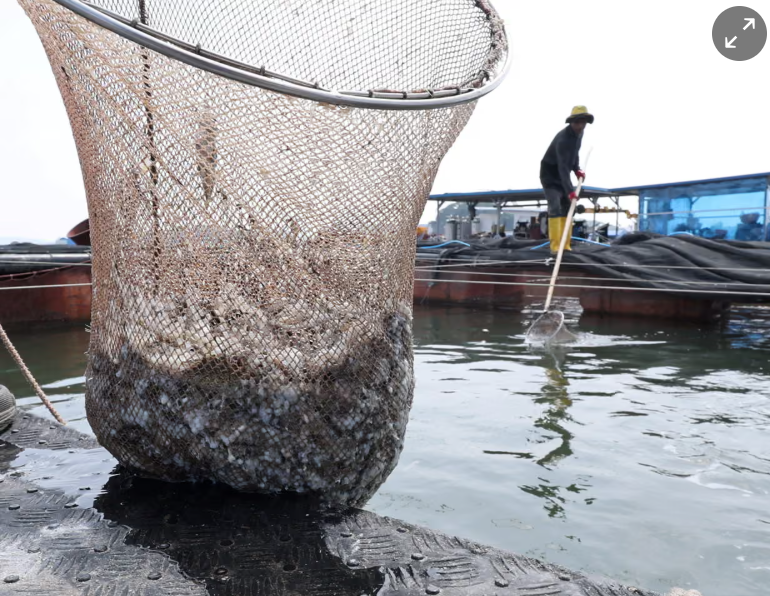
FAO targets 75% aquaculture growth by 2040, but experts warn of mounting pressure on marine resources
The FAO aims to boost global aquaculture production by 75% by 2040. Changing Markets Foundation estimates feed-intensive growth could consume 41.4 million tonnes of wild fish annually, or 46% of the 2020 global catch, mainly for fishmeal and fish oil used in salmon and shrimp farming.
Large-scale maritime operation safeguards fishing fleet after four-month summer moratorium
Fishing resumed on September 1 north of 35°N, with 26,000 vessels heading to fishing grounds. Under the 2026 Escort the Fishing Season Opening operation, authorities deployed 20+ patrol vessels, 30+ drones and 200+ officers across key waterways to prevent merchant-fishing vessel collisions and ensure safe navigation.The Yellow and Bohai Seas are home to a variety of advantageous industries, including shipping, fishing, and petrochemicals, resulting in frequent activity of merchant and fishing vessels and dense maritime traffic in these waters.
Joan Simonet, the Regional Minister for Agriculture, Fisheries, and the Natural Environment, has welcomed the European Commission's consideration of changes to the Multiannual Plan for Demersal Fisheries in the Western Mediterranean. The proposed changes aim to increase the number of fishing days allowed for trawlers, without having quotas constrained by the status of the most vulnerable species. This was one of the key demands jointly presented to the European Commissioner for Fisheries and Oceans, Costas Kadis, last May by Spain's five Mediterranean autonomous communities, according to a statement from the Regional Ministry.
Source: Europa Press / La Voz de Galicia | Read the full article here
Peru's Ministry of Production (Produce) has launched the "Sea of ??Opportunities 2026-2027" campaign, as part of the Roadmap for the Reactivation of Fisheries and Aquaculture. The campaign aims to inform the public about species whose availability has temporarily increased along the Peruvian coast due to oceanographic changes associated with the El Niño phenomenon. Developed using scientific information from the Peruvian Marine Institute (Imarpe), the initiative seeks to guide fishermen, distributors, restaurants, and consumers on new fishing alternatives, contributing to diversifying the product offerings and reducing pressure on species whose availability has decreased.The Minister of Production, Juan Carlos Requejo, explains that "El Niño is temporarily modifying the conditions of our sea and the presence of different species.
Source: Industrias Pesqueras | Read the full article here
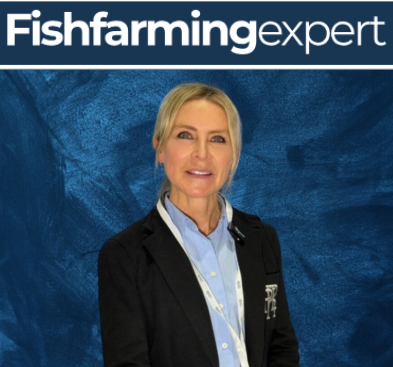
US firm wants seat at the table as it expands from Chile into Norway and Scotland
The Global Salmon Initiative (GSI) has announced that Sudvet Corp., an animal welfare company headquartered in Los Angeles, California, and specialising in botanical and biotechnological solutions for aquaculture, has joined as an associate member.
Sudvet develops botanical solutions aimed at reducing antibiotics and antiparasitic use in salmon farming. It offers a number of products that include AQ Bliss, a feed additive formulated with essential oils that is said to prevent fish stress during handling and help maintain the quality of the fish’s mucus.
Source: fishfarmingexpert | Read the full article here
Direct grants will offset higher fuel and fertiliser costs caused by the Middle East crisis
The European Commission approved Portugal’s €30 million scheme for agriculture, fisheries and aquaculture. Companies may receive up to €50,000, including €0.10/litre for agricultural or marine diesel consumed from April 1-June 30, 2026.
The plan aims to cut regulatory burdens while strengthening science-based fisheries management.
NOAA Fisheries unveiled priorities to expand domestic seafood production after input from more than 700 stakeholders. Reforms target sustainable fishing opportunities, stronger markets and infrastructure, processing capacity and tougher action against IUU fishing.





 PERU
PERU.png)
 NIGERIA
 LASCAFAN backs federal technical committee and calls for sector overhaul
 SINGAPORE
 INDONESIA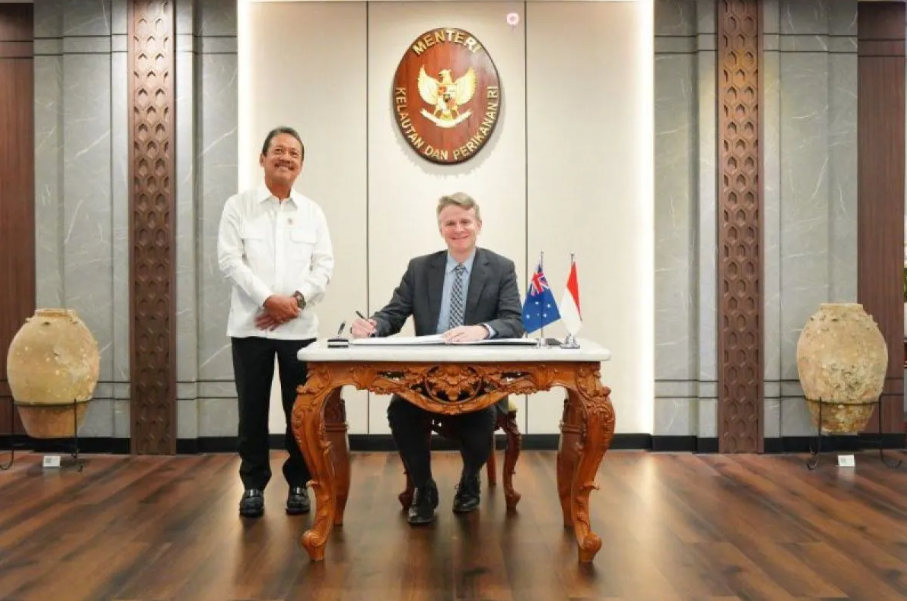
 WORLDWIDE
 FAO targets 75% aquaculture growth by 2040, but experts warn of mounting pressure on marine resources
 CHINA
CHINA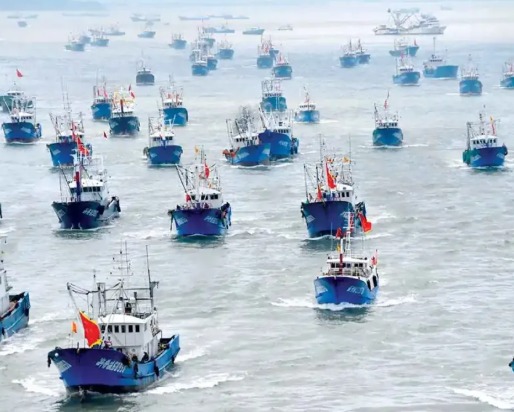 Large-scale maritime operation safeguards fishing fleet after four-month summer moratorium
 BELGIUM
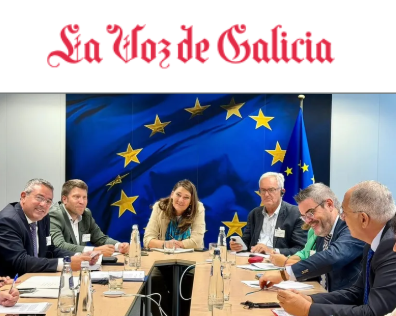 Joan Simonet, the Regional Minister for Agriculture, Fisheries, and the Natural Environment, has welcomed the European Commission's consideration of changes to the Multiannual Plan for Demersal Fisheries in the Western Mediterranean. The proposed changes aim to increase the number of fishing days allowed for trawlers, without having quotas constrained by the status of the most vulnerable species. This was one of the key demands jointly presented to the European Commissioner for Fisheries and Oceans, Costas Kadis, last May by Spain's five Mediterranean autonomous communities, according to a statement from the Regional Ministry.
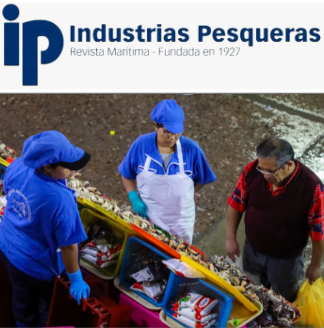 Peru's Ministry of Production (Produce) has launched the "Sea of ??Opportunities 2026-2027" campaign, as part of the Roadmap for the Reactivation of Fisheries and Aquaculture. The campaign aims to inform the public about species whose availability has temporarily increased along the Peruvian coast due to oceanographic changes associated with the El Niño phenomenon. Developed using scientific information from the Peruvian Marine Institute (Imarpe), the initiative seeks to guide fishermen, distributors, restaurants, and consumers on new fishing alternatives, contributing to diversifying the product offerings and reducing pressure on species whose availability has decreased.The Minister of Production, Juan Carlos Requejo, explains that "El Niño is temporarily modifying the conditions of our sea and the presence of different species.
 UNITED STATES
 US firm wants seat at the table as it expands from Chile into Norway and Scotland
 PORTUGAL
 Direct grants will offset higher fuel and fertiliser costs caused by the Middle East crisis