IN BRIEF - Japanese 'IWASHI' Sardines in California? A Shocking Discovery in the Pacific
UNITED STATES
Friday, March 14, 2025
We hear from the scientist who discovered Japanese sardines off the coast of California for the first time and discuss what it means for the future.
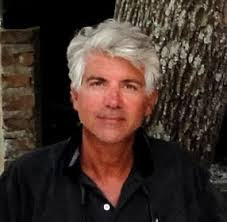
In 2022, Dr. Gary Longo detected Japanese sardines swimming in the eastern Pacific, off the coast of California. This was the first time they’d ever been seen here—their normal range is in the western Pacific from Korea to Russia, thousands and thousands of miles away. It was a shocking discovery. Sardines are incredibly important to the California current ecosystem and are a key forage fish across the globe.
On this episode of Dive In with NOAA Fisheries, we scratch at this mystery of Japanese sardine appearing in U.S. waters. How did they get here? What does it mean for the native Pacific sardine? Are they staying? (Spoiler alert: so far, yes.)
We hear from Dr. Longo, a research scientist at NOAA’s Southwest Fisheries Science Center and one of the authors of a new study documenting this discovery. The authors suggest marine heatwaves that warmed the North Pacific over the last decade might have opened a corridor of favorable habitat, which the Japanese sardines followed across the ocean.
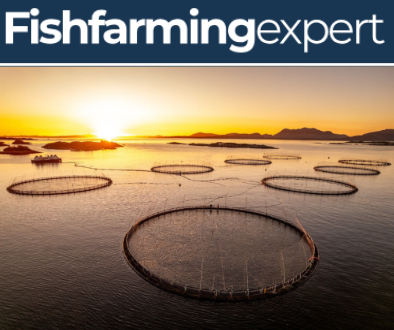
Nearly 7,000 verified environmental and social improvements were recorded at Aquaculture Stewardship Council-certified farms around the world in 2025, according to the ASC’s newly published 2025 Impact Report.
The report also reveals there were 2,543 ASC-certified farms across 51 countries operating last year, and that more than 2.9 million tonnes of ASC-certified seafood was produced, up 9% year-on-year.
The number of ASC-certified feed mill sites reached 91, up from 22 in 2024, and there were 30,236 ASC-labelled products available globally.
Source: fishfarmingexpert | Read the full article here
Regional agencies seek closer coordination on management, monitoring and control
Bulgaria and Romania discussed joint action with the GFCM and Ukraine, sharing expertise and improving fisheries management, inspections and monitoring across the Black Sea.
Measure targets imports and strengthens inspections and labeling
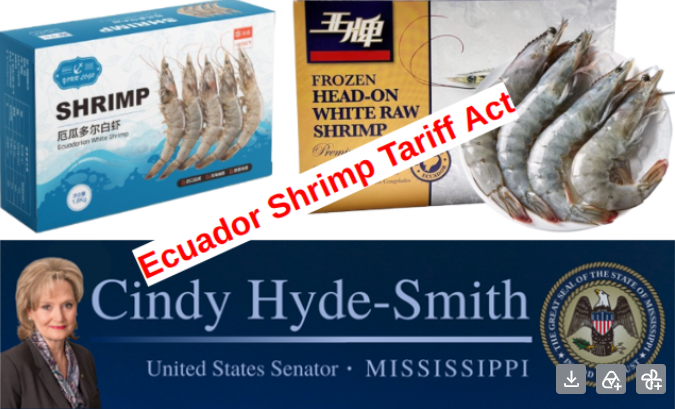
Sen. Cindy Hyde-Smith introduced the Ecuador Shrimp Tariff Act, proposing tariffs up to 40% by 2029 plus $0.10/kg to fund inspections and tighter origin labeling.
Ecuador, now supplying over 40% of U.S. shrimp imports, shipped 316 million lb in H1 2026.
The Galician company retains ownership of its frozen products division. The Ecuadorian firm, specializing in Vannamei shrimp, is advancing its expansion across Europe.
Nueva Pescanova has completed the sale of its chilled products business in France to the Ecuadorian group Omarsa, a specialist in the production and vertical integration of Vannamei shrimp. The transaction is part of a strategic asset review launched by the Galician seafood company earlier this year to improve efficiency and boost value creation following a return to profitability—posting a profit of €1.1 million on revenues of €1.035 billion.
Author: Alejandra Pascual / La Voz de Galicia | Read the full article here
Universo TUNI teaches primary pupils about fishing, oceans and responsible consumption
Bermeo Tuna World Capital launched Universo TUNI, a pilot educational project with UN Etxea and 3 Bermeo schools.Through 6 learning modules, pupils explore the tuna and albacore value chain, from fishing and science to processing and consumption, promoting environmental, social and economic sustainability.
Plan targets youth training, farm deployment and entrepreneurship
Olam Nigerian Limited seeks an NYSC partnership to deploy more corps members to aquaculture farms, especially in Kwara State. About 200 members already work with Olam.
The plan includes training, nationwide farmer placements and Bank of Industry support for graduates to launch businesses.
Norwegian regulators are moving towards a more coordinated inspection model for salmon farming.
The Norwegian Directorate of Fisheries and the Norwegian Food Safety Authority, Mattilsynet, said they had carried out a joint inspection campaign in production area 4, stretching from Nordhordland to Stad.
The operation was risk-based and brought the two agencies together to follow both fish and documentation across different parts of the production chain.
Source: SalmonBusiness | Read the full article here
Ross-shire firm highlights responsible growth as a model for aquaculture
Aquascot, based in Alness, became Scotland’s first seafood processor certified B Corp. The salmon and trout supplier to Waitrose says the milestone shows commercial success can combine with animal welfare, environmental management and responsible aquaculture.
Official figures reveal a huge increase in escaped farmed fish during 2025.
Scotland recorded 86,606 farmed fish escapes in 2025, up from just 301 in 2024. The surge was driven by about 75,000 salmon escaping into Loch Linnhe after storms damaged a Mowi farm. The figures have renewed concerns over interactions between escaped farmed salmon and vulnerable wild stocks.




 UNITED STATES
 In 2022, Dr. Gary Longo detected Japanese sardines swimming in the eastern Pacific, off the coast of California. This was the first time they’d ever been seen here—their normal range is in the western Pacific from Korea to Russia, thousands and thousands of miles away. It was a shocking discovery. Sardines are incredibly important to the California current ecosystem and are a key forage fish across the globe.
 WORLDWIDE
.png)
 Nearly 7,000 verified environmental and social improvements were recorded at
  BULGARIA
.png) Regional agencies seek closer coordination on management, monitoring and control
Regional agencies seek closer coordination on management, monitoring and control ECUADOR
 Measure targets imports and strengthens inspections and labeling
 SPAIN
SPAIN The Galician company retains ownership of its frozen products division. The Ecuadorian firm, specializing in Vannamei shrimp, is advancing its expansion across Europe.
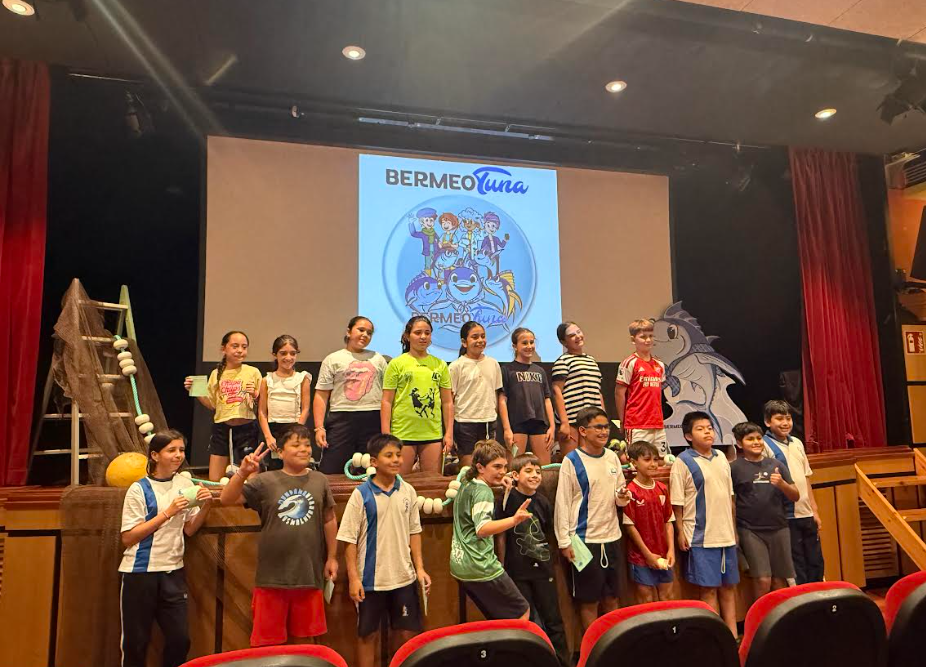 Universo TUNI teaches primary pupils about fishing, oceans and responsible consumption
 NIGERIA
 NORWAY
 Norwegian regulators are moving towards a more coordinated inspection model for salmon farming.
 UNITED KINGDOM
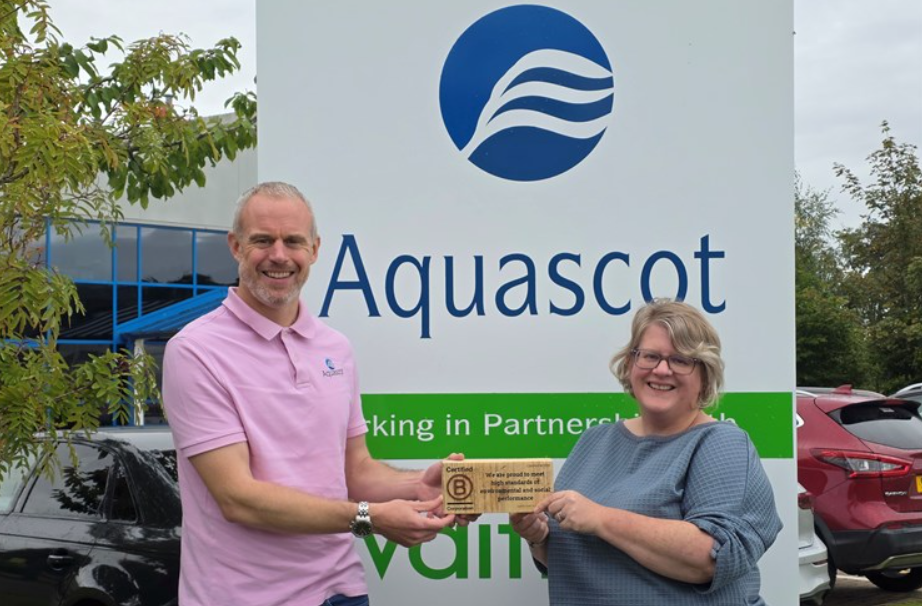 Ross-shire firm highlights responsible growth as a model for aquaculture
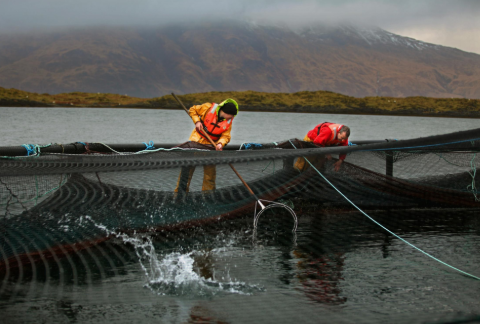 Official figures reveal a huge increase in escaped farmed fish during 2025.