Other Media | Fish Farmer: Aquafuture Spain 2025 programme is launched
SPAIN
Friday, April 25, 2025
Aquafuture Spain will be held in Vigo, Spain over 20-22 May 2025.
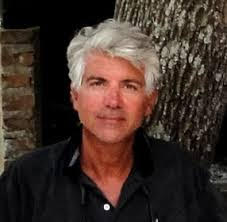
Taking part in the launch presentation were: Patricia García, Director General of Fisheries, Aquaculture, and Innovation, David Regades; Secretary of State for the Vigo Free Trade Zone, Luisa Sanchez; Vice President of the Pontevedra Provincial Council, Arsenio Prieto; Director of the IFEVI Trade Fair Center, Javier Fraga; Director of Abanca Mar; and Juan Lijó, Director of Aquafuture Spain.
The 3rd edition of Aquafuture Spain will feature 210 companies from 26 different countries, representing a 50% increase compared to the previous edition. Significant growth in international companies is highlighted, particularly by the 12 Chinese companies participating in the event for the first time.
The EU faces crucial negotiations to prevent disruption to fisheries cooperation.
Brussels will seek a last-minute agreement with Mauritania on Monday, November 9, aiming to preserve the fisheries partnership and maintain European fleet access to Mauritanian waters.
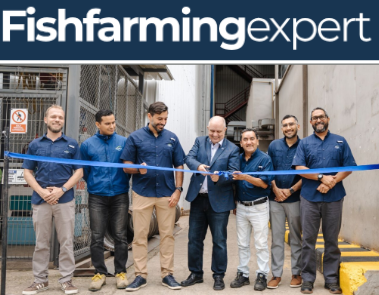
BioMar Ecuador has inaugurated the first phase of its production expansion project, strengthening its manufacturing capacity to support the growing demand for shrimp feed in Ecuador.
The inauguration took place on October 29 and marks another step in BioMar's continued investment in the Ecuadorian aquaculture industry, the company said in a press release.The inauguration follows BioMar’s announcement earlier this year of plans to increase production capacity at its Ecuadorian facility from 300,000 to 410,000 tonnes during 2026
Source: fishfarmingexpert | Read the full article here
The harvesting of these two species is carried out primarily by the artisanal fishing fleet
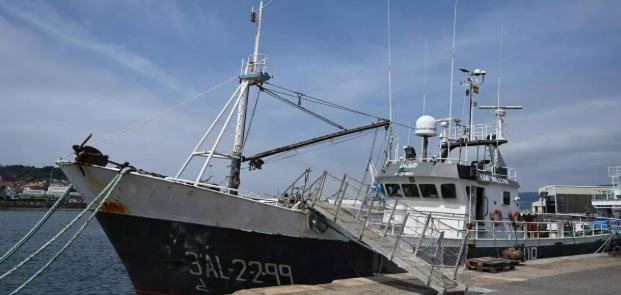
The Galician fleet will resume the harvesting of spider crab and brown crab today, now that the closed seasons for each species have ended. This was announced yesterday by the Xunta (Galician regional government) in a statement, which noted that, as of this Monday, the closed season—established under the 2026–2027 experimental management plan for these species, approved by the Department of Marine Affairs—has come to an end.
In the case of the spider crab, fishing will resume in zones A and B, which span from the mouth of the Miño River to Cape Corrubedo, and from that point to Estaca de Bares, respectively.
Source: La Voz de Galicia | Read the full article here
AKVA group, the world’s largest supplier of technology equipment and services to the global aquaculture industry, became a Japanese business today.
AKVA said in an Oslo Stock Exchange announcement today that that the Japanese industrial group Yanmar has acquired just over 92% of the outstanding shares in the Norwegian company, in a deal worth £466 million. This is more than the 90% required as a condition for compulsory redemption of the remaining shareholders.Yanmar said that it plans to carry out such a forced redemption, securing 100% of the shares in the business.
Author: Vince McDonagh /Fish Farmer | Read the full article here
Japanese seafood group Nissui has reported a slower-than-expected recovery at its recently acquired Chilean salmon business, as disease and poor growing conditions push up costs.
The company, which bought Chilean producer Pesquera Yadran for $133 million in January, said fish disease and low oxygen levels had caused higher mortality and slower growth at some farms.
The problems have reduced profits from Nissui's South American salmon operations, although the company expects conditions to improve before the end of the year.
Source: SalmonBusiness | Read the full article here
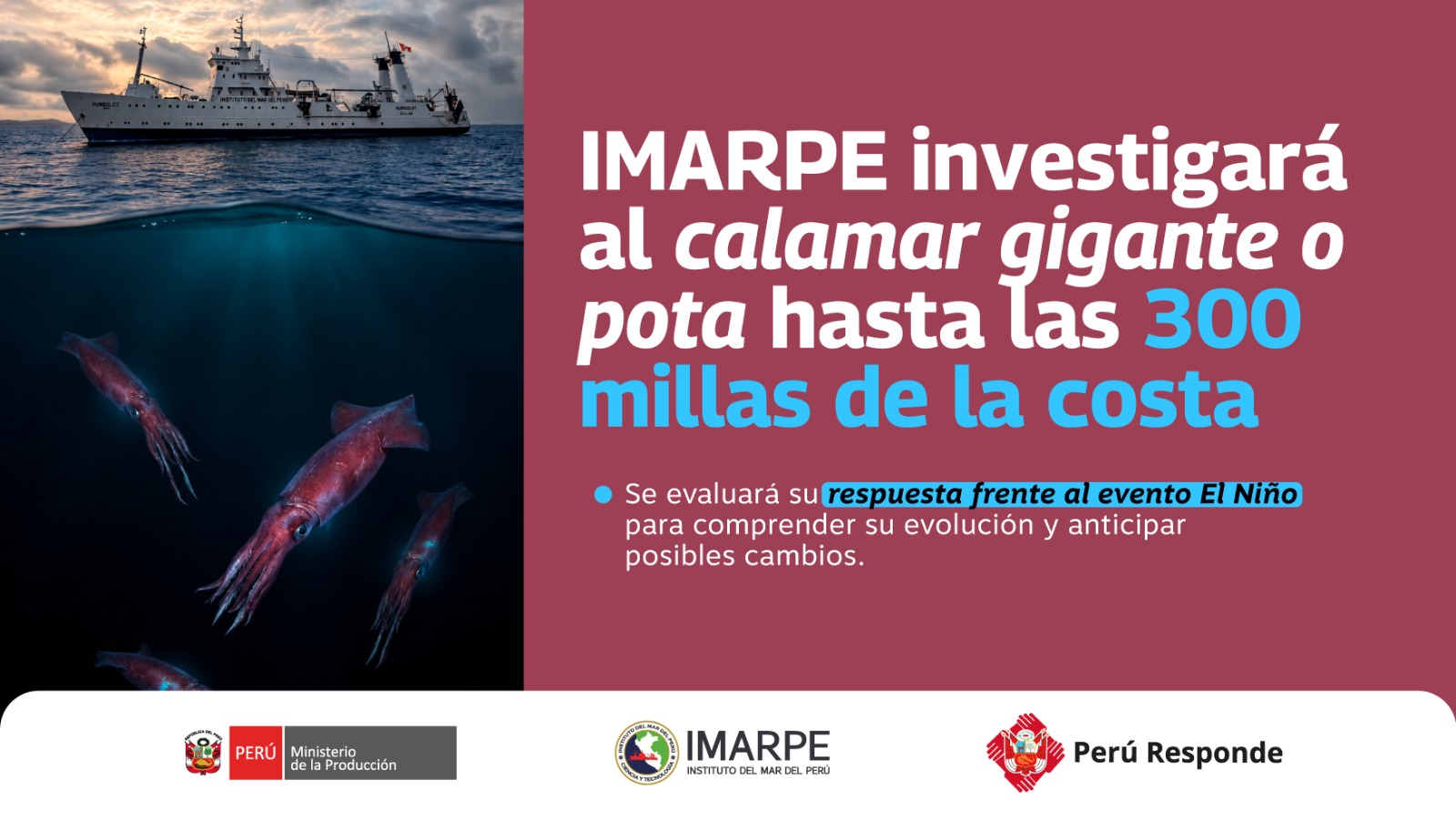
The Peruvian Marine Research Institute (IMARPE), an agency attached to the Ministry of Production (PRODUCE), is conducting the Jumbo Flying Squid (Dosidicus gigas) Research Cruise aboard the RV Humboldt from November 4 through December 15, 2026. The scientific campaign is assessing the distribution, relative abundance, and biological status of the resource in the context of the 2026-2027 El Niño event.
The expedition covers the coastline from Ilo to Paita, between 20 and 300 nautical miles offshore, operating up to the outer limit in coordination with the South Pacific Regional Fisheries Management Organisation (SPRFMO).
Using acoustic methods and fishing gear, specialists in biology, oceanography, and acoustics are analyzing size structures and the species' response to thermal variations and water masses. As Peru's second-largest hydrobiological resource and a pillar of the artisanal fleet and direct human consumption, the collected data will support catch projections and fishery management measures for 2027.
An 18-month project aims to cut costs and improve production efficiency.
The Ministry of Fisheries and Sultan Qaboos University will develop an AI-based system using underwater imaging to estimate fish biomass, analyse feeding behaviour and automate feeding.
Feed accounts for 50-70% of fish farms' operating costs.
Cage aquaculture boosts tourism and local incomes.
In Koh Yao Noi, Phang Nga, fishermen raise seven-colour spiny lobsters for 8-12 months, starting with 200-300 g juveniles.
Sold at 2,800 baht/kg to restaurants and hotels, production cannot meet demand. Cage farms also attract tourists, creating additional income for coastal communities.
The Northwestern Sri Lanka blue swimming crab fishery has achieved certification to the Marine Stewardship Council (MSC) standard, marking a first for the country, after over a decade of work.
The MSC announced the certification, which covers the wild capture of Portunus pelagicus, will apply to fishing in two areas off Sri Lanka’s northwestern coast in Palk Bay and the Gulf of Mannar. The certification follows a fishery improvement project (FIP) and covers small-scale fishers using bottom-set gillnets using traditional boats and small motorized vessels. The Seafood Exporters’ Association of Sri Lanka, with support from the then-U.S. National Fisheries Institute (now National Seafood Association) Crab Council, helped start the certification process in 2013 by bringing together stakeholders to work on improving the scientific data available on the blue swimming crab stock.
Author: Chris Chase / SeafoodSource | Read the full article here




 SPAIN
.png) Taking part in the launch presentation were: Patricia García, Director General of Fisheries, Aquaculture, and Innovation, David Regades; Secretary of State for the Vigo Free Trade Zone, Luisa Sanchez; Vice President of the Pontevedra Provincial Council, Arsenio Prieto; Director of the IFEVI Trade Fair Center, Javier Fraga; Director of Abanca Mar; and Juan Lijó, Director of Aquafuture Spain.
 BELGIUM
 ECUADOR
.png) The Galician fleet will resume the harvesting of spider crab and brown crab today, now that the closed seasons for each species have ended. This was announced yesterday by the Xunta (Galician regional government) in a statement, which noted that, as of this Monday, the closed season—established under the 2026–2027 experimental management plan for these species, approved by the Department of Marine Affairs—has come to an end.
 JAPAN

.png) Japanese seafood group
 PERU
 OMAN
 An 18-month project aims to cut costs and improve production efficiency.
 THAILAND
.png) Cage aquaculture boosts tourism and local incomes.
 TURKEY
 SRI LANKA
.png) The Northwestern Sri Lanka blue swimming crab fishery has achieved certification to the