IN BRIEF - Fisheries ministers renew commitment to sustainability and prosperity of Canadian fishing and aquaculture industry
CANADA
Friday, September 02, 2011
IQALUIT (Nunavut) – The Canadian Council of Fisheries and Aquaculture Ministers concluded their annual meeting on 2 September with discussions on the need for Canada to maintain a leading position in a changing global fishing industry. The meeting was co-chaired by the Honourable Keith Ashfield, federal Minister of Fisheries and Oceans and the Honorable Daniel Shewchuk, Minister of Environment for the Government of Nunavut.
“My colleagues and I are working together to support a more economically and ecologically sustainable Canadian fishing and aquaculture industry that will ensure the continued competitiveness of Canadian seafood products in domestic and international markets,” said Minister Ashfield. “We are cooperating to provide Canadian fish harvesters, processors and marketers with an operating environment characterized by stability, predictability, transparency and trust – where they can make more informed business decisions for the longer term.”
Discussions took place on the work already under way to maintain Canada’s leading position in a changing global fishing industry, where market dynamics, resource fluctuations and environmental changes are leading to profound shifts. Ministers also discussed how food traceability is becoming a global trend and how consumers – domestic and international – are asking for fish and seafood products that come from sustainable fisheries and aquaculture.
Dongwon Industries announced on September 22, 2026, that it has partnered with Busan Metropolitan City and the Large Purse Seine Fisheries Cooperative to host the "Taste of Busan Sea, K-Seafood Win-Win Pop-up" event.
The 6-day event will run from September 26 to October 1, 2026, on the B1 level of Hyundai Department Store Pangyo Branch.
Pacific Bluefin Tuna: A live daily breakdown show will feature top-grade Pacific bluefin tuna (Thunnus orientalis) weighing over 100 kilograms harvested off the coast of Busan, offered for limited retail sale.
Mackerel Promotion: The event will feature raw mackerel (Scomber japonicust), supplied by the Large Purse Seine Fisheries Cooperative, incorporated into specialized culinary items like sushi rolls and rice pot dishes to appeal to younger consumers.
The initiative aims to relieve financial pressure on local fishermen facing elevated operational costs while broadening consumer access to domestic South Korean seafood products.
MOSCOW — According to official industry data from Rosrybolovstvo (Federal Agency for Fisheries), Russian commercial fishermen harvested 3,585,500 tons of aquatic bioresources as of September 21, 2026.
Far Eastern Basin: Led national production with 2,841,600 tons. Key species included pollock (Gadus chalcogrammus) at 1,796,700 tons (+35,700 tons compared to 2025), Pacific herring at 526,900 tons (+128,800 tons), cod (Gadus macrocephalus) at 95,800 tons (+3,200 tons), and flounder at 52,200 tons.
Northern Basin: Recorded 256,900 tons, including 114,700 tons of Atlantic cod (Gadus morhua), 55,200 tons of haddock (+9,400 tons), and 14,100 tons of Baltic herring.
Other Basins: The Volga-Caspian Basin yielded 42,200 tons (14,400 tons of sprat), while the Azov-Black Sea Basin reached 21,600 tons (12,400 tons of anchovy).
The armain organizations OPPC3, OPPF4, and OPNAPA, representing the Spanish distant-water and high-seas fishing fleets based in Vigo, have urgently requested the Government of Spain to activate the Special Register to stem the ongoing loss of vessels, employment, and production capacity under the national flag.
In a formal petition addressed to Luis Planas (Minister of Agriculture, Fisheries and Food) and Óscar Puente (Minister of Transport and Sustainable Mobility), the producers' organizations delivered an analytical report titled "Evolution and loss of productive capacity of the Spanish distant-water and high-seas fleet. Non-Spanish fishing grounds. Period 2010–2025". The document highlights that the departure or scrapping of each Spanish vessel directly undermines port activity, ancillary industries, and direct and indirect jobs across Spain.
South Korea’s Ministry of Oceans and Fisheries named ZEROBASEONE ambassador for K-Seafood, promoting oysters, flatfish, abalone and seaweed. The campaign reached 700,000 views and 15,000 likes in five days and will expand across Asia and Europe from October.
Market ranks among South Korea’s top three for transparent seafood distribution
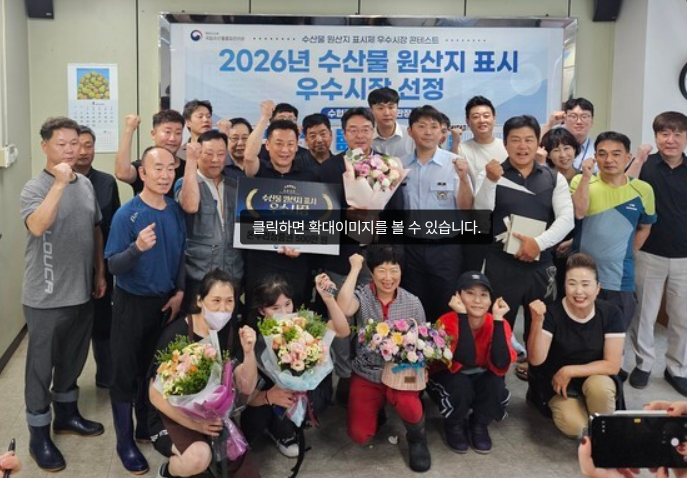
Suhyup Gwangju Market was selected among the top three markets nationwide in the 2026 Seafood Origin Labeling Contest, organized by the National Fishery Products Quality Management Service. It will receive an official award and KRW 5 million in vouchers for strengthening origin controls and consumer trust.
KKP says safeguarding fishers' rights and welfare is essential to responsible and sustainable fisheries.
Indonesia called on RPOA-IUU members to strengthen fishing crew protection, stressing links between IUU fishing, labour exploitation and unsafe working conditions. Cooperation with the ILO, implementation of ILO Convention No. 188 and stronger regional standards were highlighted.
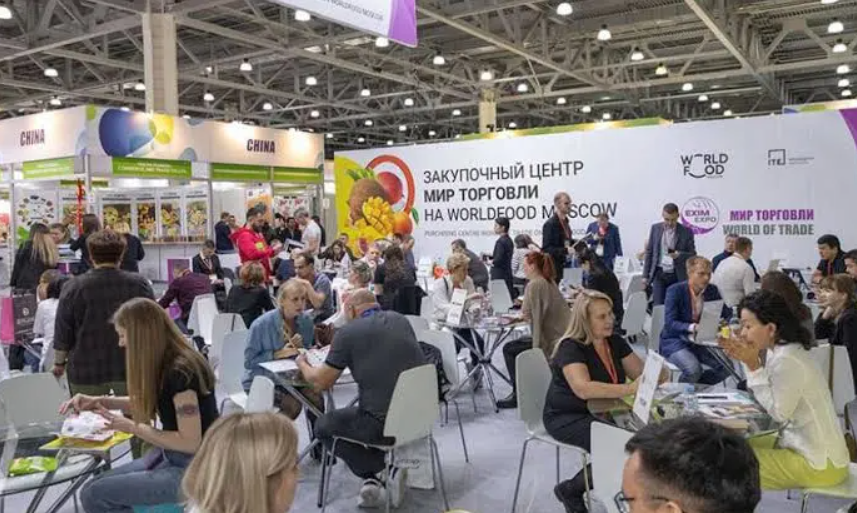
China remains the leading destination as Moscow seeks more value-added exports
Russia is strengthening fisheries ties with Asia and the Global South. Seafood exports reached about 2.0–2.1 million tonnes worth US$6.0–6.1 billion in 2025, with China taking 1.2 million tonnes worth US$3.4 billion. The strategy targets processing, aquaculture, logistics and technology.
India sees strong potential to expand the state's seafood industry
Minister Rajiv Ranjan Singh said West Bengal could boost fisheries exports from about US$522 million to US$1.57–2.09 billion, supported by higher aquaculture production, modern infrastructure, stronger value chains and greater access to international markets.
Jealsa leads in revenue, Nauterra strengthens its profitability, and Frinsa excels in industrial operations and private-label manufacturing, while Bolton expands its footprint across the entire international tuna supply chain.
Major Spanish canning groups approach the tuna business using vastly different corporate structures. Jealsa, Nauterra, and Frinsa have a combined turnover exceeding €2.3 billion based on their most recent available financial results, yet their outcomes reveal divergent strategies: ranging from fishery integration and proprietary brands to major retail contracts, or international sourcing and large-scale production.
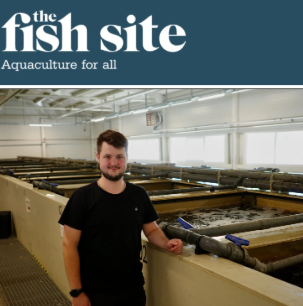
DiamondFish has built a high-tech RAS facility for a species unfamiliar to most European consumers, in one of the continent’s least fish-eating regions.
Central European countries such as the Czech Republic and Slovakia are accustomed to carp, trout and imported Atlantic salmon, when people eat fish at all. Each year, Czechs eat roughly 43 kilos of pork for only five to six kilos of fish, with consumption levels broadly similar in Slovakia.
It is in this environment that Slovakia-based DiamondFish began constructing a recirculating aquaculture system (RAS) farm in 2020 to rear a species not native to the region: African catfish (Clarias gariepinus).
Author; Emma Barbier / The Fish Site | Read the full article here
Norway Pelagic Fisheries Report, Week 38 Norway
Strong Gales and Autumn Storms Stifle Mackerel and Herring Fisheries Offshore and Along the Coast
Adverse autumn weather conditions halted fishing fleet operations in the Norwegian Sea, causing a sig...
SUNY Cobleskill Ag & Tech Joins Initiative to Fully Use Each Fish United States
New York institution becomes fourth research organization and 50th overall to sign the 100% Great Lakes Fish Pledge
(Cobleskill, New York) – SUNY Cobleskill Ag & Tech has signed the 100% Gr...
Copyright 1995 - 2026 Seafood Media Group Ltd.| All Rights Reserved. DISCLAIMER




 CANADA
 SOUTH KOREA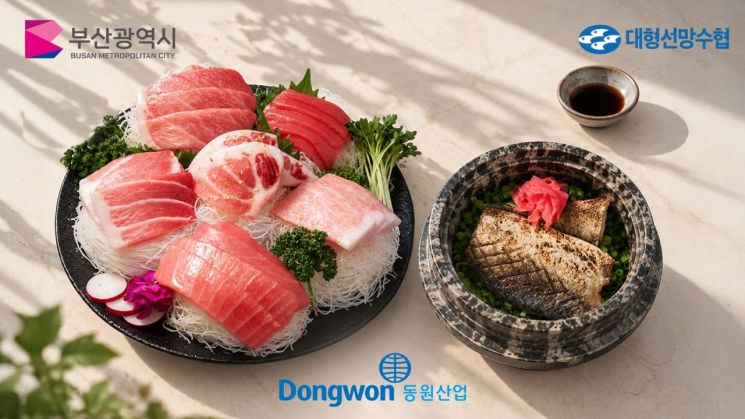
 RUSSIAN FEDERATION
.png) Far Eastern Basin: Led national production with 2,841,600 tons. Key species included pollock (Gadus chalcogrammus) at 1,796,700 tons (+35,700 tons compared to 2025), Pacific herring at 526,900 tons (+128,800 tons), cod (Gadus macrocephalus) at 95,800 tons (+3,200 tons), and flounder at 52,200 tons.
Far Eastern Basin: Led national production with 2,841,600 tons. Key species included pollock (Gadus chalcogrammus) at 1,796,700 tons (+35,700 tons compared to 2025), Pacific herring at 526,900 tons (+128,800 tons), cod (Gadus macrocephalus) at 95,800 tons (+3,200 tons), and flounder at 52,200 tons. SPAIN
SPAIN
.png)
 Market ranks among South Korea’s top three for transparent seafood distribution
 INDONESIA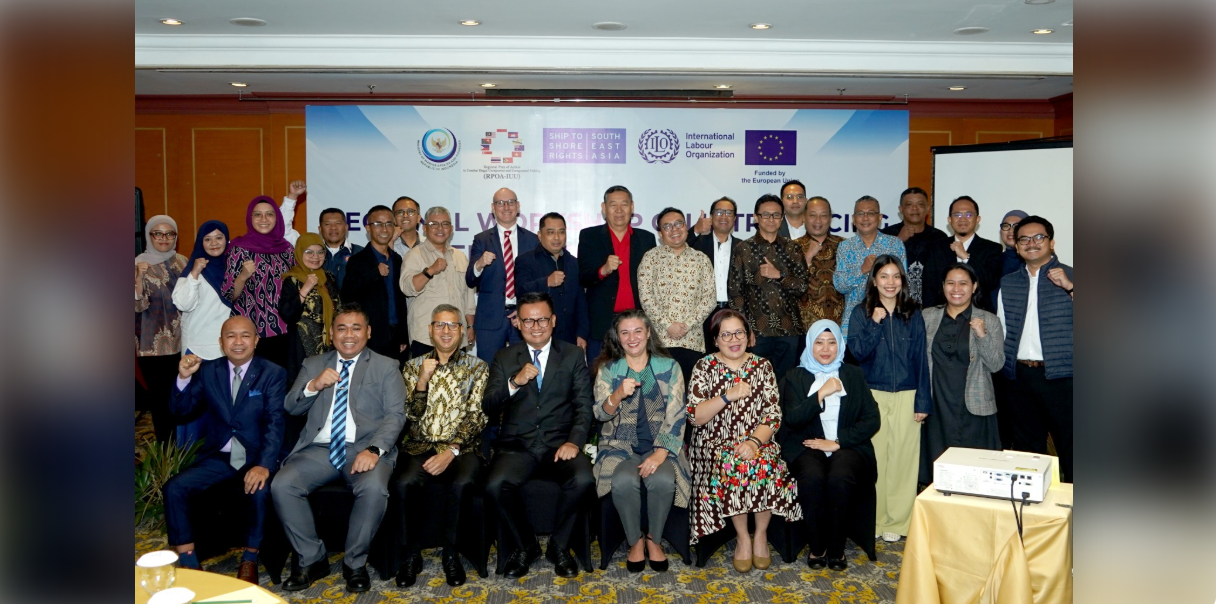
 China remains the leading destination as Moscow seeks more value-added exports
 INDIA
INDIA.png)
.png)
 CZECH REPUBLIC
 DiamondFish has built a high-tech RAS facility for a species unfamiliar to most European consumers, in one of the continent’s least fish-eating regions.