|
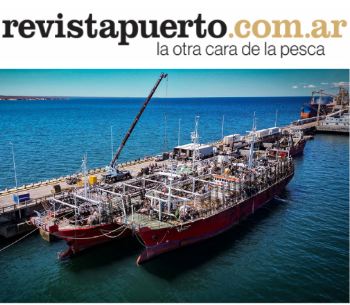
Photo: Revista Puerto/FIS
Argentina Doubles Squid Landings and Posts a Historic Start to the South Atlantic Season
 ARGENTINA
Wednesday, March 04, 2026, 00:10 (GMT + 9)
With more than 112,000 tons in seven weeks, Argentine Illex surges 99% year-on-year and reshapes the international fisheries landscape
Argentine squid (Illex argentinus) has emerged as the undisputed protagonist of the 2026 season in the Southwest Atlantic. As of February 24, cumulative landings reached 112,732 tons, representing a 99% increase compared to the same period in 2025, marking one of the strongest starts in recent years.

Photo: Stockfile/FIS
According to information published by Roberto Garrone in Revista Puerto, through week 7 of the season, average daily yields stood at 36.3 tons, with weekly peaks well above that level.
Strong Performance by the Jigger Fleet
Meanwhile, the trawler fleet added 16,500 tons, of which 15,354 tons came from freezer vessels, representing an 87% increase over the previous season.
These figures confirm a scenario of high resource availability during the opening weeks of the fishery.

Photo: Revits Puerto
Meanwhile, the trawler fleet landed 16,500 tons, of which 15,354 tons were from freezer trawlers, representing an 87% increase compared to the previous season.
These figures confirm a scenario of high resource availability in the first weeks of activity, with levels of abundance rarely seen in recent cycles.
Exceptional Yields on the Mid-Shelf
INIDEP (National Institute for Fisheries Research and Development) Technical Report 05/26 analyzed activity between January 2 and February 18, covering the first seven weeks of the season.
Fishing operations concentrated mainly between 44°S and 48°S and 62°W and 64°W.

Rectangle 4563 accounted for 43.6% of total catch, totaling 35,262 tons, with an average of 43 tons per day. It was followed by:
-
Rectangle 4663: 16,433 tons (20.3%).
-
Rectangle 4562: 11,935 tons (14.8%).
Between week 2 and week 6, yields exceeded 37 tons per day, peaking in week 4 at 47 tons per day.
In week 7, average CPUE declined to 29 tons per day, although this figure was considered preliminary.
Summer Spawning Stock: A Biological Key Factor

Scientific analysis included data from 10 onboard observers who participated in 13 trips, processing 184 samples totaling 27,449 specimens captured between 44°S and 47°S.
Specimens ranged from 10 to 31 centimeters in length, with an average weight of 184 grams. 83% were in reproductive maturity, identifying them predominantly as part of the Summer Spawning Stock (SSS).
This information is critical for fisheries management, confirming that the reproductive fraction of the stock sustained the high initial yields.
Foreign Fleet Pressure Along the EEZ Boundary
The report also estimated the presence of 230 foreign jigger vessels between weeks 1 and 7, operating mainly in rectangle 4560, with estimated catches of 18,813 tons.
From week 5 onward, up to 31 foreign vessels were detected within the Exclusive Economic Zone (EEZ) disputed with the United Kingdom, primarily in rectangle 4961.
During week 7, the number rose again to a maximum of 90 jiggers, concentrated in rectangle 5062, with estimated catches of 1,200 tons.
The high availability of the resource has intensified international fishing pressure in the South Atlantic.
Impact on Argentina’s Main Ports
The abundance of squid was also reflected in port landings:
-
Puerto Madryn: 53,995 tons (+96%).
-
Puerto Deseado: 35,025 tons (+74%).
-
Mar del Plata: 20,413 tons (+154%).

Photo: Stockfile/FIS
The increase is driving logistics, onshore processing, seasonal employment, and exports.
Impact on the International Market

Argentina remains one of the world’s leading suppliers of Illex argentinus, with more than 90% of production destined for export, primarily to China, South Korea, Japan, and the European Union.
An increase of nearly 100% in the opening weeks not only affects domestic statistics but also has a direct impact on global supply, price formation, and procurement dynamics in Asian and European markets.
If strong yields continue in the coming weeks, the 2026 season could consolidate as one of the best of the past decade for Argentina’s jigger sector, with direct implications for the international squid trade.
Related New:


.jpg)


.jpg)
.jpg)
🇯🇵 日本語版
アルゼンチン、イカ水揚げ量を倍増し南西大西洋で歴史的な漁期開始
7週間で112,000トン超、アルゼンチン・イレックスは前年比99%増を記録し国際漁業市場を揺るがす
アルゼンチンイカ(Illex argentinus)は、2026年シーズン初動において南西大西洋の主役としての地位を確立した。2月24日時点の公式統計によれば、累計水揚げ量は112,732トンに達し、2025年同時期比で99%増となり、近年でも最も力強い漁期スタートの一つとなった。
Revista Puertoに掲載されたRoberto Garroneの情報によると、第7週までの操業で平均漁獲量は1日当たり36.3トンに達し、週ごとのピークではこの水準を大きく上回った。
ポーター船団の力強い操業成績
水揚げ増加は主にポーター船団の好調な成績によるもので、96,132トンを水揚げし、前年比102%増を記録した。
一方、トロール船団は16,500トンを水揚げし、そのうち15,354トンは冷凍船によるもので、前季比87%増となった。
これらの数値は、漁期初期における資源の高い利用可能性を裏付けている。
中部大陸棚での卓越した漁獲実績
INIDEP(国立水産研究開発研究所)の頭足類プログラム技術報告書05/26は、1月2日から2月18日までの活動を分析し、漁期最初の7週間を対象とした。
操業は主に南緯44度から48度、西経62度から64度の海域に集中した。
漁区4563は総漁獲量の43.6%を占め、35,262トン、1日平均43トンを記録した。続いて:
-
漁区4663:16,433トン(20.3%)。
-
漁区4562:11,935トン(14.8%)。
第2週から第6週にかけて、漁獲効率は1日37トン超を維持し、第4週には1日47トンという最高値を記録した。
第7週にはCPUE平均値は1日29トンに低下したが、報告書はこれを暫定値としている。
夏季産卵群:生物学的な鍵
科学的分析には、10名の船上オブザーバーが参加し、13航海で収集された184サンプル、計27,449個体が検証された。
個体の体長は10〜31センチメートル、平均体重は184グラムであり、**83%が成熟・産卵状態にあり、主に夏季産卵群(SDV)**と特定された。
このデータは漁業管理の観点から重要であり、初期の高い漁獲効率を支えたのが生殖個体群であったことを確認している。
ZEE境界における外国船の圧力
報告書はまた、第1週から第7週の間に230隻の外国ポーター船の存在を推定し、主に漁区4560で操業し、推定漁獲量は18,813トンであった。
第5週以降、英国と係争中の排他的経済水域(ZEE)内で最大31隻の外国船が確認され、主に漁区4961で操業した。
第7週には最大90隻に増加し、主に漁区5062で操業、推定漁獲量は1,200トンに達した。
資源の高い利用可能性は、南大西洋における国際的な漁業圧力を強めている。
アルゼンチン主要港への影響
豊富な漁獲は港湾水揚げにも反映された:
-
プエルト・マドリン:53,995トン(+96%)。
-
プエルト・デセアード:35,025トン(+74%)。
-
マル・デル・プラタ:20,413トン(+154%)。
この増加は物流、加工、雇用、輸出に直接的な影響を与えている。
国際市場への影響
アルゼンチンはIllex argentinusの主要供給国の一つであり、生産量の90%超を中国、韓国、日本、欧州連合へ輸出している。
初期段階での約100%増は、国内統計にとどまらず、世界供給、価格形成、アジアおよび欧州市場の調達動向にも直接的な影響を及ぼす。
今後数週間も高い漁獲効率が維持されれば、2026年シーズンはアルゼンチンのポーター部門にとって過去10年で最良の年の一つとなる可能性がある。
🇨🇳 简体中文版
阿根廷鱿鱼卸港量翻倍,南大西洋迎来历史性开局
七周突破112,000吨,阿根廷Illex同比增长99%,震动国际渔业市场
阿根廷鱿鱼(Illex argentinus)已成为2026年西南大西洋捕捞季的绝对主角。截至2月24日,累计卸港量达到112,732吨,较2025年同期增长99%,成为近年来最强劲的开局之一。
根据Revista Puerto发布的Roberto Garrone提供的信息,截至第7周,平均日产量达到36.3吨,周度峰值远高于这一水平。
钓船船队表现强劲
增长主要来自钓船船队,其卸港量达到96,132吨,同比增长102%。
与此同时,拖网船队卸港16,500吨,其中15,354吨来自冷冻船,同比增长87%。
这些数据表明,在捕捞初期资源供应极为充足。
中部陆架创纪录产量
INIDEP(国家渔业研究与发展研究所)《头足类技术报告05/26》分析了1月2日至2月18日的作业数据,涵盖前七周。
作业主要集中在南纬44°至48°、西经**62°至64°**之间。
区块4563占总捕捞量的43.6%,达到35,262吨,平均43吨/日。其次为:
-
区块4663:16,433吨(20.3%)。
-
区块4562:11,935吨(14.8%)。
第4周达到最高值47吨/日。
第7周平均CPUE下降至29吨/日,但为初步数据。
夏季产卵群:生物学关键
共有10名船上观察员参与13个航次,分析184份样本、共计27,449尾个体。
体长10至31厘米,平均体重184克,其中83%处于成熟繁殖阶段,被认定为夏季产卵群(SDV)。
专属经济区边缘的外国船队压力
估计在第1至第7周期间有230艘外国钓船活动,主要集中在区块4560,估计捕捞量为18,813吨。
第5周后,在与英国存在争议的专属经济区(ZEE)内最多发现31艘外国船只。
第7周增至90艘,估计捕捞量1,200吨。
阿根廷主要港口影响
-
马德林港:53,995吨(+96%)。
-
德塞阿多港:35,025吨(+74%)。
-
马德普拉塔:20,413吨(+154%)。
增长带动物流、加工、就业及出口。
国际市场影响
阿根廷是Illex argentinus的主要供应国之一,超过90%出口至中国、韩国、日本和欧盟。
接近**100%**的增长不仅影响国内统计,也对全球供应、价格形成以及亚洲和欧洲市场产生直接影响。
如果强劲产量持续,2026年或将成为过去十年中最佳鱿鱼季之一。
[email protected]
www.seafood.media
|
|





 Print
Print