|
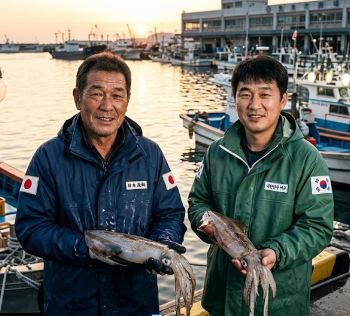
Supply shortages in Japan and South Korea push governments and fishing fleets to search farther afield for the prized cephalopod
Global Squid Crunch: Japan and South Korea Race Across Oceans as the 'Golden Squid' Crisis Reshapes the Seafood Market
 WORLDWIDE WORLDWIDE
Wednesday, March 11, 2026, 00:10 (GMT + 9)
Rising prices in Japan and Korea, shrinking catches, and a new push into the Southwest Atlantic are turning squid into one of the most contested seafood resources in Asia.
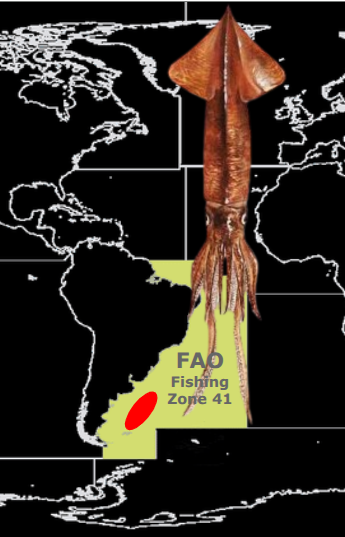 The global squid market is facing mounting pressure as supply shortages in Japan and South Korea push governments and fishing fleets to search farther afield for the prized cephalopod. From warming waters in Northeast Asia to the distant fishing grounds of the Southwest Atlantic, the race to secure squid supplies has intensified, turning what many in the industry now call “golden squid” into a strategic seafood commodity. The global squid market is facing mounting pressure as supply shortages in Japan and South Korea push governments and fishing fleets to search farther afield for the prized cephalopod. From warming waters in Northeast Asia to the distant fishing grounds of the Southwest Atlantic, the race to secure squid supplies has intensified, turning what many in the industry now call “golden squid” into a strategic seafood commodity.
In South Korea, tightening domestic supply has triggered a sharp increase in squid prices and prompted government intervention. The Ministry of Oceans and Fisheries approved new deep-sea fishing permits on February 9, authorizing four large ocean-going trawlers to harvest Argentine squid (Illex argentinus) in FAO Fishing Zone 41, a high-seas area between Argentina and the Falkland Islands.
The newly authorized vessels include the 7,700-ton trawler “Sejong” from Dongwon Fisheries, previously dedicated to Antarctic krill fishing, as well as the “Namku” from Namku Fisheries, the “99 Aoyang” from Sacho Aoyang Fisheries, and the “Junseong” from Hansen Enterprises. South Korean authorities also plan to redirect additional ocean-going vessels that once targeted cod in the North Pacific to the same squid grounds beginning next year.
Currently, two 500-ton trawlers and eleven 3,000-ton trawlers from South Korea operate in the region with government permits. The addition of larger vessels is expected to significantly boost the country’s fishing capacity and increase squid production by about 2,000 tons this year. Officials estimate the additional supply could reduce domestic consumer prices by roughly 10%, although the government has required that all extra catch be directed exclusively to the South Korean domestic market.
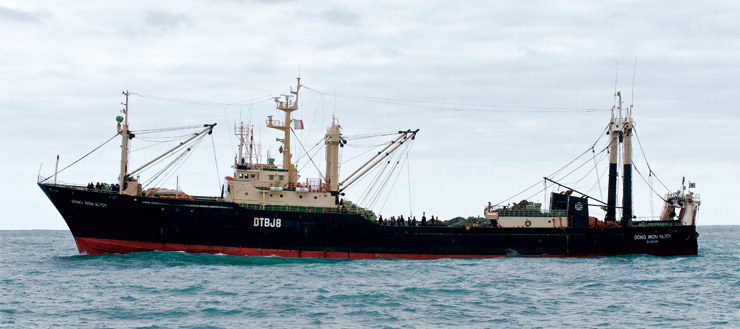
Korean trawler belonging to the Dong Won fleet. Photo: Dong Won
The policy follows a steep decline in local squid stocks. Rising sea surface temperatures in the East Sea have climbed by about 2–4°C, contributing to a sharp drop in catches. According to the National Statistics Portal of Korea, coastal squid landings fell from 60,880 tons in 2021 to 31,006 tons last year, nearly halving in just four years. Deep-sea catches also dropped from 73,867 tons to 52,122 tons over the same period.
As supply dwindled, prices surged. Frozen squid retail prices climbed from 15,260 Korean won per kilogram (about US$11.50/kg) in 2021 to 20,108 won per kilogram (about US$15.20/kg) last year—an increase of 31.8%. The steep rise has led traders and consumers to nickname the product “golden squid.”
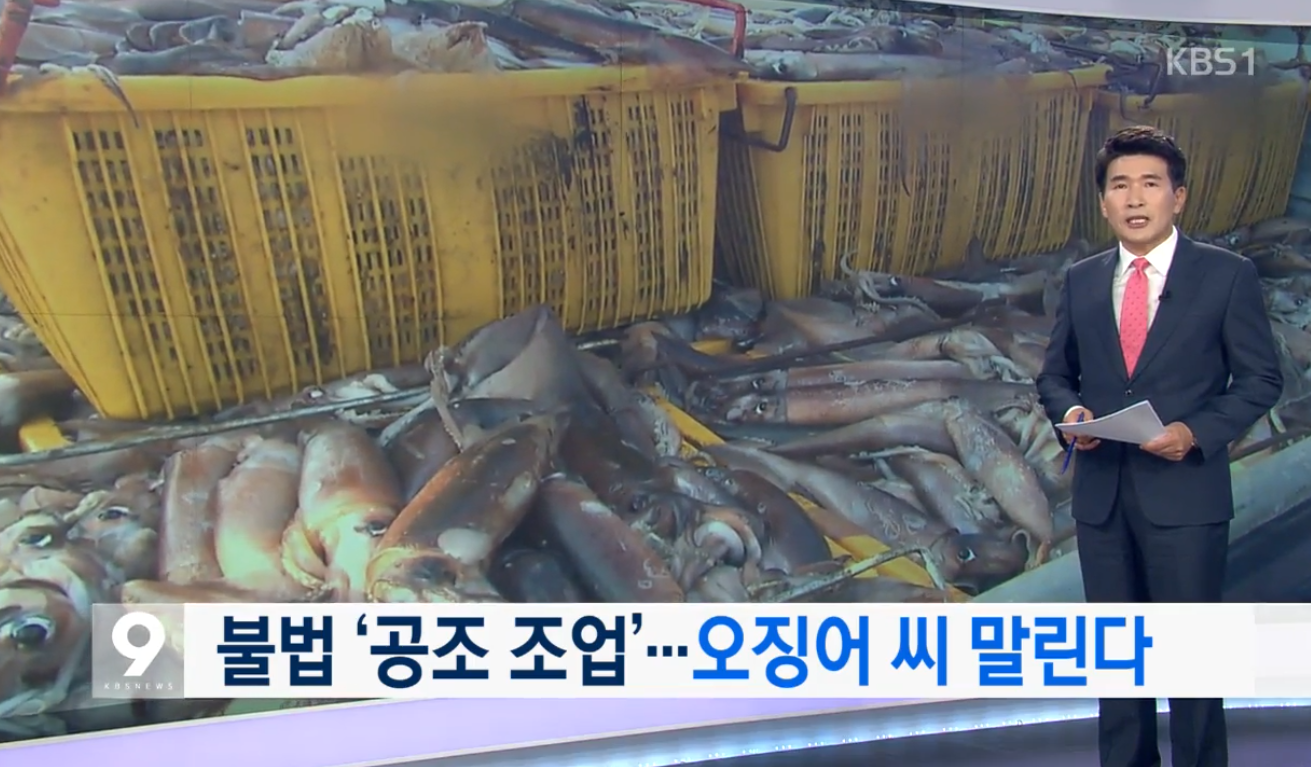
Korean TV reports on the delicate situation in the squid market
However, the expansion of large industrial vessels has sparked criticism from smaller operators. Yoon Dong-ho, chairman of the Southwest Atlantic Squid Trawling Commission, warned that most of the 29 vessels currently operating in the area are around 500 tons, and the arrival of 8,000-ton-class ships could dramatically shift the competitive landscape, making it nearly impossible for small companies to compete.
Environmental groups have also raised alarms, noting that FAO Area 41 lacks a Regional Fisheries Management Organization (RFMO), leaving fishing pressure largely unmanaged. Scientists have already observed signs of strain in Argentine squid stocks, including smaller average sizes and an increasing share of small and medium-sized specimens in the catch.
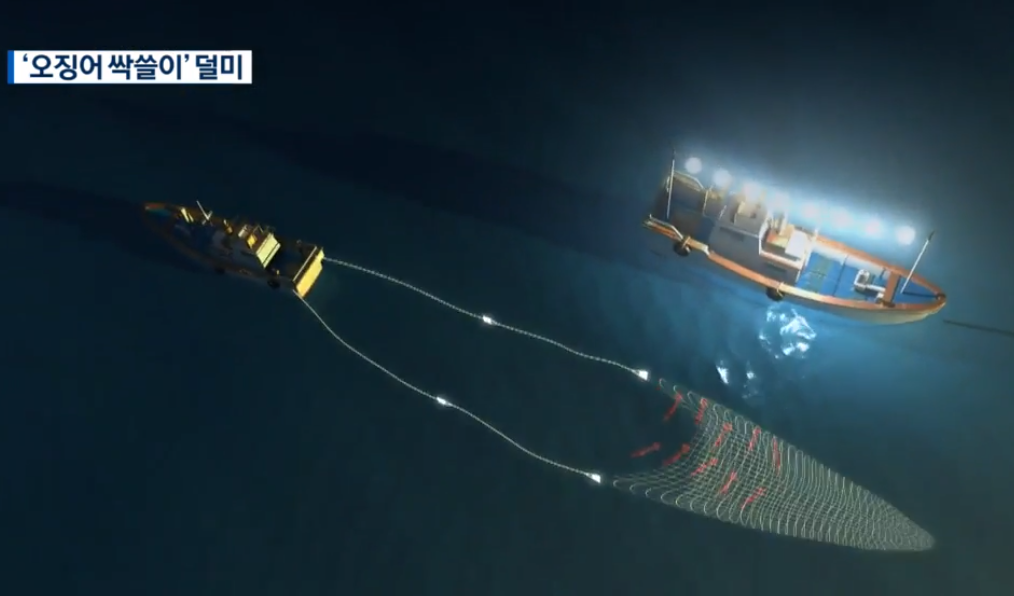
Korean TV explains how trawlers 'steal' squid concentrations attracted by jigging vessels
South Korean officials argue that expanding operations now is a strategic move. If a regional management body is eventually created, historical catch records could determine future fishing quotas. Building a stronger presence today would strengthen the country’s negotiating position in any future international fisheries agreement.
Meanwhile, Japan is experiencing its own squid supply challenge. According to the Japan Fisheries Cooperatives Association, the national catch of Japanese flying squid in 2025 is expected to reach 15,261 tons, marking the first year-on-year increase in nearly five years and a 35% rise compared with the previous year.
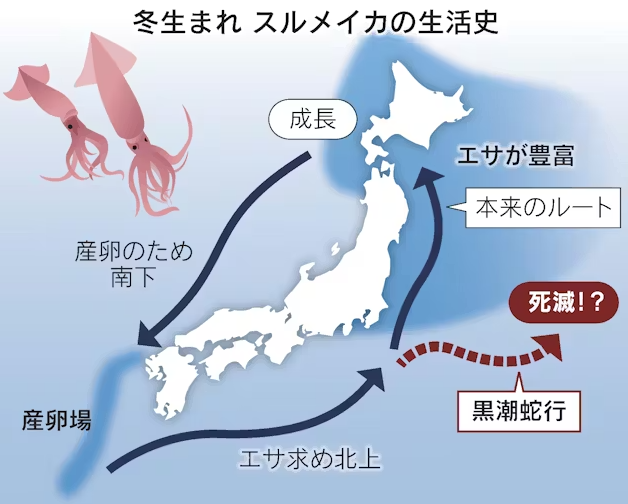
Japanese squid fishing ground. Photo: Stockfile / FIS
The recovery has been driven largely by improved catches in the Pacific fishing grounds, especially around Hokkaido and the Sanriku coast. Landings in Hokkaido reached 8,193 tons, up 4%, while the Sanriku region recorded 1,580 tons, roughly seven times higher than the previous year. Summer fishing in the Sea of Japan also improved, producing 5,126 tons.
Despite this rebound, supply remains historically tight. In the 1990s, Japan’s annual squid catches often exceeded 100,000 tons, peaking near 180,000 tons in 1996. The projected 2025 total of 15,261 tons represents only about 8% of that historic high.
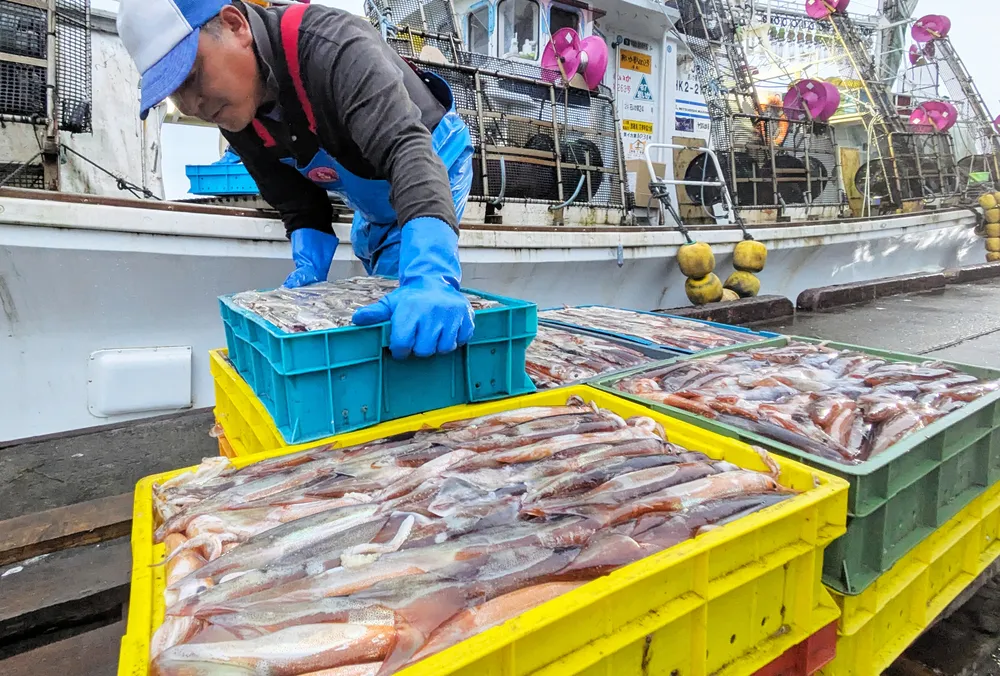
Japanese 'fresh' squid jigger landing in Hokkaido port. Photo: Stockfile / FIS
Compounding the problem is the shrinking size of squid now being caught. Many specimens weigh less than 200 grams, forcing processors to use more raw material to produce the same amount of finished product and reducing processing efficiency.
Prices reflect the constrained supply. The average wholesale price for squid in Japan is about ¥1,179 per kilogram (approximately US$8/kg). While slightly lower than earlier in the year due to improved catches, the figure remains well above long-term averages. Frozen whole squid sells for around ¥1,780 per kilogram (about US$12/kg), roughly 13% higher year-on-year.
 Structural changes in the market are also affecting processors. Increasing volumes of squid are being diverted directly to fresh consumption channels—particularly sushi and sashimi markets—rather than being processed. As a result, processing plants have not seen a meaningful increase in raw material supply despite the modest rebound in catches. Structural changes in the market are also affecting processors. Increasing volumes of squid are being diverted directly to fresh consumption channels—particularly sushi and sashimi markets—rather than being processed. As a result, processing plants have not seen a meaningful increase in raw material supply despite the modest rebound in catches.
Facing declining coastal resources, small fishing fleets in Japan’s Hokuriku region have begun expanding their operations to more distant waters. At the same time, landings of red squid (Ommastrephes bartramii) along the Sea of Japan are expected to rise in 2025, offering processors a potential alternative raw material.
Taken together, the developments in South Korea and Japan highlight a broader transformation in the global squid industry. Climate change, shifting marine ecosystems, and intensifying international competition are forcing fleets to travel farther and invest in larger vessels—all in pursuit of a resource that is becoming increasingly scarce yet ever more valuable.
🇯🇵 日本語(Japanese)
世界的なイカ不足:日本と韓国が海を越えて争奪戦、「黄金のイカ」危機が水産市場を再編
北東アジアの海水温上昇から遠く離れた南西大西洋の漁場まで、供給不足と価格高騰がイカを最も争われる海産資源の一つに押し上げている。
世界のイカ市場は圧力を強めている。日本と韓国での供給不足が政府や漁船団をより遠方の漁場へと駆り立て、貴重な頭足類の確保競争が激化している。北東アジアの温暖化する海域から遠く離れた南西大西洋の漁場に至るまで、イカ供給を確保する競争は激しさを増しており、業界では今や**「黄金のイカ」**と呼ばれる戦略的な水産資源となりつつある。
韓国では国内供給の逼迫によりイカ価格が急騰し、政府の介入を招いた。海洋水産部は2月9日、4隻の大型遠洋トロール船に対して新たな操業許可を発行し、アルゼンチンマツイカ(Illex argentinus)をFAO漁業区域41で漁獲することを認めた。この海域はアルゼンチンとフォークランド諸島の間に位置する公海である。
新たに認可された船には、以前は南極海でオキアミ漁を行っていた東遠水産(Dongwon Fisheries)の7,700トン級トロール船「Sejong」が含まれる。さらに、Namku Fisheriesの「Namku」、Sacho Aoyang Fisheriesの**「99 Aoyang」、そしてHansen Enterprisesの「Junseong」も操業に加わる予定だ。韓国当局はまた、かつて北太平洋**でタラ漁を行っていた遠洋漁船を来年から同漁場に振り向ける計画も進めている。
現在、この海域では政府許可のもと、500トン級トロール船2隻と3,000トン級トロール船11隻が操業している。大型船の追加により韓国の漁獲能力は大幅に増加し、今年のイカ生産量は約2,000トン増える見込みだ。当局は、この追加供給により国内の消費者価格が約10%低下する可能性があるとしているが、政府は追加漁獲分をすべて韓国国内市場に供給するよう義務付けている。
この政策の背景には、国内資源の急激な減少がある。東海では海面水温が約2〜4°C上昇し、イカ資源の急減に寄与している。韓国国家統計ポータルによると、沿岸および近海のイカ漁獲量は2021年の60,880トンから昨年は31,006トンへと減少し、わずか4年でほぼ半減した。同期間に遠洋漁獲量も73,867トンから52,122トンへ減少している。
供給の減少に伴い価格は急騰した。冷凍イカの小売価格は**2021年の1kgあたり15,260ウォン(約US$11.50/kg)から昨年は20,108ウォン(約US$15.20/kg)**へ上昇し、**31.8%の値上がりとなった。この急騰により、市場ではイカが「黄金のイカ」**と呼ばれるようになっている。
しかし、大型船の参入は小規模事業者から反発を招いている。南西大西洋イカトロール委員会の委員長であるYoon Dong-hoは、現在この海域で操業している29隻のほとんどが500トン級であり、8,000トン級の船が参入すれば競争環境が劇的に変わり、小規模企業が競争することはほぼ不可能になると警告している。
環境団体も懸念を表明している。FAO区域41には地域漁業管理機関(RFMO)が存在せず、漁獲圧がほぼ管理されていないためだ。科学者たちはすでにアルゼンチンマツイカ資源に負荷の兆候を観測しており、平均サイズの小型化や小・中サイズ個体の割合増加が報告されている。
韓国政府はこの拡大政策を戦略的なものと位置付けている。将来、地域管理機関が設立された場合、過去の漁獲実績が各国の割当量を決定する重要な基準となる可能性があるため、今のうちに操業実績を積み上げておく必要があるという。
一方、日本でもイカ供給問題が続いている。日本漁業協同組合連合会によると、2025年のスルメイカの全国漁獲量は15,261トンに達する見込みで、約5年ぶりの前年比増加となり、前年から35%増となる。
この回復は主に太平洋側漁場、特に北海道と三陸沿岸での漁獲増加によるものだ。北海道の漁獲量は8,193トンで4%増、三陸地域では1,580トンと前年の約7倍に増加した。さらに日本海の夏漁も改善し、5,126トンを記録した。
それでも供給は依然として歴史的に低い水準にある。1990年代には日本の年間イカ漁獲量は100,000トンを超えることが多く、1996年には180,000トン近くに達した。これに対し、2025年の15,261トンという予測は、歴史的ピークのわずか**約8%**にすぎない。
問題をさらに複雑にしているのが、漁獲されるイカの小型化だ。多くの個体は200グラム未満で、加工業者は同じ製品量を生産するためにより多くの原料を必要とし、加工効率が低下している。
価格も供給逼迫を反映している。日本市場のイカ平均卸売価格は1kgあたり¥1,179(約US$8/kg)。年初よりやや下落したものの、長期平均より依然として高い水準だ。冷凍丸イカの価格は**1kgあたり約¥1,780(約US$12/kg)**で、**前年比約13%**上昇している。
市場構造の変化も加工業界に影響を与えている。イカ原料の一部が加工工程を経ず、直接寿司や刺身向けの生鮮市場に流れているためだ。その結果、漁獲量が回復しても加工工場への原料供給は大きく増えていない。
沿岸資源の減少に直面し、北陸地域の小型漁船団はより遠方の漁場へと操業範囲を拡大している。同時に、日本海側ではアカイカ(Ommastrephes bartramii)の水揚げも2025年に増加すると見込まれており、一部の加工業者にとって代替原料となる可能性がある。
総合すると、韓国と日本で起きている動きは、世界のイカ産業が大きく変化していることを示している。気候変動、海洋生態系の変化、そして国際的な競争の激化により、漁船団はより遠くへ航行し、より大型の船に投資するようになっている。すべては、ますます希少でありながら価値が高まり続けるこの資源を確保するためである。
🇨🇳 简体中文(Simplified Chinese)
全球鱿鱼紧缺:日本与韩国跨洋争夺,“黄金鱿鱼”危机重塑海产品市场
从东北亚海水升温到遥远的西南大西洋渔场,供应紧张与价格上涨正将鱿鱼推向全球最具竞争性的海洋资源之一。
随着日本和韩国鱿鱼供应紧张,全球鱿鱼市场正承受越来越大的压力,政府与远洋船队被迫前往更遥远的海域寻找这种珍贵的头足类资源。从东北亚变暖的海域到遥远的西南大西洋渔场,争夺鱿鱼供应的竞争日益激烈,使这种海产品在业内被称为**“黄金鱿鱼”**。
在韩国,国内供应持续收紧导致鱿鱼价格快速上涨,并促使政府采取干预措施。海洋水产部于2月9日批准向4艘大型远洋拖网渔船发放新的作业许可,允许其在FAO第41渔区捕捞阿根廷鱿鱼(Illex argentinus)。该海域位于阿根廷与福克兰群岛之间的公海区域。
获准作业的船只包括东远渔业(Dongwon Fisheries)的7,700吨级远洋拖网船“Sejong”,该船此前主要在南极海域捕捞磷虾。此外,还有Namku Fisheries的**“Namku”、Sacho Aoyang Fisheries的“99 Aoyang”以及Hansen Enterprises的“Junseong”也将加入捕捞行列。韩国政府还计划从明年开始,将此前在北太平洋**捕捞鳕鱼的远洋船只转移至该渔场。
目前,在政府许可下已有2艘约500吨拖网船和11艘约3,000吨拖网船在该区域作业。随着大型船只加入,韩国在该区域的捕捞能力将显著提升,今年预计可增加约2,000吨鱿鱼产量。政府预计,这些新增供应可能使国内消费者价格下降约10%,但同时规定新增捕获的鱿鱼必须全部供应韩国国内市场。
这一政策与国内资源减少直接相关。近年来,东海海表温度上升约2至4°C,导致当地鱿鱼资源明显下降。根据韩国国家统计门户网站数据,韩国沿岸和近海鱿鱼捕捞量从2021年的60,880吨下降到去年的31,006吨,四年间几乎减少一半。同一时期,远洋捕捞量也从73,867吨下降至52,122吨。
供应减少迅速推高了价格。冷冻鱿鱼的消费者价格从2021年的每公斤15,260韩元(约US$11.50/kg)上涨至去年的20,108韩元(约US$15.20/kg),涨幅达到31.8%。由于价格飙升,市场甚至将其称为**“黄金鱿鱼”**。
然而,大型船只的进入在韩国渔业界引发争议。西南大西洋鱿鱼拖网委员会主席Yoon Dong-ho表示,目前在该海域作业的29艘船大多为500吨级拖网船,一旦8,000吨级船只进入,小型企业将几乎无法与之竞争。
环保组织也表达了担忧。由于FAO第41渔区尚未建立区域渔业管理组织(RFMO),扩大捕捞可能会增加对海洋生态系统的压力。近年来,科学家已经观察到阿根廷鱿鱼资源出现压力迹象,包括平均体型变小以及小型和中型个体比例上升。
韩国政府则从战略角度为该政策辩护。官员表示,如果未来在该海域建立区域管理组织,各国历史捕捞记录将成为配额分配的重要依据,因此韩国需要提前积累作业数据和经验。
与此同时,日本也面临鱿鱼供应问题。根据日本渔业协同组合联合会的数据,2025年日本日本飞鱿(Japanese flying squid)的全国捕捞量预计达到15,261吨,为近五年来首次同比增长,同比增长35%。
捕捞回升主要来自太平洋渔场,尤其是北海道和三陆沿岸。其中北海道捕捞量达到8,193吨,同比增长4%;三陆地区捕捞量达到1,580吨,约为上一年的7倍。日本海夏季捕捞也有所增加,达到5,126吨。
尽管捕捞量回升,整体供应仍然紧张。1990年代日本每年的鱿鱼捕捞量经常超过100,000吨,并在1996年接近180,000吨。相比之下,2025年预计的15,261吨仅相当于历史峰值的约8%。
与此同时,鱿鱼体型普遍变小的问题也在加剧。许多个体重量不足200克,这意味着加工企业需要更多原料才能生产相同数量的成品,从而降低原料利用效率。
价格同样反映了供应紧张。日本市场鱿鱼平均批发价约为**¥1,179/公斤(约US$8/kg)。尽管随着供应略有恢复,价格较年初有所下降,但仍高于长期平均水平。冷冻整只鱿鱼平均价格约为¥1,780/公斤(约US$12/kg),同比上涨约13%**。
市场结构变化也对加工行业产生影响。越来越多的原料直接流入寿司和刺身等鲜食消费渠道,而不是进入加工环节。因此,即使捕捞量略有恢复,加工厂获得的原料数量并未明显增加。
由于近海资源减少,日本北陆地区的小型鱿鱼渔船也开始扩大作业范围,前往更远的海域寻找渔场。同时,日本海一侧的赤鱿(Ommastrephes bartramii)登陆量预计在2025年增加,可能成为部分加工企业的替代原料来源。
总体而言,韩国与日本的这些发展表明全球鱿鱼产业正在发生深刻变化。气候变化、海洋生态系统变化以及国际竞争加剧,正迫使船队航行得更远并投资更大型的渔船——这一切都是为了获得这种日益稀缺却愈发珍贵的海洋资源。
[email protected]
www.seafood.media
|





 Print
Print