|
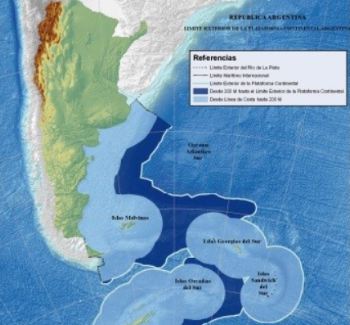
The Argentine Sea is the name given to the sector of the Southwest Atlantic Ocean that covers the shallower portion of the Argentine continental margi
The declarations of Otto Wöhler about Mile 201 ignite a debate around illegal fishing in the South Atlantic
 ARGENTINA
Wednesday, May 27, 2026, 00:10 (GMT + 9)
While the director of INIDEP defines the catches of foreign fleets outside the Exclusive Economic Zone as an unregulated but formally legal activity, Dr.Lerena warns that the exploitation of straddling resources violates international conservation treaties.
During 23 days of navigation, technicians from INIDEP carried out the oceanographic campaign “Adjacent Area 2026”, which left results as revealing as they are alarming. The work, aboard the BIPO Víctor Angelescu, took place between February 28 and March 22 in the area adjacent to Mile 200.
.png)
BIPO Víctor Angelescu. Photo: Gob.Arg.
In this regard, the national director of Research of INIDEP, Otto Wöhler, explained that the main objective of the campaign was to “characterize the structure and dynamics of the oceanic ecosystem” and to study the behavior of straddling species of importance for the Argentine economy.
Another of the central axes of the campaign was to evaluate the impact of so-called unregulated fishing on the high seas. Wöhler recalled that many times the concept of “illegal fishing” is erroneously used to describe the activity of foreign fleets at mile 201.
.png) “It is not illegal fishing as long as they operate outside the Argentine Exclusive Economic Zone. The problem is that it is an unregulated fishing, and that can be just as damaging as illegal fishing,” he warned. “It is not illegal fishing as long as they operate outside the Argentine Exclusive Economic Zone. The problem is that it is an unregulated fishing, and that can be just as damaging as illegal fishing,” he warned.
He pointed out that straddling species like the Argentine squid do not recognize political or maritime borders. “The squid does not care if they fish it two miles inside or outside. What is worrying is the intensity of exploitation on the resource,” he stated to Revista Puerto.
As a result of these declarations, Dr. Lerena has sent his opinion to the editorial office of FIS regarding the definitions given by Otto Wöhler, manifesting a profound legal, technical, and sovereign discrepancy which is presented in its entirety below:
FISHING ON THE HIGH SEAS IS ILLEGAL
In statements to Revista Puerto (26/5/2026) the Director of Research of INIDEP Otto Wöhler indicated that «Another of the central axes of the campaign (carried out by INIDEP) was to evaluate the impact of the so-called unregulated fishing on the high seas» and affirmed «that many times the concept of “illegal fishing” is erroneously used to describe the activity of foreign fleets at mile 201» and, according to this biologist: «It is not illegal fishing as long as they operate outside the Argentine Exclusive Economic Zone. The problem is that it is an unregulated fishing, and that can be just as damaging as illegal fishing». This affirmation is contrary to Argentine legislation and to the regulations already imposed in the United Nations Convention on the Law of the Sea (UNCLOS) and, most notably, his statements refer “to an unregulated fishing whose effects are just as damaging as illegal fishing”.
.png) The capture on the high seas by foreign vessels under the conditions in which it is carried out is Illegal Fishing, regardless of the fact that current national and international norms can be perfected and applied, and this is not solely a biological issue, but fundamentally political, legal, and economic. This finds support in Law 24.543 with which Argentina ratified UNCLOS, where it highlights in Article 2, paragraph c) that «The Argentine Republic accepts the provisions on management and conservation of living resources on the high seas but considers that they are insufficient, in particular those relating to straddling fish stocks and highly migratory fish stocks, and that their complementation is necessary through a multilateral, effective, and binding regime that, among other things, facilitates cooperation to prevent and avoid overfishing, and allows controlling the activities of fishing vessels on the high seas as well as the use of fishing methods and gear», and the Argentine government bears in mind «its priority interest in the conservation of resources found in its exclusive economic zone and in the adjacent high seas area, considers that in accordance with the provisions of the Convention when the same stock or stocks of associated species are found in the EEZ and in the adjacent high seas area, the Argentine Republic, as a coastal State, and the States fishing those stocks in the area adjacent to its EEZ must agree on the necessary measures for the conservation of those stocks or associated species on the high seas» and that for this purpose «..is empowered to adopt, in accordance with international law, all measures it deems necessary for that purpose» which UNCLOS then establishes in its articles, and, "freedom of fishing" referred to in article 87, e) does not imply that this freedom can be predatory and unsustainable, an issue that occurs: first, when vessels have no control from their flag States or countries of origin (articles 87, 92, 94 of UNCLOS); second, when research studies are not carried out to determine the “Maximum Sustainable Catch” (articles 117 and 119 of UNCLOS) and, third, if migratory species originating from the EEZ are captured on the high seas without agreement with the coastal State, affecting its interests (articles 63, 64, 116 to 119 of UNCLOS). The capture on the high seas by foreign vessels under the conditions in which it is carried out is Illegal Fishing, regardless of the fact that current national and international norms can be perfected and applied, and this is not solely a biological issue, but fundamentally political, legal, and economic. This finds support in Law 24.543 with which Argentina ratified UNCLOS, where it highlights in Article 2, paragraph c) that «The Argentine Republic accepts the provisions on management and conservation of living resources on the high seas but considers that they are insufficient, in particular those relating to straddling fish stocks and highly migratory fish stocks, and that their complementation is necessary through a multilateral, effective, and binding regime that, among other things, facilitates cooperation to prevent and avoid overfishing, and allows controlling the activities of fishing vessels on the high seas as well as the use of fishing methods and gear», and the Argentine government bears in mind «its priority interest in the conservation of resources found in its exclusive economic zone and in the adjacent high seas area, considers that in accordance with the provisions of the Convention when the same stock or stocks of associated species are found in the EEZ and in the adjacent high seas area, the Argentine Republic, as a coastal State, and the States fishing those stocks in the area adjacent to its EEZ must agree on the necessary measures for the conservation of those stocks or associated species on the high seas» and that for this purpose «..is empowered to adopt, in accordance with international law, all measures it deems necessary for that purpose» which UNCLOS then establishes in its articles, and, "freedom of fishing" referred to in article 87, e) does not imply that this freedom can be predatory and unsustainable, an issue that occurs: first, when vessels have no control from their flag States or countries of origin (articles 87, 92, 94 of UNCLOS); second, when research studies are not carried out to determine the “Maximum Sustainable Catch” (articles 117 and 119 of UNCLOS) and, third, if migratory species originating from the EEZ are captured on the high seas without agreement with the coastal State, affecting its interests (articles 63, 64, 116 to 119 of UNCLOS).
Argentina could not consider legal and “unregulated” the capture on the high seas of its migratory resources originating from the territorial sea and the EEZ, and the associated ones that intervene in the trophic chain, in principle, because it would be to disavow the rights it claims as its own throughout all its current legislation: article 5 of law 23.968; the cited article 2, para. c) of Law 24.543 and, articles 4, 5d, 21e, 22 and 23b of the Fishing Law 24.922. In addition to this, there are more than 40 reasons to consider this capture on the high seas as “Illegal Fishing”. Of course, to this is added fishing with bottom trawl nets when fishing over the extended Argentine continental shelf beyond 200 miles without national authorization, and even classifying as “piracy” the illegal fishing that breaks the biological cycle of species on the high seas, according to Article 101 a) ii) of UNCLOS: «Against a ship or aircraft, persons or property in a place outside the jurisdiction of any State». The problem is not that there are no regulations, the problem of Illegal Fishing is that the Argentine Authorities have not carried out the necessary measures to end this scourge, concluded Lerena.
🇯🇵 日本語 (Japanese)
マイル201に関するオット・ヴェーラー氏の発言が南大西洋における違法漁業を巡る論争に火をつける
インリデップ(INIDEP)の所長は排他的経済水域外での外国船団による漁獲を規制外ではあるものの形式的には合法的な活動と定義する一方で、レレナ氏はストラドリング資源(境界を越える水産資源)の開拓は国際的な保全条約に違反すると警告している。
23日間の航海の間、INIDEPの技術者たちは海洋調査キャンペーン「2026年隣接海域」を実施し、その結果は驚くべきものであると同時に憂慮すべきものであった。調査はBIPOヴィクター・アンヘレスク号に乗船して行われ、2月28日から3月22日にかけてマイル200に隣接する海域で実施された。
これに関し、INIDEPの国家研究局長であるオット・ヴェーラー氏は、このキャンペーンの主な目的が「海洋生態系の構造とダイナミクスを特徴づけること」であり、アルゼンチン経済にとって重要であるストラドリング種の行動を研究することであったと説明した。
キャンペーンのもう一つの中心的な軸は、公海におけるいわゆる規制なき漁業の影響を評価することであった。ヴェーラー氏は、マイル201における外国船団の活動を説明するために「違法漁業」という概念が誤って使われることが非常に多いと回想した。
「アルゼンチンの排他的経済水域の外で操業している限り、それは違法漁業ではありません。問題は、それが規制なき漁業であるということであり、それは違法漁業と同じくらい損害を与える可能性があるということです」と彼は警告した。
彼は、アルゼンチンイレックス(マツイカ)のようなストラドリング種は政治的または海洋的な境界を認識しないと指摘した。「イカにとっては、2マイル内側で獲られようが外側で獲られようが関係ありません。懸念されるのは、その資源に対する開発の強度です」と彼はレヴィスタ・プエルト誌に語った。
これらの発言の結果として、レレナ博士はオット・ヴェーラー氏によって示された定義に関する自身の意見をFISの編集部に送付し、法、技術、および主権に関する深い相違を表明した。その内容は以下に完全に提示されている。
公海における漁業は違法である
レヴィスタ・プエルト誌(2026年5月26日)への声明の中で、INIDEPの研究局長であるオット・ヴェーラー氏は「(INIDEPが実施した)キャンペーンのもう一つの中心的な軸は、公海におけるいわゆる規制なき漁業の影響を評価することであった」と指摘し、「マイル201における外国船団の活動を説明するために『違法漁業』という概念が誤って使われることが非常に多い」と言明し、この生物学者によれば「アルゼンチンの排他的経済水域の外で操業している限り、それは違法漁業ではありません。問題は、それが規制なき漁業であるということであり、それは違法漁業と同じくらい損害を与える可能性があるということです」と述べた。この言明はアルゼンチンの法律および国連海洋法条約(UNCLOS)ですでに課されている規制に反するものであり、最も注目すべきは、彼の声明が「違法漁業と同じくらい損害を与える効果を持つ規制なき漁業」に言及していることである。
現状の条件下で外国船によって行われている公海での捕獲は、現在の国内および国際的な規範を完成させ適用できるかどうかにかかわらず、違法漁業であり、これは単に生物学的な問題ではなく、根本的に政治的、法的、経済的な問題である。 これは、アルゼンチンがUNCLOSを批准した法律第24,543号に根拠を見出すものであり、そこでは第2条第c項において「アルゼンチン共和国は公海上の生物資源の管理および保全に関する規定を受け入れるが、それらは不十分であるとみなす。特にストラドリング魚類資源および高度回遊性魚類資源に関する規定については不十分であり、とりわけ過剰漁獲を防止・回避するための協力を促進し、公海上の漁船の活動ならびに漁法および漁具の使用の管理を可能にする、実効性があり拘束力のある多国間制度による補完が必要であるとみなす」と強調されており、アルゼンチン政府は「自国の排他的経済水域およびそれに隣接する公海域に存在する資源の保全における優先的利益」を念頭に置き、「条約の規定に従い、同一の系群または関連種の系群がEEZ内およびそれに隣接する公海域に存在する場合、沿岸国としてのアルゼンチン共和国、および自国のEEZに隣接する海域でそれらの系群を漁獲する国家は、公海上のそれらの系群または関連種の保全に必要な措置に合意しなければならない」とし、その目的のために「国際法に従い、その目的のために必要とみなす全ての措置を採択する権限を与えられている」とみなしており、これは後にUNCLOSの条文に定められている。そして、第87条第e項が言及する「漁業の自由」は、この自由が略奪的で持続不可能であってよいことを意味するものではなく、そのような問題は以下の場合に発生する。第一に、船舶がその旗国または原産国からの管理を受けていない場合(UNCLOS第87条、第92条、第94条)。第二に、「最大持続生産量」を決定するための調査研究が実施されていない場合(UNCLOS第117条および第119条)。そして第三に、EEZを原産とする回遊性種が沿岸国との合意なしに公海上で捕獲され、その利益を害している場合(UNCLOS第63条、第64条、第116条から第119条)。
アルゼンチンは、領海およびEEZを原産とする回遊性資源、ならびに食物連鎖に関与する関連資源の公海における捕獲を、合法的かつ「規制なし」とみなすことはできない。原則として、それは自国のすべての現行法、すなわち法律第23,968号第5条、引用された法律第24,543号第2条第c項、および漁業法第24,922号第4条、第5条d、第21条e、第22条、第23条bを通じて自らのものとして主張している権利を否定することになるからである。これに加えて、この公海での捕獲を「違法漁業」とみなす理由は40以上存在する。当然ながら、これには国の認可なしに200マイルを超えてアルゼンチン大陸棚延長部の上で漁業を行う際の底引き網による漁業が加わり、さらにUNCLOS第101条第a項第ii号「いずれの国の管轄権にも服さない場所にある船舶もしくは航空機、またはそれらの中にある人もしくは財産に対するもの」に従い、公海上で種の生物学的サイクルを破壊する違法漁業を「海賊行為」として分類することさえ含まれる。 問題は規制がないことではなく、違法漁業の問題はアルゼンチン当局がこの災難を終わらせるために必要な措置を講じてこなかったことである、とレレナ氏は締めくくった。
🇨🇳 简体中文 (Simplified Chinese)
奥托·沃勒关于201海里的表态引发围绕南大西洋非法捕鱼的辩论
虽然印里德普(INIDEP)所长将专属经济区外外国船队的捕捞活动定义为一种未经监管但形式上合法的活动,但勒雷纳警告称,对跨界资源的开拓违反了国际保护条约。
在为期23天的航行中,来自INIDEP的技术人员开展了“2026年邻近区域”海洋学调查,其结果既发人深省又令人担忧。这项在BIPO 维克托·安赫莱斯库号上进行的工作,于2月28日至3月22日期间在毗邻200海里的区域展开。
对此,INIDEP国家研究局长奥托·沃勒解释说,该调查的主要目标是“表征海洋生态系统的结构和动力学”,并研究对阿根廷经济具有重要意义的跨界物种的行为。
该调查的另一个核心轴线是评估公海上所谓未经监管的捕鱼所产生的影响。沃勒回顾说,很多时候,“非法捕鱼”这一概念被错误地用来描述外国船队在201海里处的活动。
“只要它们在阿根廷专属经济区之外作业,就不属于非法捕鱼。问题在于这是一种未经监管的捕鱼,而这可能与非法捕鱼一样具有破坏性,”他警告说。
他指出,像阿根廷鱿鱼这样的跨界物种并不承认政治或海洋边界。“对鱿鱼来说,它们是在专属经济区内侧还是外侧两海里被捕捞并不重要。令人担忧的是对该资源的开采强度,”他向《波多杂志》表示。
由于这些表态,勒雷纳博士已就奥托·沃勒给出的 text 定义向FIS编辑部表达了他的意见,表明了以下完整呈现的深刻的法律、技术和主权分歧:
公海捕鱼系非法行为
在对**《波多杂志》(2026年5月26日)发表的声明中,INIDEP研究局长奥托·沃勒指出,“(由INIDEP开展的)调查的另一个核心轴线是评估公海上所谓未经监管的捕鱼所产生的影响”,并断言“很多时候,‘非法捕鱼’这一概念被错误地用来描述外国船队在201海里处的活动”,并且根据这位生物学家的说法:“只要它们在阿根廷专属经济区之外作业,就不属于非法捕鱼。问题在于这是一种未经监管的捕鱼,而这可能与非法捕鱼一样具有破坏性。”这一断言违反了阿根廷法律以及联合国海洋法公约**(UNCLOS)中已经施加的规定,最引人注目的是,他的言论提到了“一种未经监管的捕鱼,其影响与非法捕鱼一样具有破坏性”。
外国船只在现有条件下在公海进行的捕捞属于非法捕鱼,无论现行的国内和国际规范是否可以完善和适用,这不仅是一个生物学问题,而且从根本上是一个政治、法律和经济问题。 这在阿根廷批准UNCLOS的第24,543号法律中找到了依据,其中在第2条c款中强调,“阿根廷共和国接受关于公海生物资源管理和保护的规定,但认为这些规定是不充分的,特别是关于跨界鱼类种群和高度洄游鱼类种群的规定,有必要通过一个多边、有效和具有约束力的机制进行补充,该机制除其他外,应有利于开展合作以防止和避免过度捕捞,并允许控制公海上捕鱼船只的活动以及捕鱼方法和渔具的使用”,并且阿根廷政府牢记“其在保护其专属经济区及其毗邻公海区域内的资源方面的优先利益,认为根据公约的规定,当同一鱼群或相关物种的鱼群同时存在于专属经济区和毗邻公海区域时,阿根廷共和国作为沿海国,与在其专属经济区毗邻区域捕捞这些鱼群的国家,必须就公海上这些鱼群或相关物种的保护采取必要措施达成一致”,并为此“有权根据国际法采取其认为为此目的所必需的一切措施”,随后UNCLOS在其条款中对此进行了规定。而且,第87条e款所提及的“捕鱼自由”并不意味着这种自由可以是掠夺性和不可持续的,这种情况发生于:第一,当船只脱离其旗国或原产国的控制时(UNCLOS第87条、第92条、第94条);第二,当未开展研究调查以确定“最大持续产量”时(UNCLOS第117条和第119条);第三,如果在未与沿海国达成协议的情况下,在公海上捕捞源自专属经济区的洄游物种,从而损害了沿海国的利益(UNCLOS第63条、第64条、第116条至第119条)。
阿根廷不能认为在公海捕捞其源自领海和专属经济区的洄游资源以及参与食物链的相关资源是合法且“未经监管”的,原则上,因为这将否认其在所有现行法律中声称为其所有的权利:第23,968号法律第5条;援引的第24,543号法律第2条c款;以及第24,922号捕鱼法第4条、第5条d款、第21条e款、第22条和第23条b款。除此以外,有超过40个理由将这种公海捕捞视为“非法捕鱼”。当然,这还要加上在没有国家授权的情况下,在超过200海里的阿根廷大陆架延伸段上使用底拖网进行的捕鱼,甚至根据UNCLOS第101条a款ii项的规定,将这种破坏公海上物种生物周期的非法捕鱼归类为“海盗行为”:“针对在任何国家管辖范围之外的地方的船舶、飞机、人员或财产”。 问题不在于没有监管,非法捕鱼的问题在于阿根廷当局没有采取必要措施来结束这一祸害,勒雷纳总结道。
[email protected]
www.seafood.media
|





 Print
Print