|
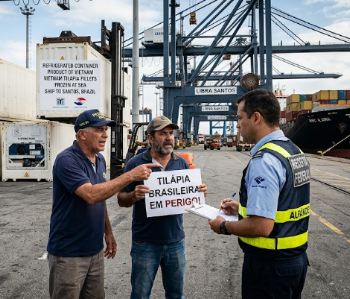
Photo: Stockfile/FIS
Rising Vietnamese Tilapia Imports Spark Major Crisis in Brazilian Aquaculture
 BRAZIL
Thursday, May 28, 2026, 00:10 (GMT + 9)
Local fish farmers warn that subsidized foreign imports and dangerous biosecurity threats jeopardize a multi-billion dollar domestic industry
The Brazilian tilapia farming industry is facing a critical crossroads that extends far beyond standard market competition. A massive surge in tilapia fillet imports from Vietnam is creating severe economic, sanitary, and strategic vulnerabilities across the nation's agricultural sector. Domestic producers warn that without immediate intervention, the future of local fish farming remains highly compromised.
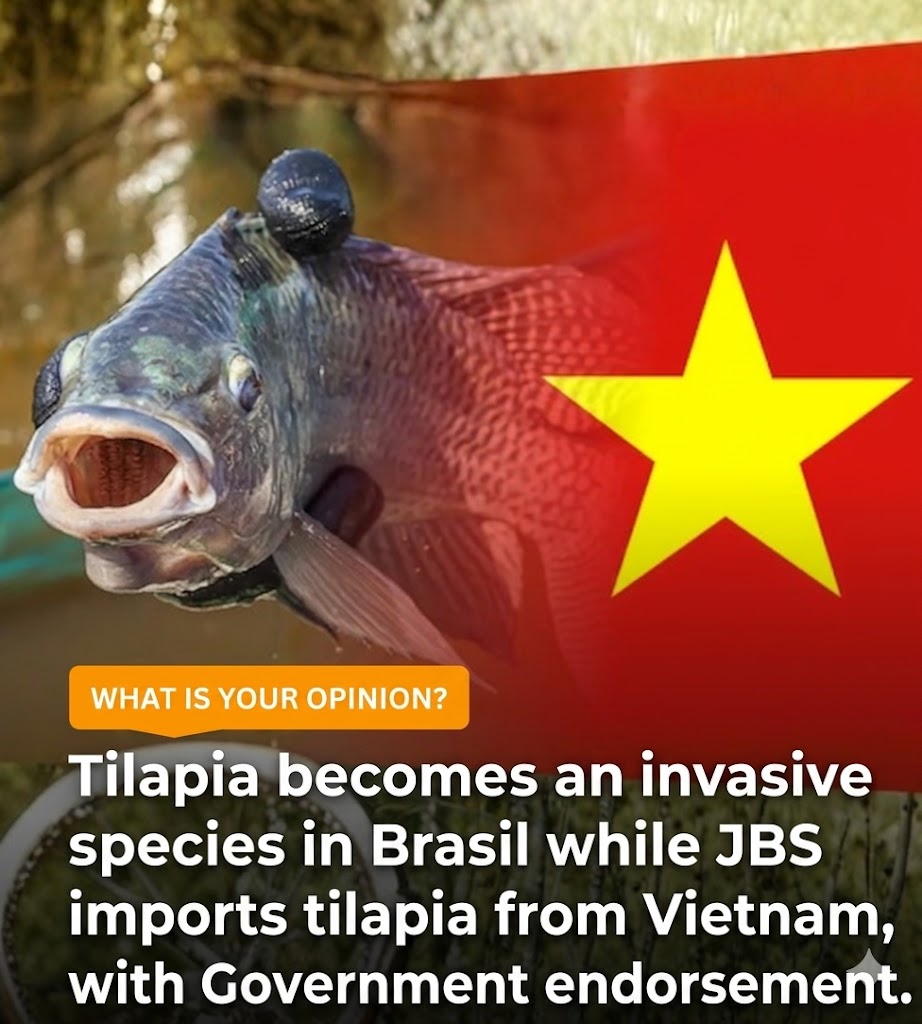 From a purely economic perspective, domestic producers cannot compete on a level playing field. Vietnam operates its aquaculture sector with aggressive government subsidies, artificially suppressed production costs, and highly streamlined logistical infrastructure. In stark contrast, Brazil remains bogged down by the "Brazil Cost"—a systemic burden defined by heavy taxation, expensive electricity, high interest rates, excessive environmental bureaucracy, and soaring prices for fish feed, licensing, and transport. This stark imbalance places immense downward pressure on prices paid to local farmers, threatening thousands of direct and indirect jobs across the national supply chain. From a purely economic perspective, domestic producers cannot compete on a level playing field. Vietnam operates its aquaculture sector with aggressive government subsidies, artificially suppressed production costs, and highly streamlined logistical infrastructure. In stark contrast, Brazil remains bogged down by the "Brazil Cost"—a systemic burden defined by heavy taxation, expensive electricity, high interest rates, excessive environmental bureaucracy, and soaring prices for fish feed, licensing, and transport. This stark imbalance places immense downward pressure on prices paid to local farmers, threatening thousands of direct and indirect jobs across the national supply chain.
Beyond the financial strain lies an even more alarming threat: the introduction of devastating pathogens. Vietnam has frequently documented outbreaks of TiLV (Tilapia Lake Virus), a highly contagious disease affecting global tilapia populations for which no definitive cure exists. Brazil currently maintains a disease-free status. Allowing this pathogen into the country could decimate local aquatic populations, erase billions in investments, and shatter consumer trust.
 Recognizing this critical hazard, the Ministry of Agriculture and Livestock previously suspended all tilapia imports from Vietnam to re-evaluate health protocols and prevent a potential TiLV outbreak. This preventive measure confirms that the industry's biosecurity fears are deeply rooted in technical reality rather than commercial protectionism. A health crisis of this magnitude could mirror international disasters where foreign diseases completely wiped out fish stocks, forced mass bankruptcies, and triggered widespread unemployment. Recognizing this critical hazard, the Ministry of Agriculture and Livestock previously suspended all tilapia imports from Vietnam to re-evaluate health protocols and prevent a potential TiLV outbreak. This preventive measure confirms that the industry's biosecurity fears are deeply rooted in technical reality rather than commercial protectionism. A health crisis of this magnitude could mirror international disasters where foreign diseases completely wiped out fish stocks, forced mass bankruptcies, and triggered widespread unemployment.
Brazilian tilapia is globally recognized for its exceptional traceability, environmental rigor, and strict sanitary controls. Domestic farmers operate under rigorous labor and environmental standards to guarantee absolute food safety. Advocating for local aquaculture is not about isolationism; it is about defending national food sovereignty, regional job creation, and market equity.
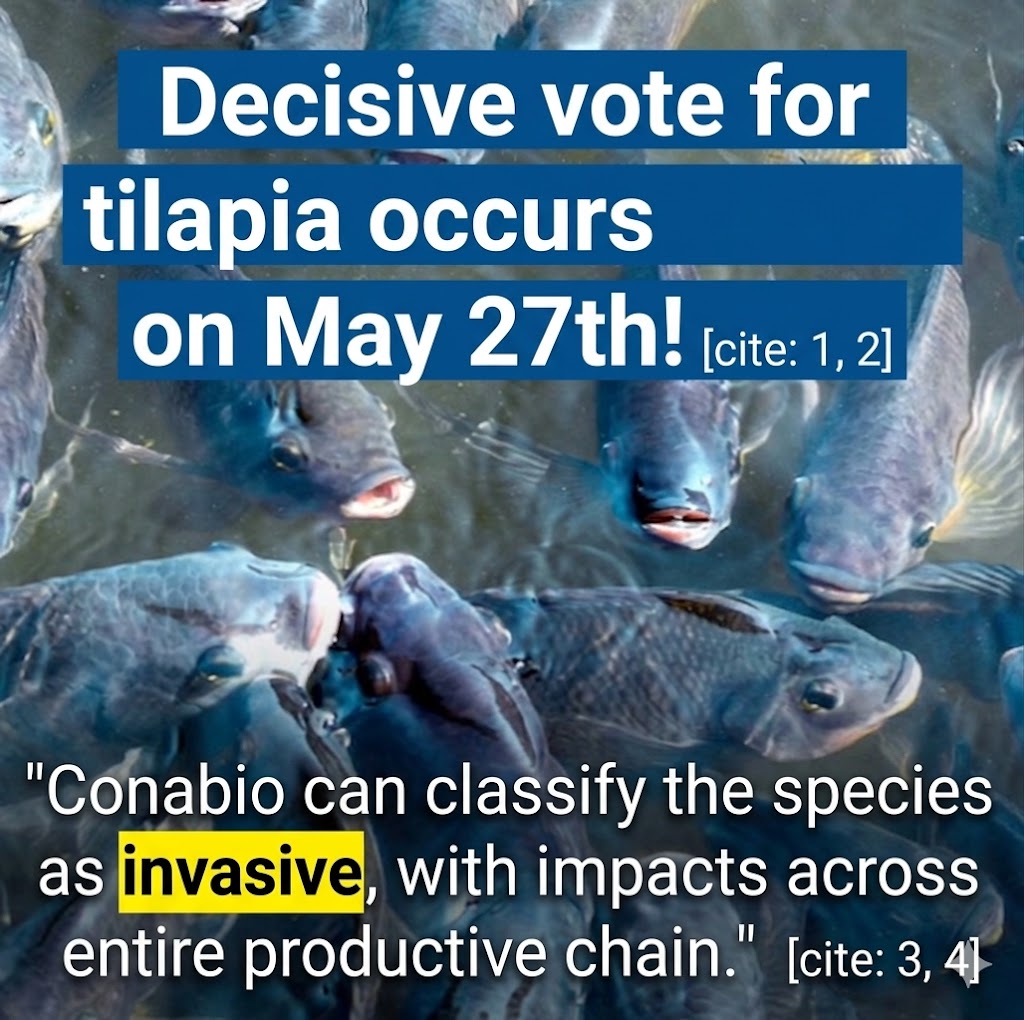
Compounding this commercial pressure is a shifting domestic regulatory landscape. The proposed inclusion of tilapia and other commercially vital species on the CONABIO (National Biodiversity Commission) list of invasive exotic species is triggering massive legal uncertainty and instability for a sector that generates billions of dollars annually.
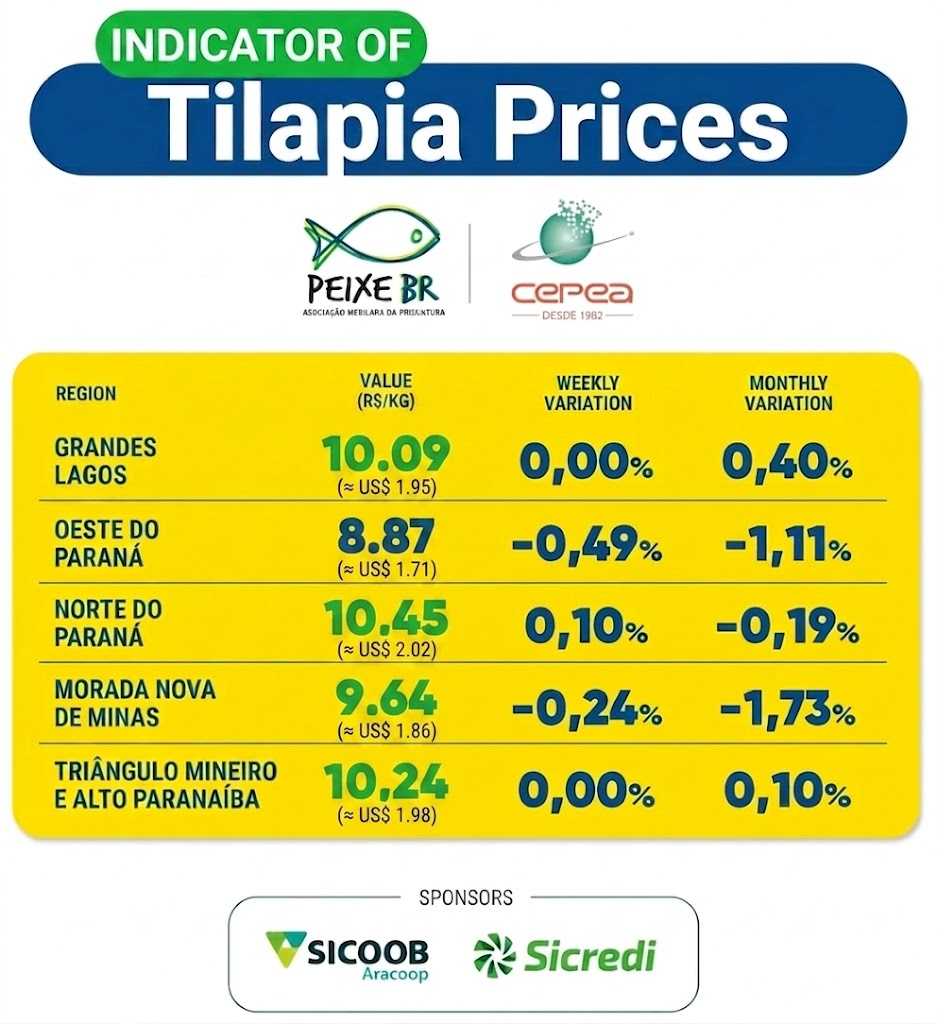
Tilapia Domestic Prices (May 21)
It is impossible to discuss environmental sustainability without accounting for human and economic factors. Tilapia farming drives regional development and provides social inclusion for small, medium, and large-scale farming families across Brazil. As global demand for high-quality, sustainable protein rises, .png) weakening a highly advanced domestic agribusiness yields no logical benefit. weakening a highly advanced domestic agribusiness yields no logical benefit.
Industry leaders stress that the entire sector must unite to demand balanced, science-based political decisions that account for the profound economic and strategic impacts on the country.
"The importation of tilapia fillets from Vietnam poses economic, sanitary, and strategic risks to the entire national production chain," noted Marilsa Patrício Fernandes, executive secretary of the Association of Fish Farmers in Paulista Waters and the Union – Peixe PR, who originally highlighted the mounting pressures facing the industry.
🇯🇵 日本語 (Japanese)
ベトナム産ティラピアの輸入急増がブラジルの養殖業に重大な危機をもたらす
地元の養殖業者は、補助金を受けた外国産の輸入と危険なバイオセキュリティ上の脅威が、数十億ドル規模の国内産業を危険にさらしていると警告している
ブラジルのティラピア養殖産業は、通常の市場競争をはるかに超えた重大な岐路に立たされている。ベトナムからのティラピアフィレ(切り身)の輸入の急増は、国の農業部門全体に深刻な経済的、衛生・極めて深刻な、そして戦略的な脆弱性を生み出している。国内の生産者たちは、即座の介入がなければ、地元の養殖業の未来は非常に危うい状況が続くだろうと警告している。
純粋な経済的視点から見ると、国内の生産者は公平な条件で競争することができていない。ベトナムは、積極的な政府補助金、人為的に抑制された生産コスト、そして高度に合理化された物流インフラを背景にその水産養殖部門を運営している。それとは対照的に、ブラジルは「ブラジル・コスト」と呼ばれる構造的な重荷、すなわち重税、高額な電気料金、高金利、過度な環境官僚主義、そして魚の飼料・ライセンス取得・輸送の価格急騰に足を引っ張られたままである。この深刻な不均衡は、地元の養殖業者に支払われる価格に計り知れない下落圧力をかけ、国内の供給チェーン全体で数万人の直接的・間接的な雇用を脅かしている。
財政的な困窮の先には、さらに深刻な脅威が潜んでいる。それは、壊滅的な病原体の侵入である。ベトナムでは、世界中のティラピア集団に影響を与え、いまだ決定的な治療法が存在しない極めて感染力の強い病気であるTiLV(ティラピア・レイク・ウイルス)の発生が頻繁に記録されている。ブラジルは現在、清浄国(病気のない状態)を維持している。この病原体の国内への侵入を許せば、地元の水生生物集団を全滅させ、数十億ドルの投資を消し去り、消費者の信頼を粉砕しかねない。
この重大な危険性を認識し、農牧食糧省は以前、健康プロトコルを再評価し、潜在的なTiLVの発生を防ぐために、ベトナムからのすべてのティラピア輸入を一時的に停止した。この予防的措置は、業界のバイオセキュリティに対する懸念が、単なる商業的な保護主義ではなく、技術的な現実に深く根ざしていることを裏付けている。この規模の衛生危機は、外国の病気が魚のストックを完全に全滅させ、大量倒産を余儀なくさせ、広範な失業を引き起こした国際的な大惨事を再現する可能性がある。
ブラジル産のティラピアは、その優れたトレーサビリティ(追跡可能性)、環境への厳格さ、そして厳格な衛生管理で世界的に認められている。国内の養殖業者は、絶対的な食品安全を保証するために、厳格な労働および環境基準の下で活動している。地元の水産養殖を擁護することは、孤立主義を目指すことではなく、国家の食料主権、地域雇用の創出、そして市場の公平性を守ることである。
この商業的な圧力に拍車をかけているのが、国内の規制環境の変化である。ティラピアやその他の商業的に極めて重要な種を、CONABIO(国家生物多様性委員会)の外来侵入種リストに含めるという提案は、年間数十億ドルを動かすセクターに大規模な法的不確実性と不安定さを引き起こしている。
人間や経済的な要因を考慮せずに、環境の持続可能性を議論することは不可能である。ティラピア養殖は地域発展を牽引し、ブラジル全土の小規模、中規模、大規模な養殖家族に社会的包摂を提供している。高品質で持続可能なタンパク質に対する世界的な需要が高まる中、高度に発展した国内のアグリビジネスを弱体化させることは、論理的な利益を一切もたらさない。
業界のリーダーたちは、国への深刻な経済的および戦略的影響を考慮した、バランスの取れた科学的根拠に基づく政治的決定を要求するために、セクター全体が団結しなければならないと強調している。
業界が直面している高まる圧力を最初に浮き彫りにした、パウリスタ水域魚類養殖業者協会およびウニオン – ペイシェ PRの事務局長であるマリルサ・パトリシオ・フェルナンデスは、「ベトナムからのティラピアフィレの輸入は、国内の全生産チェーンに経済的、衛生的、そして戦略的なリスクをもたらしている」と指摘した。
🇨🇳 简体中文 (Simplified Chinese)
越南罗非鱼进口剧增引发巴西水产养殖业重大危机
本地鱼农警告,受补贴的外国进口与危险的生物安全威胁正危及数十亿美元的国内产业
巴西罗非鱼养殖业正处于一个远远超出标准市场竞争的关键十字路口。来自越南的罗非鱼片进口量大幅激增,正对该国农业部门整体造成严重的经济、卫生和战略脆弱性。国内生产者警告称,如果不及早干预,本地鱼类养殖业的未来将继续受到严重损害。
纯粹从经济角度来看,国内生产者无法在公平的竞争环境中竞争。越南在其水产养殖部门的运作中,拥有政府的强力补贴、人为压低的生产成本以及高度优化的物流基础设施。形成鲜明对比的是,巴西仍受困于所谓的“巴西成本”——这一系统性负担包括沉重的税收、昂贵的电力、高利率、过度繁琐的环境官僚作风,以及鱼类饲料、许可证申请和运输费用的飙升。这种明显的失衡对支付给本地养殖户的价格造成了巨大的下行压力,威胁到整个国家供应链中数以万计的直接和间接就业岗位。
在财政压力之外,还潜伏着一个更令人担忧的威胁:毁灭性病原体的引入。越南已频繁记录到TiLV(罗非鱼湖病毒)的爆发,这是一种影响全球罗非鱼种群且目前尚无决定性治愈手段的高度传染性疾病。巴西目前保持着无疫状态。允许这种病原体进入该国可能会摧毁本地的水生生物种群,抹去数十亿美元的投资,并彻底粉碎消费者的信任。
认识到这一临界危害,农业、畜牧业和供应部此前暂停了所有来自越南的罗非鱼进口,以重新评估卫生规程并阻止潜在的TiLV爆发。这一预防性措施证实,该行业对生物安全的担忧深深植根于技术现实,而非商业保护主义。这种规模的卫生危机可能会重演国际上的灾难,即外国疾病完全消灭了鱼类库存,迫使企业大规模破产,并引发广泛的失业。
巴西罗非鱼因其卓越的可追溯性、环境严谨性和严格的卫生控制而获得全球认可。国内养殖户在严格的劳工和环境标准下运营,以确保绝对的食品安全。支持本地水产养殖并非奉行孤立主义,而是为了捍卫国家粮食主权、促进区域就业创造和维护市场公平。
加剧这一商业压力的是国内监管格局的变化。提议将罗非鱼及其他具有重要商业价值的物种列入CONABIO(国家生物多样性委员会)的外来入侵物种名单,正为这一每年创造数十亿美元产值的行业引发巨大的法律不确定性和动荡。
不考虑人类和经济因素,就无法讨论环境的可持续性。罗非鱼养殖推动了区域发展,并为巴西全境的小型、中型和大型养殖家庭提供了社会融入机会。在全球对高质量、可持续蛋白质的需求不断增长之际,削弱高度先进的国内农业综合企业不会带来任何逻辑上的利益。
行业领袖强调,整个部门必须团结一致,要求政府做出平衡的、基于科学的政治决策,以考虑到对国家产生的深远经济和战略影响。
“来自越南的罗非鱼片进口对整个国家生产链构成了经济、卫生和战略风险,”最初指出该行业面临日益加剧的压力的保利斯塔水域养鱼户协会及工会 – Peixe PR执行秘书マリルサ・パトリシオ・フェルナンデス(マリルサ・パトリシオ・フェルナンデス / Marilsa Patrício Fernandes)指出。
[email protected]
www.seafood.media
|





 Print
Print