|
Government officials maintain that future classifications will be conducted strictly on a case-by-case basis, heavily weighing scientific evidence.
Brazilian Biodiversity Commission Delays Highly Anticipated Verdict on Tilapia Classification
 BRAZIL
Tuesday, June 02, 2026, 00:10 (GMT + 9)
New working group established to design rigorous technical criteria before evaluating any specific species
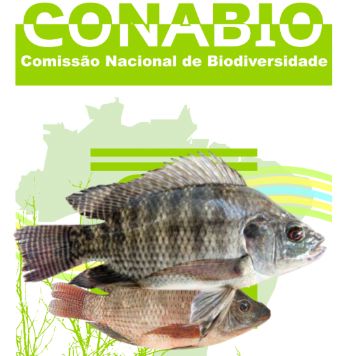
The future of fish farming in South America remains open as Brazil’s National Biodiversity Commission (Conabio) officially postponed any final decision on whether to classify tilapia as an invasive exotic species. Wrapping up its 77th ordinary meeting on Thursday (28), the commission chose instead to establish a dedicated working group to develop the technical criteria that will guide all future species analyses in Brazil, temporarily shelving debates over specific aquatic wildlife.
 According to the Ministry of Environment and Climate Change (MMA), the multi-day session was dedicated exclusively to establishing a standardized methodology for treating invasive exotic species nationwide. The MMA clarified the situation in an official statement, noting that "there was no deliberation or approval of a list of species, nor any individual classification of any species." According to the Ministry of Environment and Climate Change (MMA), the multi-day session was dedicated exclusively to establishing a standardized methodology for treating invasive exotic species nationwide. The MMA clarified the situation in an official statement, noting that "there was no deliberation or approval of a list of species, nor any individual classification of any species."
This clarification aims to calm nerves across the aquaculture industry. The sector has been tracking the commission's debates with rising concern, fearing that an invasive label could spark regulatory uncertainty and freeze investments in a supply chain that generates billions of US dollars and dominates the national production of farmed fish.
The newly formed resolution by Conabio outlines a 15-member working group, consisting of eight representatives from the federal government and seven from civil society, including key members of the productive sector. The group is also authorized to invite outside experts to enrich the technical discussions.
This panel has a strict 90-day deadline following the publication of the resolution to complete its framework. The proposal mandates creating criteria to sort species into three general categories: invasive exotic species with no socioeconomic interest; invasive exotic species with a consolidated production chain; and invasive exotic species that negatively impact socioeconomic activities.
The MMA emphasized that establishing these parameters is a mandatory, preliminary requirement. "Defining criteria is a methodological step that precedes and conditions any eventual classifications of any species," the ministry stated.
Government officials maintain that future classifications will be conducted strictly on a case-by-case basis, heavily weighing scientific evidence, environmental impacts, socioeconomic consequences, and the direct feedback of the sectors involved. The MMA's stated goal is to avoid automatic classifications, ensuring instead an individualized assessment for every single species analyzed.
Furthermore, the MMA sought to reassure businesses by highlighting that classifying a species as an invasive exotic does not automatically trigger a ban on its cultivation, use, or economic exploitation. Rather, the label serves as an environmental management tool designed to mitigate ecological damage. "The objective is to support preventive and management measures by the Brazilian State that reduce impacts on native biodiversity, the basis upon which both the environment and productive activities depend," the ministry highlighted.
As an entity, Conabio brings together a wide array of stakeholders, including representatives from the federal government, states, municipalities, research institutions, civil society organizations, family farmers, traditional peoples and communities, artisanal fishermen, agro-extractive workers, and leaders from the productive sector.
Following the meeting, the MMA reiterated its commitment to keeping the ongoing process transparent and open to dialogue among all interested parties. With the creation of this new working group, the high-stakes debate surrounding tilapia enters a highly technical phase, setting the stage for all future decisions by the commission.
Related News:
🇯🇵 日本語 (Japanese)
ブラジル生物多様性委員会がティラピアの分類に関する待望の評決を延期
特定の種を評価する前に厳格な技術的基準を設計するための新しい作業部会を設置
ブラジル国家生物多様性委員会(Conabio)が、ティラピアを外来侵入種に分類するかどうかについての最終決定を正式に延期したため、南米における養魚業の未来は未だ不透明なままである。木曜日(28日)に閉会した第77回通常会合を締めくくるにあたり、同委員会は、特定の水生野生生物に関する議論を一時的に棚上げし、代わりにブラジルにおける今後のすべての種分析を指導するための技術的基準を開発する専用の作業部会を設置することを選択した。
環境・気候変動省(MMA)によると、数日間にわたるセッションは、全国の外来侵入種を処理するための標準化された方法論を確立することだけに費やされた。MMAは公式声明で状況を明確にし、「種のリストの審議や承認は行われておらず、いかなる種の個別分類も行われていない」と述べた。
この明確化は、水産養殖業界全体の不安を静めることを目的としている。同セクターは、侵入種というラベルが規制の不確実性を引き起こし、数十億米ドルを創出し、養殖魚の国内生産を支配するサプライチェーンへの投資を凍結させることを恐れ、懸念を募らせながら委員会の議論を追跡してきた。
Conabioによる新たに形成された決議は、連邦政府からの8名の代表と、生産セクターの主要メンバーを含む市民社会からの7名で構成される、15名のメンバーからなる作業部会の概要を示している。同グループは、技術的な議論を充実させるために外部の専門家を招くことも認められている。
このパネルには、決議の公布後、枠組みを完了させるための90日間の厳格な期限がある。この提案は、種を3つの一般的なカテゴリーに分類するための基準を作成することを義務付けている。それらは、社会経済的利益のない外来侵入種、強固な生産チェーンを持つ外来侵入種、そして社会経済活動に悪影響を与える外来侵入種である。
MMAは、これらのパラメータを確立することが義務的な事前要件であることを強調した。「基準を定義することは、いかなる種についても、最終的な分類に先行し、それを条件付ける方法論的なステップである」と、同省は述べた。
政府高官は、今後の分類が、科学的証拠、環境への影響、社会経済的帰結、そして関係セクターの直接的なフィードバックを重く考慮し、厳格にケースバイケースで実施されると主張している。MMAが掲げる目標は、自動的な分類を避け、代わりに分析されるすべての単一の種に対して個別化された評価を保証することである。
さらに、MMAは、ある種を外来侵入種として分類することが、その養殖、利用、または経済的搾取の自動的な禁止を意味するものではないことを強調し、企業を安心させようとした。むしろ、このラベルは生態学的損害を緩和するために設計された環境管理ツールとして機能する。「その目的は、環境と生産活動の両方が依存する基盤である、自国の生物多様性への影響を軽減するブラジル国家による予防および管理措置を支援することである」と、同省は強調した。
組織として、Conabioは、連邦政府、州、地方自治体、研究機関、市民社会組織、家族経営の農家、伝統的な民族やコミュニティ、職人技の漁師、農業採取労働者、そして生産セクターのリーダーからの代表を含む、幅広い利害関係者を結集している。
会合の後、MMAは、進行中のプロセスを透明に保ち、すべての関係当事者間の対話に開かれたものにし続けるというコミットメントを再評価した。この新しい作業部会の設置により、ティラピアを巡るハイリスクな議論は高度に技術的な段階に入り、同委員会による今後のすべての決定への舞台が整った。
🇨🇳 简体中文 (Simplified Chinese)
巴西生物多样性委员会推迟备受期待的罗非鱼分类裁决
在评估任何特定物种之前,成立新的工作组以制定严格的技术标准
由于巴西国家生物多样性委员会(Conabio)正式推迟了关于是否将罗非鱼归类为外来入侵物种的最终决定,南美洲鱼类养殖业的前景目前仍不明朗。在星期四(28日)结束的第77次常会上,该委员会选择成立一个专门的工作组来制定技术标准,以指导未来在巴西进行的所有物种分析,从而暂时搁置了对特定水生野生生物的辩论。
根据环境与气候变化部(MMA) jurisdiction,为期数天的会议完全致力于建立全国处理外来入侵物种的标准化方法。MMA在官方声明中澄清了情况,指出“没有对物种清单进行审议或批准,也没有对任何物种进行单独分类。”
这一澄清旨在安抚整个水产养殖业的紧张情绪。该行业一直在带着担忧密切关注着委员会的辩论,担心入侵物种的标签可能会引发监管的不确定性,并冻结对一个创造数十亿美元且在全国养殖鱼类生产中占据主导地位的供应链的投资。
根据Conabio最新通过的决议,概括了一个由15名成员组成的工作组,其中包括来自联邦政府的八名代表和来自民间社会的七名代表(包括生产部门的核心成员)。该小组还获准邀请外部专家以丰富技术讨论。
该专家组在决议公布后有90天的严格期限来完成其框架。该提案要求制定将物种分为三个大类的标准:无社会经济利益的外来入侵物种;具有巩固生产链的外来入侵物种;以及对社会经济活动产生负面影响的外来入侵物种。
MMA强调,建立这些参数是一个强制性的、初步的要求。“定义标准是一个方法论步骤,它先于并制约着任何物种的任何最终分类,”该部表示。
政府官员坚持认为,未来的分类将严格基于具体情况逐案进行,高度权衡科学证据、环境影响、社会经济后果以及相关部门的直接反馈。MMA阐明 gas的目标是避免自动分类,从而确保对分析的每一个单一物种进行个性化评估。
此外,MMA试图通过强调将某一物种归类为外来入侵物种并不意味着自动禁止其养殖、利用或经济开发来安抚企业。相反,该标签是作为旨在减轻生态破坏的环境管理工具。该部强调:“其目标是支持巴西国家采取预防和管理措施,减少对本土生物多样性的影响,而环境和生产活动正是依赖于这一基础。”
作为一个实体,Conabio汇集了广泛的利益相关者,包括来自联邦政府、各州、各市、研究机构、民间社会组织、家庭农民、传统人民和社区、手工业渔民、农业采摘工人以及生产部门领导人的代表。
会议结束后,MMA重申其承诺,将继续保持正在进行的过程透明,并对所有利益相关方之间的对话保持开放。随着这一新工作组的成立,围绕罗非鱼的高风险辩论进入了一个高度技术性的阶段,为该委员会未来的所有决定奠定了基础。
[email protected]
www.seafood.media
|





 BRAZIL
 Print
Print