IN BRIEF - Iran’s Farmed Caviar Exports Surge by 112% in Nine-Month Period
IRAN
Friday, January 24, 2025
TEHRAN, (MNA) – Iran’s exports of farmed caviar witnessed remarkable growth, surging by 112% during the first nine months of the current Iranian calendar year, which began on March 21, 2024, according to an official from the Iranian Fisheries Organization.
Nasser Karamirad, Director General of Stock Enhancement and Conservation of Aquatic Genetic Resources at the Iranian Fisheries Organization, reported that 5.346 tons of farmed caviar, valued at $3.2 million, were exported to 28 countries between March 21 and December 22, 2024. This marks a significant increase compared to the same period last year.
Among the key export destinations for Iranian farmed caviar were the United Arab Emirates (UAE), Qatar, and Belgium, Karamirad noted.
He further highlighted that, in the previous Iranian calendar year, which ended on March 20, 2024, Iran exported 4.784 tons of farmed caviar. The latest figures showcase a substantial year-on-year improvement in export performance.
Karamirad also stated that as of the first six months of the current calendar year (March 21 to September 21, 2024), Iran had 304 units dedicated to farmed caviar production.
The provinces of Gilan, Mazandaran, and Fars emerged as the leading regions in caviar production, demonstrating their pivotal role in driving the industry forward.
The association will showcase industry innovation, sustainability and new consumer opportunities
ANFACO-CYTMA joins the 27th Conxemar, presenting with Spain’s MAPA a new campaign promoting canned seafood. It will also showcase NOVAFOODIES and IMPRESS, projects advancing sustainable foods, blue growth and innovation, while holding meetings with FAO, EUROFISH and INFOFISH.
MSC to host two events at Conxemar 2026: a toast to the certification of Argentine red shrimp and a session on Peruvian jumbo squid. Both events take place on Wednesday 7 October and are open to seafood professionals. Marine Stewardship Council (MSC) will be at the trade show from 6 to 8 October, at stand 3D47 at the IFEVI exhibition centre in Vigo, Spain.
Marine Stewardship Council (MSC) will once again take part in Conxemar, the international frozen seafood trade show held from 6 to 8 October at the IFEVI exhibition centre in Vigo, Spain. MSC will have its own stand, 3D47, and has prepared two events open to seafood professionals on Wednesday 7 October.
The Canadian Aquaculture Industry Alliance, the country’s main industry body for farmed seafood, has a new identity – it will now be known as Canadian Seafood Farmers (Producteurs Aquacoles Canadiens).
The national association says this reflects its alignment with all farming sectors across Canada. The change was voted on unanimously by members at the Alliance’s annual meeting last week.
The new name comes as the Canadian government makes economic resilience a central priority, and as food producers face a challenging trade environment. With the future of fish farming on Canada’s Pacific coast unclear, however, the industry faces what many see as a political battle for its survival.
Author: Vince McDonagh / Fish Farmer | Read the full article here
Cepea records declines in four of five key producing regions
Farmed tilapia prices fell in most regions tracked by Cepea.
Northern Paraná led at R$ 10.08/kg, versus R$ 8.73/kg in Western Paraná, a 15.46% gap. Triângulo Mineiro/Alto Paranaíba posted the sharpest weekly fall, 0.82%, to R$ 9.31/kg.
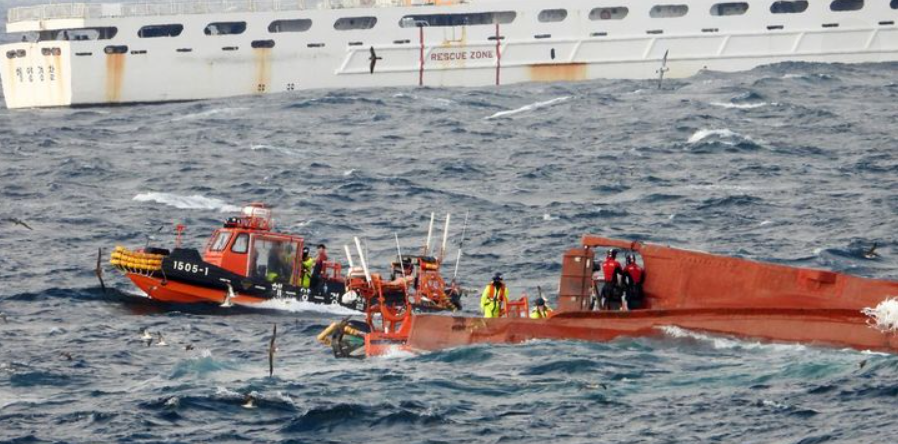
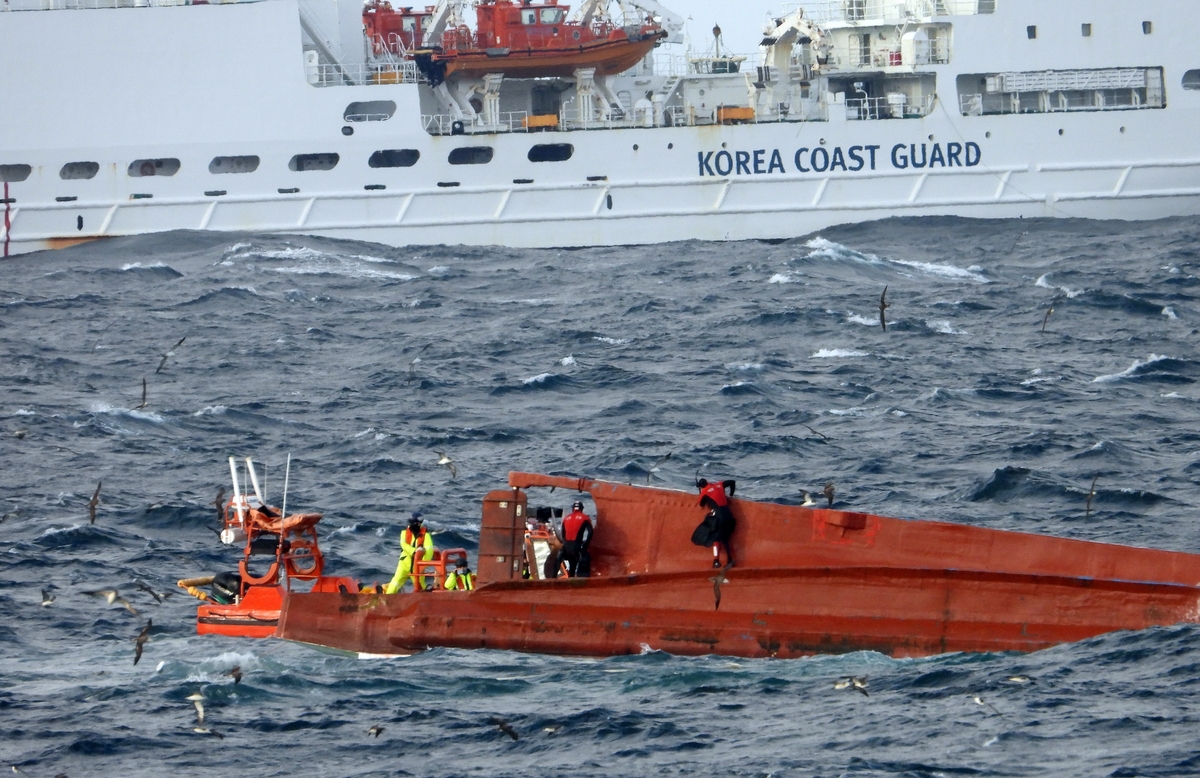
Search continues for missing Indonesian crewman after accident involving 11 people
Divers recovered the body of the 58-year-old Korean captain from the capsized 29-ton fishing vessel off Jeju. Of the 11 people aboard, 9 were rescued. The Coast Guard continues searching sea and air for a missing 27-year-old Indonesian crewman.
Norway’s September seafood exports reached €1.65 billion, as salmon volumes rose despite currency pressures
Norway exported seafood worth NOK 17.8 billion (€1.65 billion) in September, virtually unchanged from the same month last year, according to the Norwegian Seafood Council.The figure represents a decline of just NOK 27 million (€2.51 million) year on year, despite significant changes in export volumes, prices and currency movements.
Måsøval harvested 8,656 tonnes of Atlantic salmon in Q3 2026, up 44% year-on-year and above its 8,300-tonne guidance. Strong sea performance prompted the company to raise its 2026 harvest target from 28,000 to 29,000 tonnes.
Grieg Seafood is adjusting both its harvesting volume and cost expectations for 2026 following increased mortality at a farm in September.
Grieg Seafood stated in a stock exchange release on Friday that an unexpected algae incident led to gill damage and increased mortality at one of the company's locations.
According to the company, the biology in the sea was good throughout August, before the situation developed negatively at the site during September.
Author: Ole Andreas Drønen / fishfarmingexpert | Read the full article here
Japanese industrial group Yanmar has agreed a recommended cash offer for AKVA Group, valuing the Norwegian aquaculture technology supplier’s equity at approximately NOK 5.9 billion (€543 million).
The proposed offer of NOK 161 (€14.81) per share has unanimous board support. Shareholders representing approximately 92% of AKVA’s shares, excluding treasury shares, have committed to accept, subject to customary conditions, the company said in an October 2 stock-exchange announcement.
Source: SalmonBusiness | Read the full article here
A 29-ton longline fishing vessel carrying 11 people capsized 65 km northwest of Chagwi Island, Jeju. Nine foreign crew members—8 Indonesians and 1 Vietnamese—were rescued.
The Korean captain and 1 Indonesian remain missing as Coast Guard, Navy and fishing vessels search the area.
EU Moves to Shield Tuna Cannery Industry from Thai Competition European Union
European Commission Proposes Tariff Exemptions Conditional on Raw Material Caught Exclusively by Union Fleet
The European Union faces a decisive moment for the future of its fishing and processing se...
Oceanus peruvianus: when the Pacific was Peruvian Peru
A historical journey through the maritime prominence of Peru, from ancient indigenous navigation and the colonial viceroyalty era to the 200-mile declaration and the modern challenge of rebuilding a l...




 IRAN
IRAN.png) TEHRAN, (MNA) – Iran’s exports of farmed caviar witnessed remarkable growth, surging by 112% during the first nine months of the current Iranian calendar year, which began on March 21, 2024, according to an official from the Iranian Fisheries Organization.
TEHRAN, (MNA) – Iran’s exports of farmed caviar witnessed remarkable growth, surging by 112% during the first nine months of the current Iranian calendar year, which began on March 21, 2024, according to an official from the Iranian Fisheries Organization. SPAIN
SPAIN.png) The association will showcase industry innovation, sustainability and new consumer opportunities
The association will showcase industry innovation, sustainability and new consumer opportunities
 CANADA
.png) The national association says this reflects its alignment with all farming sectors across Canada. The change was voted on unanimously by members at the Alliance’s annual meeting last week.
The national association says this reflects its alignment with all farming sectors across Canada. The change was voted on unanimously by members at the Alliance’s annual meeting last week. BRAZIL
.png) Cepea records declines in four of five key producing regions
Cepea records declines in four of five key producing regions SOUTH KOREA
 Search continues for missing Indonesian crewman after accident involving 11 people
 NORWAY
.png) Norway’s September seafood exports reached €1.65 billion, as salmon volumes rose despite currency pressures
Norway’s September seafood exports reached €1.65 billion, as salmon volumes rose despite currency pressures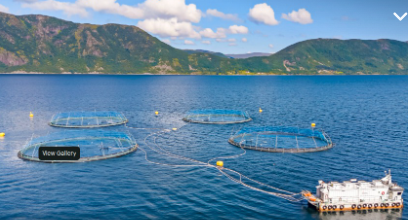 Strong biological performance lifts 2026 guidance
 Grieg Seafood stated in a stock exchange release on Friday that an unexpected algae incident led to gill damage and increased mortality at one of the company's locations.
 JAPAN
JAPAN Japanese industrial group