The illex squid fishery in Argentina is experiencing one of the most outstanding moments in its recent history. With 156,813.9 tons landed so far in 2026, the sector consolidates two consecutive record-breaking years, driven mainly by the performance of the Summer Spawning stock, while the traditional South Patagonian stock has virtually disappeared from national catches.
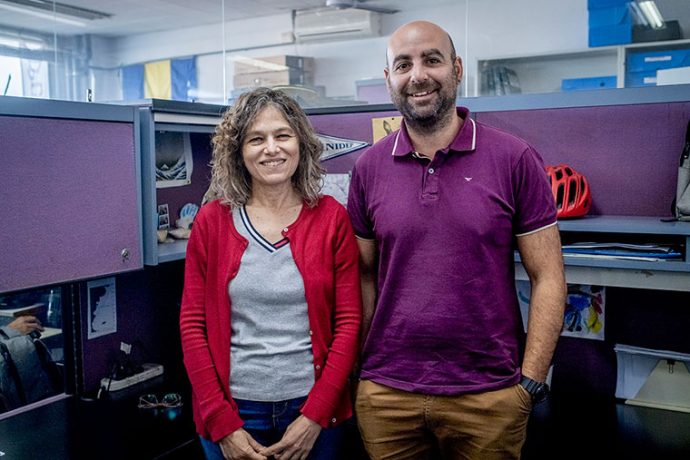
Marcela Ivanovic, head of the Cephalopod Program at INIDEP, and Nicolás Prandoni, her successor. Photo: Diego Izquierdo / Puerto Magazine
This was explained by Marcela Ivanovic, head of the Cephalopod Program at INIDEP, and her successor, Nicolás Prandoni, in an interview with REVISTA PUERTO, where they analyzed the keys behind a season as atypical as it is successful.
“This 2026 has been, so far, very good, an essential year for the Summer Spawning stock, unlike anything we have ever seen. A totally atypical year, where we see the almost total absence of the South Patagonian stock, and where the protagonist has been the Summer Spawning stock. An excellent year for the Argentine fleet.”
The silent collapse of the South Patagonian stock
.png)
The sharpest contrast of the season is the situation of the South Patagonian stock, which for years was the backbone of the fishery.
“The South Patagonian stock was what sustained the fishery until 2015… that was the boom year, when all actors together caught nearly one million tons in the South Atlantic,” Ivanovic recalled.
Since then, the trend has been downward:
- Sustained decline in abundance since 2015
- Almost null catches for Argentina in 2026
- Low recruitment confirmed in scientific surveys
“We have reached this year where, for Argentina, South Patagonian catches have been practically null… we know that abundance has been very low.”
Regarding the causes, the specialist was cautious but clear:
“We attribute it to a combination of factors… but we cannot ignore that fishing pressure… must have had an influence.”
The key to success: management and local control
While one stock declines, the other reaches historic levels. According to the researchers, the difference lies in control.
“The Summer Spawning stock is fished exclusively by the Argentine fleet and is harvested after reproduction.”
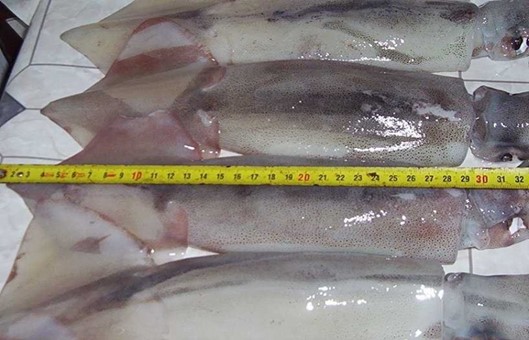
Photo: CAPA
That detail is crucial:
- The full reproductive cycle is guaranteed
- Recruitment for the following year is ensured
- Effective and controlled management measures are applied
“We are certain that this premise was fulfilled and the results are there to see.”
In addition, favorable environmental conditions played a role:
“Suitable conditions during egg hatching and the birth of paralarvae allowed these yields.”
Can the record be sustained?
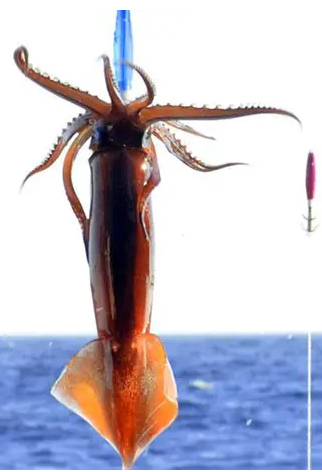
The outlook is optimistic, though not without risks.
“Yes. It should be so, unless something very unusual happens at the environmental level.”
Scientists warn that squid, as a short-lived species, is especially sensitive:
- Temperature changes during spawning
- Lack of food in larval stages
- Ecological mismatches that are difficult to predict
“These conditions produce a mismatch… and they cannot be predicted.”
Images that raise questions: overfishing?
During the season, images circulated of vessels with decks full of squid, raising concern.
“They have told us that everything they catch is processed during the day,” Prandoni explained.
According to the specialists:
- It is not a common practice
- It may respond to specific markets (such as bait)
- The real issue would be discards
“The problem would be if it is documented that they throw it away, that they discard it.”
So far, there is no evidence:
“We have not received any report of that kind,” Ivanovic assured.
Technology, external pressure, and mile 201
.jpeg)
Technological advances in the fleet—such as more powerful lamps—are also under analysis.
“Any fishery will be affected if there is overfishing… especially in the most vulnerable stages,” Prandoni warned.
However, the main concern lies outside national waters:
- High pressure from foreign fleets at mile 201
- Direct impact on the South Patagonian stock
- Lack of effective international regulation
“Outside, there is indeed very strong pressure… which is precisely affecting the South Patagonian stock.”
A global challenge: regulating inside and out
Argentina’s possible accession to the FAO Port State Measures Agreement could improve access to key information.
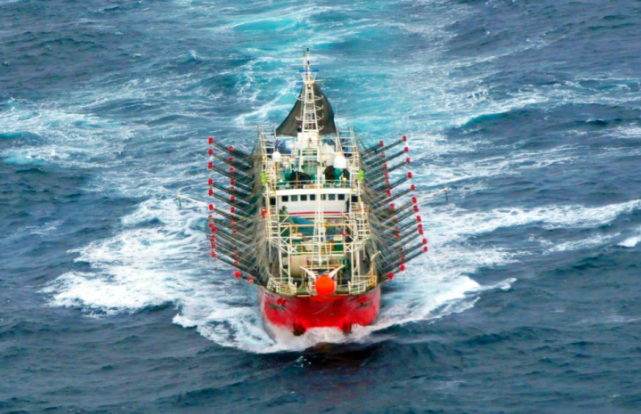
Photo: CAPA
“We would no longer have to estimate catches as we do now… having that information would be good.”
But the core problem remains:
“What we need is to be able to regulate catches if we truly want sustainable management.”
The proposal is clear:
“Management of the entire fishery, inside and outside… some type of agreement among all actors.”
What comes next: caution amid new expectations
In the coming days, the INIDEP team will begin a survey in the northern sector to assess the Buenos Aires North Patagonian stock, which is generating expectations in the fleet.
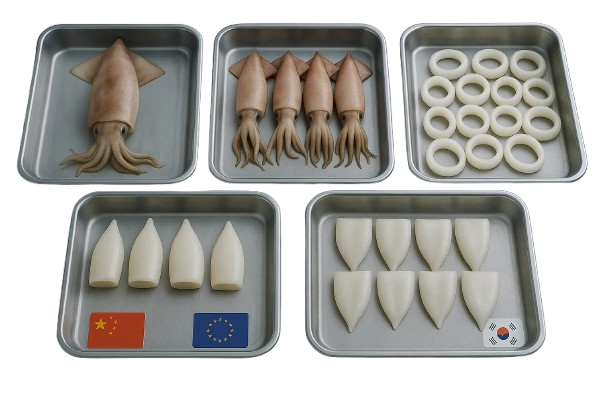
Photo: EasyFish
Although there are positive signs, scientists urge caution:
“There are some indications that another period of abundance could be expected, but they ask for caution.”
The final message sums up the current state of Argentina’s fishery:
- Success based on responsible management
- Clear warnings from science
- A fragile balance between exploitation and sustainability
“The best thing is to let it develop in order to continue on this path that has achieved such good results.”






 Print
Print