|
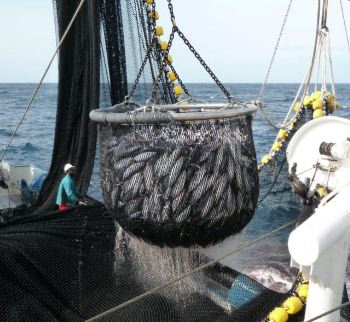
Photo: OPAGAC
EU Tuna Fleet in Peril: Asian Rivals Muscle In as European Vessels Vanish from Atlantic Fishing Grounds
 (EUROPEAN UNION, 5/29/2025)
Spanish Fishermen Warn of "Discriminatory" Control Gaps as EU Fleet Shrinks 38%, Risking Sustainable Tuna Supply in European Supermarkets.
BRUSSELS – Europe's tuna fleet in the Eastern Atlantic is in sharp decline, facing an aggressive surge from Asian-flagged vessels operating out of African nations. Spain's tuna association, OPAGAC, is urging the European Commission to take firm action, warning that a failure to do so could see European supermarkets devoid of Atlantic tuna caught by EU vessels, replaced solely by product from fleets not adhering to the bloc's rigorous sustainability and quality standards.
.png)
Since 2016, the number of EU tuna vessels operating in this vital region has plummeted by 38%, leading to a 24% drop in their tropical tuna catches. In stark contrast, Asian fleets—flagged in countries like Ghana, Senegal, and Guinea—have seen their catches soar by an astounding 68% over the same period. OPAGAC attributes this disparity to a "completely discriminatory" lack of control over these non-EU fleets regarding compliance with management measures.
.png)
This alarming trend, OPAGAC warns, threatens the very model of sustainable European fishing, which has contributed significantly to healthy fish stocks and socioeconomic development in African coastal nations since the 1960s. The organisation fears that if this continues, it's only a matter of time before European consumers are left with only tuna from fleets that do not meet the strict environmental and social sustainability standards demanded of EU operators.
Disappearing Catches and Regulatory Pressure
Data reveals a stark picture: European purse seine fleet catches in the Atlantic dropped from 118,226 tonnes in 2016 to 90,321 tonnes in 2022. The EU fleet itself has shrunk from 21 to just 13 vessels (7 Spanish, 6 French) between 2016 and 2024. This has resulted in a 38% decrease in yellowfin tuna catches, 36% for bigeye, and 12% for skipjack. Meanwhile, Ghana, for example, saw its total catches rise by 80% in the same period, with bigeye soaring by 151% (from 5,709 to 14,329 tonnes).
.png) Julio Morón, Managing Director of OPAGAC, voiced his concern: "We are being displaced from our traditional fishing grounds in West Africa, where the European fleet has operated since the 1960s and has decisively contributed to creating employment and infrastructure on land, especially in strategic ports like Dakar or Abidjan." He added that the influx of new players with "much lower standards, without effective control or transparency, and with free access to the EU market, is condemning a fishing model that has proven to be socially responsible, economically viable, and environmentally sustainable." Julio Morón, Managing Director of OPAGAC, voiced his concern: "We are being displaced from our traditional fishing grounds in West Africa, where the European fleet has operated since the 1960s and has decisively contributed to creating employment and infrastructure on land, especially in strategic ports like Dakar or Abidjan." He added that the influx of new players with "much lower standards, without effective control or transparency, and with free access to the EU market, is condemning a fishing model that has proven to be socially responsible, economically viable, and environmentally sustainable."
OPAGAC asserts that the gradual expulsion of the European fleet is a direct consequence of the lack of effective control over Asian-capital fleets flagged in third African countries, particularly concerning the ban on the use of Fish Aggregating Devices (FADs), established by ICCAT in 2016. This imbalance is compounded by the increasing regulatory pressure on European fleets from both the EU and ICCAT, leading to reduced profitability.
In stark contrast to the unverified data from these Asian-capital fleets, OPAGAC highlights the significant operational and economic effort European vessels undertake to comply with measures such as catch limits, onboard observers, and the FAD ban. While ICCAT agreed last November to reduce the FAD ban from 72 to 45 days in 2025, OPAGAC argues this reduction is still insufficient. The organisation insists it's crucial to maximize the ban's duration, enforce existing catch limits, and ensure verifiable compliance by all fleets operating in the same waters.
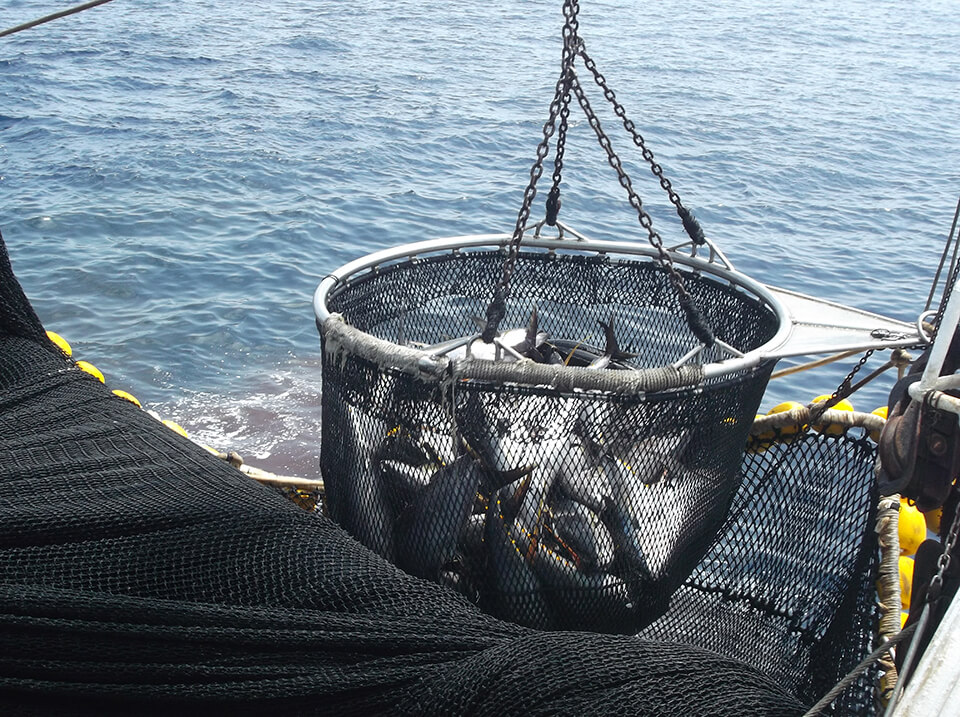
Despite these challenges, the EU fleet points to its contribution to global fisheries management successes. According to the latest report from the International Seafood Sustainability Foundation (ISSF), 98% of tuna catches worldwide now come from non-overfished stocks.
In stark contrast to the unverified data from these Asian-capital fleets, OPAGAC highlights the significant operational and economic effort European vessels undertake to comply with measures such as catch limits, onboard observers, and the FAD ban. While ICCAT agreed last November to reduce the FAD ban from 72 to 45 days in 2025, OPAGAC argues this reduction is still insufficient. The organisation insists it's crucial to maximize the ban's duration, enforce existing catch limits, and ensure verifiable compliance by all fleets operating in the same waters.
.png) Despite these challenges, the EU fleet points to its contribution to global fisheries management successes. According to the latest report from the International Seafood Sustainability Foundation (ISSF), 98% of tuna catches worldwide now come from non-overfished stocks. Despite these challenges, the EU fleet points to its contribution to global fisheries management successes. According to the latest report from the International Seafood Sustainability Foundation (ISSF), 98% of tuna catches worldwide now come from non-overfished stocks.
Hopes for a Policy Shift in Brussels
In this critical scenario, OPAGAC places its hope in the new Commissioner for Fisheries and Oceans, Costas Kadis, to rebalance EU fisheries policy and ensure a level playing field for the European fleet. Of particular relevance, OPAGAC notes, is the European Commission's public consultation evaluating the inclusion of sustainability criteria in autonomous tariff quotas (ATQs).
Currently, over 900,000 tonnes of fishery products enter the EU duty-free without being subjected to environmental or labour standards comparable to those imposed on European operators. For the Spanish tuna fleet, linking ATQs to robust sustainability requirements would be a crucial step towards reinforcing regulatory coherence, enhancing sector competitiveness, and safeguarding the EU's food sovereignty.
[email protected]
www.seafood.media
Information of the company:
|
Address:
|
C/ Ayala 54
|
|
City:
|
Madrid
|
|
State/ZIP:
|
(28001)
|
|
Country:
|
Spain
|
|
Phone:
|
+34 91 5758 959
|
|
Fax:
|
+34 91 5758 959
|
|
E-Mail:
|
[email protected]
|
More about: 
|
|






 Print
Print