|
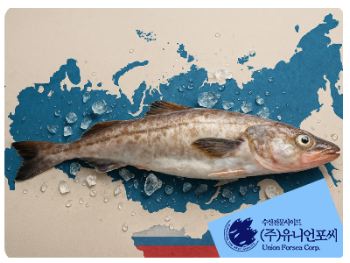
Photo: Union Forsea Corp.
South Korea’s Seafood Market: Pollock Imports Fall While Sardine and Overall Values Rise
 (SOUTH KOREA, 9/12/2025)
South Korea’s Seafood Market Sees Mixed Trends in 2025
South Korea’s seafood import market showed a mix of trends in the first eight months of 2025, with a significant decrease in frozen pollock volume but an increase in import value, while frozen sardine imports saw a dramatic surge.
Frozen Pollock: Decreasing Volume, Increasing Price
Between January and August 2025, South Korea imported 77,997 tons of frozen pollock, an 11% decrease from the 88,010 tons imported during the same period in 2024. Despite this decline, pollock remains a crucial seafood, accounting for 13% of the nation’s total seafood imports of 620,000 tons.
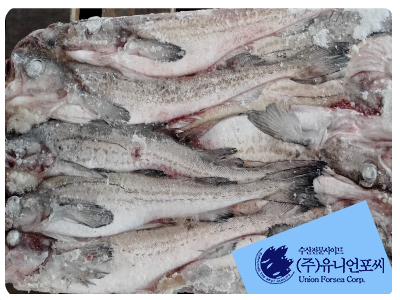
The country’s reliance on Russian suppliers remains exceptionally high, with 97% of all frozen pollock imports coming from Russia. The average import price from Russia was $1.04/kg, significantly lower than prices from the United States ($1.63/kg) and China ($1.73/kg). The overall average unit price for pollock stood at $1.06/kg, marking a 9% increase from $0.97/kg a year earlier. This price effect helped to offset some of the volume shortfall, as the total import value for frozen pollock only fell by 3% to $82.37 million compared to the same period in 2024.
Russian Seafood Imports: A Mixed Bag
Overall seafood imports from Russia in August 2025 saw a 2% increase, totaling 19,684 tons. However, the cumulative imports for the January-August period decreased by 1% to 165,361 tons. Russian seafood accounted for 27% of South Korea’s total seafood imports.
.png)
Click on the image to enlarge it
While frozen pollock imports from Russia specifically fell by 13% to 75,540 tons, other Russian seafood products saw different trends:
-
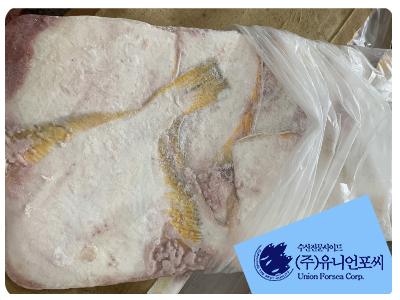
Frozen Sardine imports soared by 1.5% to 15,781 tons, a stark contrast to just 237 tons a year earlier.
-
Frozen Alaska Pollock Roe fell by 2% to 12,539 tons.
-
Frozen Yellowfin Sole declined by 8% to 8,350 tons.
-
Frozen Pacific Herring dropped by 28% to 8,177 tons.
In terms of value, total seafood imports from Russia in August decreased by 5% to $59.15 million. However, the cumulative import value for the year remained stable at $523.83 million, a slight increase from the previous year. The average unit price for Russian seafood increased by 2% to $3.17/kg. South Korea's heavy dependence on Russian seafood makes future supply and price stability contingent on international developments and fluctuations in Russia's catch levels.
.png)
Source: Union Forsea Corp.
[email protected]
www.seafood.media
Information of the company:
|
Address:
|
Floor 5. Myungbo B/D, 216 Gudeok-ro, Seo-gu,
|
|
City:
|
Busan
|
|
State/ZIP:
|
(49223)
|
|
Country:
|
South Korea
|
|
Phone:
|
+82 51-242-5300
|
|
Fax:
|
+82 51-242-5321
|
|
E-Mail:
|
[email protected]
|
More about: 
|
|
|
|






.png)

 Print
Print