|
Tilapia could become the most strategically important aquaculture species in Asia
 (WORLDWIDE, 7/14/2026)
Regulatory momentum in China, the shift toward saline tilapia in Indonesia, and Vietnam's aggressive export expansion are reshaping the global whitefish and food security landscape.
Amidst ever-increasing global food demand, the United Nations Food and Agriculture Organization (FAO) assesses tilapia (Oreochromis niloticus) as one of the aquaculture species with the greatest potential to meet sustainable protein needs in the future. Thanks to its rapid growth, ease of cultivation, and reasonable production costs, tilapia is playing an increasingly important role in food security and the development of Asia's aquaculture economy.
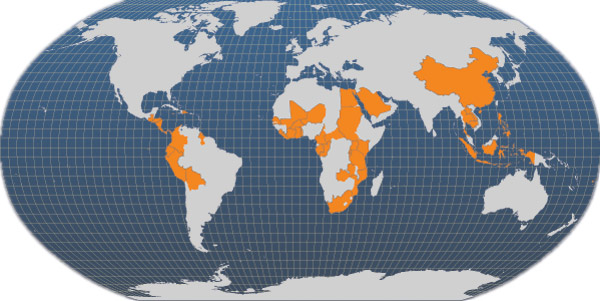
Major *Oreochromis niloticus* producing countries (FAO)
According to the FAO, Asia is currently the world's aquaculture hub and also the largest producer of tilapia. This fish possesses many outstanding advantages such as a high survival rate, good adaptability to various environmental conditions, the ability to be raised in many different models, and efficient feed utilization. These characteristics make tilapia suitable for both small-scale and industrial production.
One of the biggest advantages of tilapia is its ability to provide an affordable source of protein for developing countries. In the "Blue Transformation 2022-2030" roadmap, the FAO emphasizes that aquaculture will be a pillar of global food security, with tilapia considered to have particular potential due to its scalability and high economic efficiency.
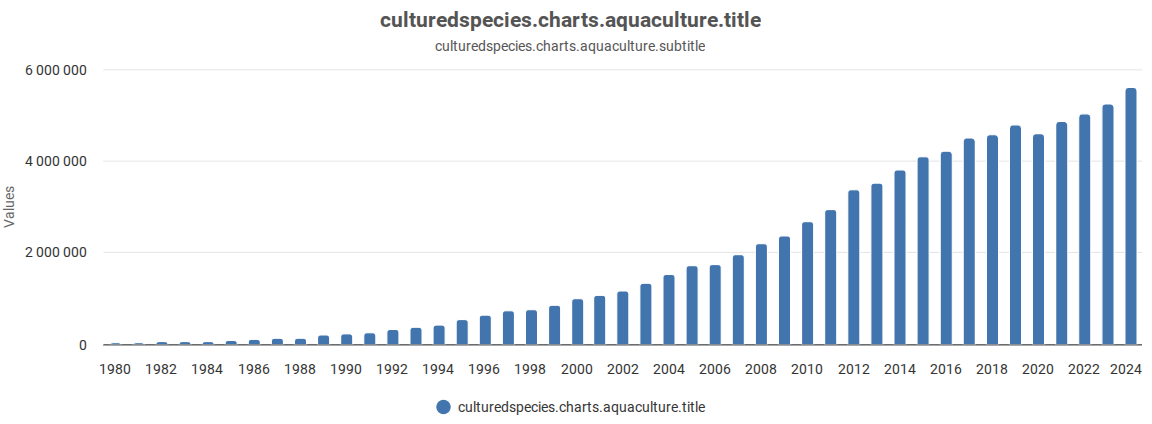
Click on the image to enlarge it
Furthermore, tilapia is considered a more sustainable protein source than many land-based meats, with low carbon emissions and less reliance on fishmeal and fish oil. No longer just a cheap product, high-quality tilapia is now positioning itself as an alternative to traditional whitefish species in the context of increasingly limited global supplies of cod and sea bass. The FAO believes that with favorable natural conditions, long-standing farming experience, and a large consumer market, Asia has the opportunity to become the growth center of the global tilapia industry in the coming decades.
China: New Fisheries Law and price stability
China remains the world's largest producer and exporter of tilapia, but influenced by factors such as changes in US tariff policies and the diversification of international procurement channels, other players are actively seeking to gain ground. Currently, the tilapia market in China is undergoing a structural transformation process due to the final implementation and enforcement of the new Fisheries Law.
-
Production and aquaculture: The new regulations impose drastic environmental controls on the aquaculture sector, setting strict limits on nitrogen, total phosphorus, and chemical oxygen demand. This is accelerating a supply chain consolidation: large export processing plants have already completed their infrastructure upgrades, while small producers face severe pressure and are harvesting early due to fears of closures.
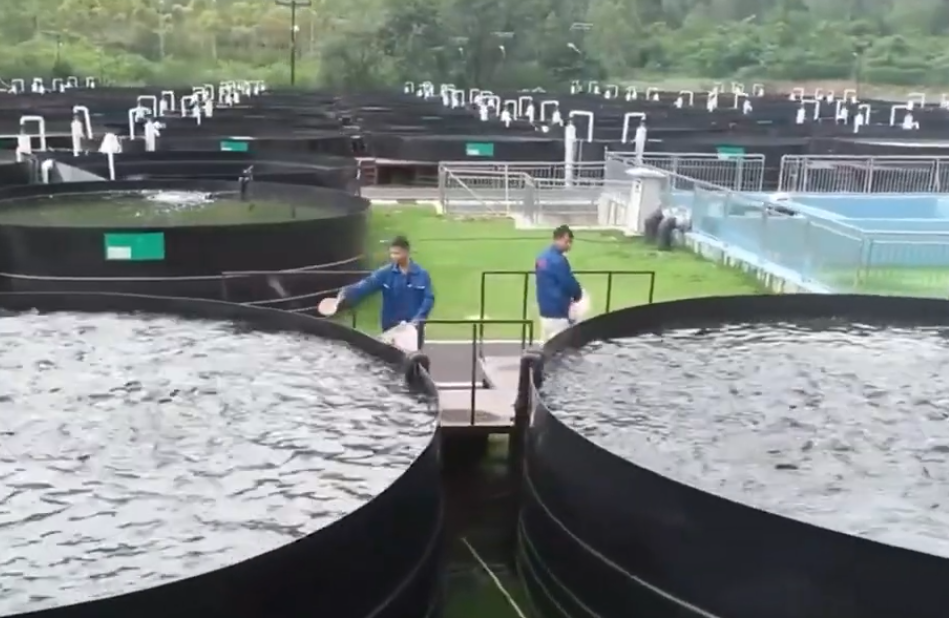
Photo: Stockfile/YouTube
-
-
Foreign trade: Despite domestic regulatory pressures, export volumes maintain historic dynamism. The Maoming hub in Guangdong Province, labeled as the tilapia capital of China, recorded massive increases in shipment volumes to international markets in recent weeks, consolidating frozen fillet processing.
-
Prices: In the main areas of southern China, producer prices have remained stable, with a cautious market sentiment driven by rising operating costs from effluent treatment systems.
Indonesia: Drive for saline tilapia
High-salinity aquaculture: The Indonesian government maintains tilapia as a priority within the "Blue Economy", promoting the conversion of disused shrimp ponds for the cultivation of saline tilapia, a product with high acceptance in the international market due to its firm flesh consistency.
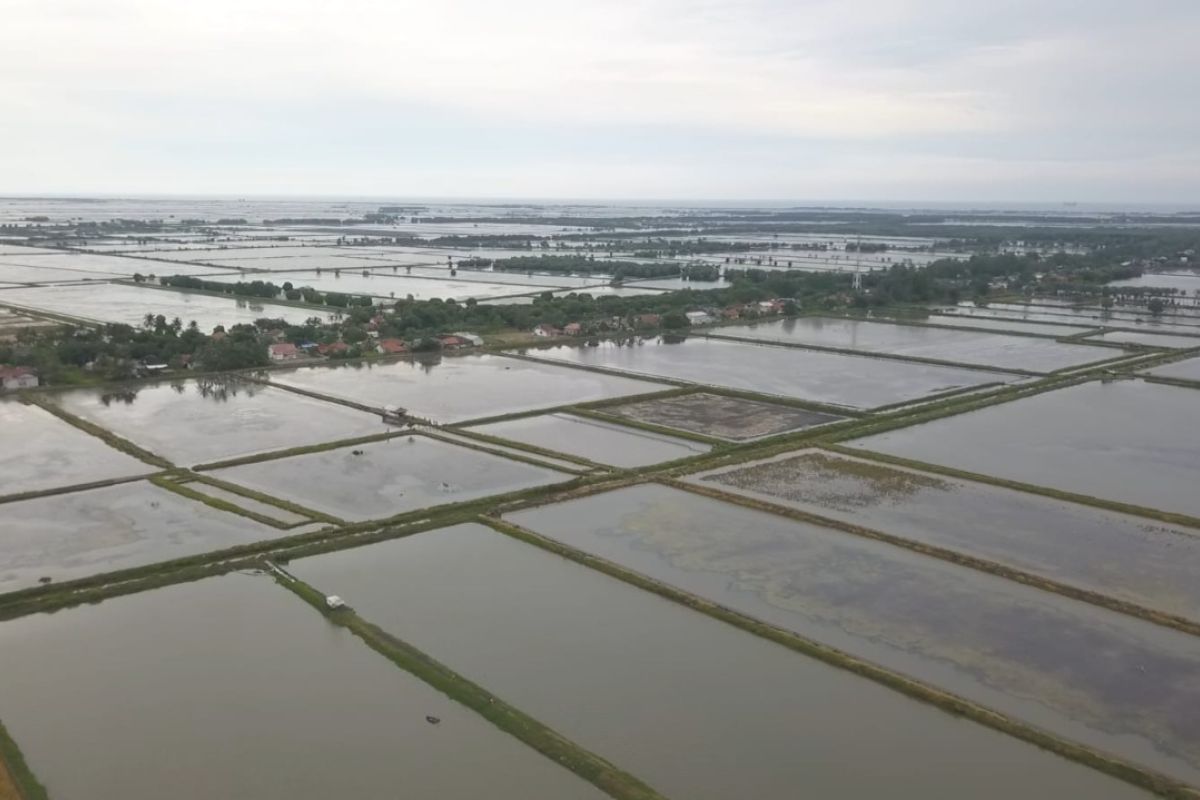
Foto: Gentileza antara News
- Global positioning: Recent reports validated by the FAO highlight that tilapia is on track to become the most strategic aquaculture species in Asia due to its feed conversion efficiency and its role in food security. Leading companies in the country's sector confirm 100% integrated operations, from hatchery to processing plant, focusing on the traceability required to ensure re-entry into the European Union market.
Vietnam: Aggressive expansion of frozen fillets
Vietnam is positioning itself as the fastest-growing competitor in the frozen fillet segment. Commercial reports from the Vietnam Association of Seafood Exporters and Producers (VASEP) and key exporters confirm that tilapia shipments recorded year-on-year increases exceeding 140%, aiming at a strategic diversification to reduce exclusive reliance on pangasius (Pangasius hypophthalmus).
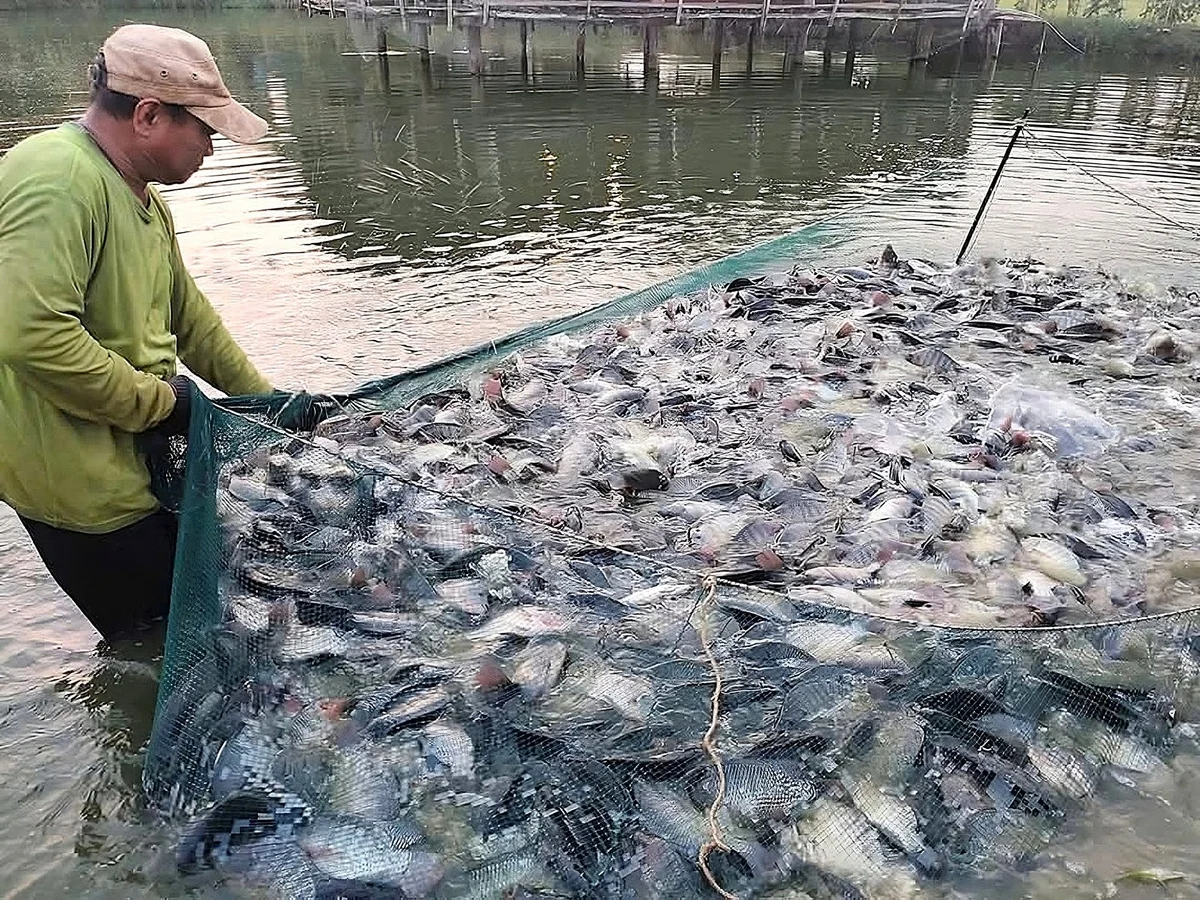
Stockfile /FIS
The operational phase of the major tilapia development program in the Red River and Mekong deltas, backed by the Ministry of Agriculture and Rural Development (MARD), is currently underway. The project seeks to standardize production under international certifications to expand its penetration into the United States, the Union European, and the Middle East.
Recent industry data released by VASEP reveals that Vietnam's tilapia exports are expected to reach nearly US$ 100 million in 2025, representing a significant increase compared to 2024. The annual tilapia farming output will be approximately 420,000 tons, reflecting the continuous expansion of the industry. A stable raw material supply, continuous improvement in processing capacity, and an increasingly perfected quality traceability system are driving the competitiveness of Vietnamese tilapia in the international market.
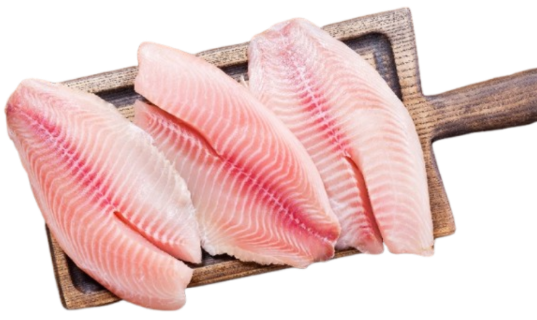
Stockfile /FIS
From an industrial foundation perspective, Vietnam has established a highly structured value chain. According to VASEP data, the country currently has 303 seed production enterprises and 178 hatcheries, capable of producing approximately 1.4 billion tilapia fry annually, guaranteeing a stable supply for aquaculture expansion. In terms of processing, the nation possesses 510 export processing enterprises nationwide.
Regarding applied technology, Vietnam has actively promoted modern models in recent years, including biofloc aquaculture technology (Biofloc), as well as VietGAP and GlobalG.AP standardized systems. Advanced feed nutrition programs, probiotic management technology, and a full-process product traceability system are also applied. The backing of international certifications has become a fundamental pillar for opening high-value markets; currently, Vietnamese products cover schemes such as VietGAP, GlobalG.AP, ASC (Aquaculture Stewardship Council), and BAP (Best Aquaculture Practices), facilitating access to Europe and the United States.

Industry insiders point out that the focus of the tilapia industry in Vietnam has gradually shifted from simple farming scale expansion toward improving product quality and supply stability. VASEP stated that a stable supply of raw materials, a safe farming system, and comprehensive product traceability are crucial foundations for future development. With sustained expansion and enhanced processing capabilities, Vietnamese tilapia is steadily increasing its influence in the global market, consolidating itself as a new growth engine for the nation's seafood exports.
🇯🇵 Japanese Version
アジアで最も戦略的に重要な養殖魚種となるティラピア、市場の構造転換が進む
中国の規制強化、インドネシアの海水ティラピアへの注力、そしてベトナムの攻めの輸出拡大により、世界の白身魚市場と食料安全保障の構図が再編されつつある。
世界的な食料需要の絶え間ない高まりの中、国際連合食糧農業機関(FAO)は、ティラピア(Oreochromis niloticus)を将来の持続可能なタンパク質需要を満たす潜在能力が最も高い養殖魚種の一つとして評価している。その成長の早さ、養殖の容易さ、そして合理的な生産コストにより、ティラピアは食料安全保障とアジアの養殖経済の発展において、ますます重要な役割を果たしている。
FAOによると、アジアは現在、世界の養殖の中心地であり、ティラピアの最大生産地でもある。この魚は、高い生存率、多様な環境条件への優れた適応性、多種多様なモデルでの飼育可能性、そして効率的な飼料利用といった多くの顕著な優位性を備えている。これらの特性により、ティラピアは小規模生産にも工業的生産にも適している。
ティラピアの最大の利点の一つは、開発途上国に対して手頃な価格のタンパク質源を提供できる点にある。「ブルー・トランスフォーメーション2022-2030」ロードマップにおいて、FAOは養殖業が世界の食料安全保障の柱になると強調しており、ティラピアはその拡張性と高い経済効率性から、特に高い潜在能力を持つとみなされている。
さらに、ティラピアは多くの陸上肉類よりも持続可能なタンパク質源とされており、炭素排出量が少なく、魚粉や魚油への依存度も低い。もはや単なる安価な製品ではなく、高品質なティラピアは、タラやスズキの世界的な供給がますます制限される中で、伝統的な白身魚種の代替品としての地位を確立しつつある。FAOは、有利な自然的条件、長年の養殖経験、そして巨大な消費市場を持つアジアには、今後数十年間で世界のティラピア産業の成長の中心地となる機会があると確信している。
中国:新漁業法と価格の安定
中国は依然として世界最大のティラピア生産国および輸出国であるが、米国の関税政策の変更や国際的な調達チャネルの多様化などの要因の影響を受け、他のプレーヤーも地盤を固めようと動いている。現在、中国のティラピア市場は、新漁業法の最終的な実施と監査により、構造的な転換プロセスの最中にある。
-
生産と養殖: 新たな規制は、養殖セクターに対して劇的な環境管理を課しており、窒素、全リン、および化学的酸素要求量(COD)に厳格な制限を設けている。これにより、サプライチェーンの淘汰が加速している。大手の輸出加工工場はすでにインフラの更新を完了しているが、小規模生産者は圧力を受け、閉鎖への懸念から前倒しで水揚げを行っている。
-
対外貿易: 国内の規制圧力にもかかわらず、輸出量は歴史的な活力を維持している。広東省の茂名(マオミン)拠点は、中国のティラピアの首都と称されており、ここ数週間で国際市場への出荷量が大幅に増加し、冷凍フィレ加工の地位を強固なものにしている。
-
価格: 中国南部の主要地域では、生産者価格は安定を維持しているが、排水処理システムに起因する操業コストの上昇により、市場心理は慎重になっている。
インドネシア:海水ティラピアへの弾み
-
高塩分養殖: インドネシア政府はティラピアを「ブルー・エコノミー」の優先事項として位置づけており、使用されていないエビ養殖池を、肉質の良さから国際市場で高い評価を得ている海水ティラピア(汽水・海水適応型)の養殖へと転換することを推進している。
-
グローバルな位置づけ: FAOによって検証された最近の報告書では、ティラピアはその飼料要求率の効率性と食料安全保障における役割から、アジアで最も戦略的な養殖魚種になりつつあると強調されている。同国の主要企業は、孵化場から加工工場まで100%統合されたオペレーションを確認しており、欧州連合(EU)市場への再参入を確実にするために求められるトレーサビリティに焦点を当てている。
ベトナム:冷凍フィレの攻撃的な拡大
ベトナムは、冷凍フィレセグメントにおいて最も急成長している競合国として浮上している。ベトナム水産物輸出加工協会(VASEP)および主要輸出業者の商業報告によると、ティラピアの出荷量は前年比で140%を超える増加を記録しており、パンガシウス(Pangasius hypophthalmus)だけに依存しないための戦略的な多様化を狙っている。
農業地方開発省(MARD)の支援を受け、紅河(ホン川)およびメコン川デルタにおける大規模なティラピア開発プログラムの運用段階が進行中である。このプロジェクトは、米国、欧州連合、および中東への浸透を拡大するため、国際認証のもとでの生産の標準化を目指している。
VASEPが最近発表した業界情報によると、ベトナムのティラピア輸出額は2025年に約1億米ドルに達すると予想されており、2024年と比較して大幅な増加となる。年間のティラピア養殖生産量は約42万トンとなり、産業の継続的な拡大を反映している。安定した原料供給、加工能力の継続的な向上、そしてますます洗練される品質トレーサビリティシステムが、国際市場におけるベトナム産ティラピアの競争力を高めている。
産業基盤の観点から、ベトナムは非常に高度に構造化されたバリューチェーンを確立している。VASEPのデータによると、同国には現在、303の種苗生産企業と178の孵化場があり、年間約14億尾のティラピア稚魚を生産する能力があり、養殖拡大のための安定した供給を保証している。加工面では、同国は全国に510の輸出加工企業を擁している。
応用技術に関して、ベトナムは近年、バイオフロック養殖技術(Biofloc)や、VietGAPおよびGlobalG.AP標準化システムを含む現代的なモデルを積極的に推進してきた。また、高度な飼料栄養プログラム、プロバイオティクス管理技術、および全プロセスの製品トレーサビリティシステムも適用されている。国際認証の獲得は、高付加価値市場を開拓するための基本的な柱となっており、現在、ベトナム製品はVietGAP、GlobalG.AP、ASC(水産養殖管理協議会)、およびBAP(世界水産養殖連盟認証)などの仕組みをカバーし、欧州や米国へのアクセスを容易にしている。
業界関係者は、ベトナムのティラピア産業の焦点が、単なる養殖規模の拡大から、製品の品質向上と供給の安定へと段階的に移行していると指摘している。VASEPは、安定した原料供給、安全な養殖システム、および包括的な製品トレーサビリティが、将来の発展のための重要な基盤であると述べた。養殖規模の持続的な拡大と輸出加工能力の強化により、ベトナム産ティラピアはグローバル市場での影響力を着実に高めており、同国の水産物(製品マリーノス)輸出の新たな成長エンジンとして確固たる地位を築きつつある。
🇨🇳 Simplified Chinese Version
罗非鱼正成为亚洲最具战略意义的养殖品种,市场结构转型加速
中国的新渔业法监管推进、印度尼西亚对盐水罗非鱼的倾斜以及越南进取型的出口扩张,正重新塑造全球白身鱼市场与粮食安全的格局。
在全球粮食需求不断增长的背景下,联合国粮食及农业组织(FAO)将罗非鱼(Oreochromis niloticus)评估为未来满足可持续蛋白质需求最具潜力的养殖鱼种之一。得益于其生长迅速、易于养殖以及合理的生产成本,罗非鱼在保障粮食安全和推动亚洲养殖经济发展中发挥着越来越重要的作用。
根据FAO的数据,亚洲目前是全球水产养殖的核心地带,也是罗非鱼的最大生产地。这种鱼具有许多显著优势,如高存活率、对各种环境条件的良好适应性、可在多种不同模式下饲养以及高效的饲料利用率。这些特性使得罗非鱼既适合小规模生产,也适合工业化生产。
罗非鱼最大的优势之一是能够为发展中国家提供经济实惠的蛋白质来源。在《蓝色转型2022-2030》路线图中,FAO强调水产养殖将成为全球粮食安全的支柱,而罗非鱼因其可扩展性和高经济效益而被认为具有特殊的潜力。
此外,罗非鱼被认为比许多陆生肉类更具可持续性,其碳排放量低,对鱼粉和鱼油的依赖也较少。罗非鱼已不再仅仅是一种廉价产品,在鳕鱼和海鲈鱼全球供应日益受限的背景下,高品质罗非鱼正将自己定位为传统白身鱼类的替代品。FAO相信,凭借有利的自然条件、长期的养殖经验和庞大的消费市场,亚洲有機會在未来几十年内成为全球罗非鱼产业的增长中心。
中国:新渔业法与价格稳定
中国仍是全球最大的罗非鱼生产国和出口国,但受到美国关税政策变化和国际采购渠道多元化等因素的影响,其他参与者也在积极寻求巩固自身阵地。目前,由于新渔业法的最终实施与审计监督,中国的罗非鱼市场正处于结构性转型过程中。
-
生产与水产养殖: 新法规对养殖业实施了严厉的环境控制,对氮、总磷和化学需氧量(COD)设定了严格限制。这正在加速供应链的优胜劣汰:大型出口加工厂已经完成了基础设施升级,而小农户则面临巨大压力,因担心被关闭而提前捕捞。
-
对外贸易: 尽管国内面临监管压力,出口量仍保持历史性的活力。被誉为中国罗非鱼之都的广东省茂名枢纽,近几周向国际市场的出货量录得大幅增长,巩固了冻片加工的地位。
-
价格: 在中国南部的核心产区,塘口价保持稳定,由于废水处理系统带来的运营成本上升,市场情绪趋于谨慎。
印度尼西亚:推动盐水罗非鱼发展
-
高盐度水产养殖: 印尼政府将罗非鱼视为“蓝色经济”的优先发展项目,积极推动将废弃的虾塘改造为盐水罗非鱼养殖场。该产品因其肉质紧实,在国际市场上具有很高的接受度。
-
全球定位: 经FAO验证的近期报告强调,罗非鱼因其饲料转化率的高效性以及在粮食安全中的作用,正有望成为亚洲最具战略意义的养殖品种。该国水产行业的领先企业证实,其运营实现了从孵化场到加工厂的100%一体化,重点聚焦于重新进入欧盟市场所需的溯源性。
越南:冻鱼片市场的激进扩张
越南正将自己定位为冻鱼片领域增长最快的竞争者。来自越南水产品出口商与制造商协会(VASEP)及核心出口商的商业报告证实,罗非鱼的出货量录得同比超过140%的增长,旨在进行战略性多元化,以减少对红肉巴沙鱼(Pangasius hypophthalmus)的单一依赖。
在农业与农村发展部(MARD)的支持下,红河三角洲和湄公河三角洲的大型罗非鱼发展计划正处于运营阶段。该项目旨在国际认证标准下推进标准化生产,以扩大对美国、欧盟和中东市场的渗透。
VASEP近期发布的行业信息显示,预计2025年越南的罗非鱼出口额将达到近1亿美元,与2024年相比显著增长。年罗非鱼养殖产量将达到约42万吨,反映出产业的持续扩张。稳定的原材料供应、不断提升的加工能力以及日益完善的质量追溯体系,正推动越南罗非鱼提高其在国际市场上的竞争力。
从产业基础来看,越南已经建立了高度结构化的价值链。根据VASEP的数据,该国目前拥有303家种苗生产企业和178家孵化场,年产罗非鱼苗约14亿尾,为养殖扩张提供了稳定的供应保障。在加工方面,该国在全国范围内拥有510家出口加工企业。
在应用技术方面,越南近年来积极推广现代模式,包括生物絮团养殖技术(Biofloc),以及VietGAP和GlobalG.AP标准化养殖体系。此外,还应用了先进的饲料营养方案、益生菌管理技术和全流程产品追溯系统。国际认证的支持已成为开拓高价值市场的核心支柱;目前,越南产品已逐步覆盖VietGAP、GlobalG.AP、ASC(水产养殖管理委员会)和BAP(最佳水产养殖规范)等体系,为产品进入欧洲和美国创造了有利条件。
行业人士指出,越南罗非鱼产业的重心已逐渐从单纯的养殖规模扩张转向提升产品质量和供应稳定性。VASEP表示,稳定的原材料供应、安全的养殖体系以及全面的产品追溯是未来发展的关键基石。随着养殖规模的持续扩大和出口加工能力的增强,越南罗非鱼正稳步提升其在全球市场的影响力,并正成为越南水产品出口的新增长引擎。
[email protected]
www.seafood.media
Information of the company:
|
Address:
|
218 Road No.6, Zone A, An Phu An Khanh New Urban Area, District 2
|
|
City:
|
Ho Chi Minh
|
|
State/ZIP:
|
( )
|
|
Country:
|
Viet Nam
|
|
Phone:
|
+84 28 6281 0430
|
|
Fax:
|
+84 28 6281 0437
|
|
E-Mail:
|
[email protected]
|
More about: 
|
|
|
|






.png)


 Print
Print