If you would like to send us an article, contact Margaret Stacey
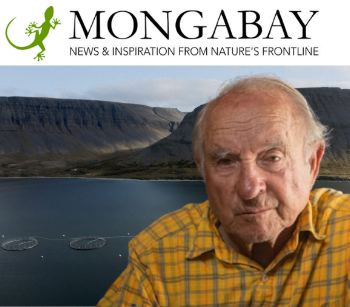
Yvon Chouinard is the founder of clothing brand Patagonia. Photo: Mongabay / FIS
Patagonia Founder Yvon Chouinard Demands Rejecting Iceland Aquaculture Bill to Save Wild Salmon
(ICELAND, 5/30/2026)
Open-net fish farming threatens the 'king of fish' with extinction while risking Iceland's multibillion-dollar tourism economy
The population of wild North Atlantic salmon has plummeted by 75% over the last 50 years, leaving fewer than 60,000 fish in and around Iceland. In a powerful commentary published by Mongabay, Yvon Chouinard, the founder of Patagonia, warns that a new aquaculture bill currently facing the Icelandic parliament could fast-track the extinction of this keystone species.
Source: Laxaþjóð | A Salmon Nation | Patagonia Films
Chouinard, who has visited Iceland regularly since 1960, argues that expanding open net-pen fish farming will compound the existing mortal threats of climate change. These industrial farms utilize massive floating cages stretching 30 to 50 meters deep, with each farm holding over 1.6 million carnivorous salmon. Operating these facilities requires millions of pounds of wild fishmeal, which decimates global populations of sardines and herring while polluting local waters with waste, heavy metals, microplastics, and antibiotics.
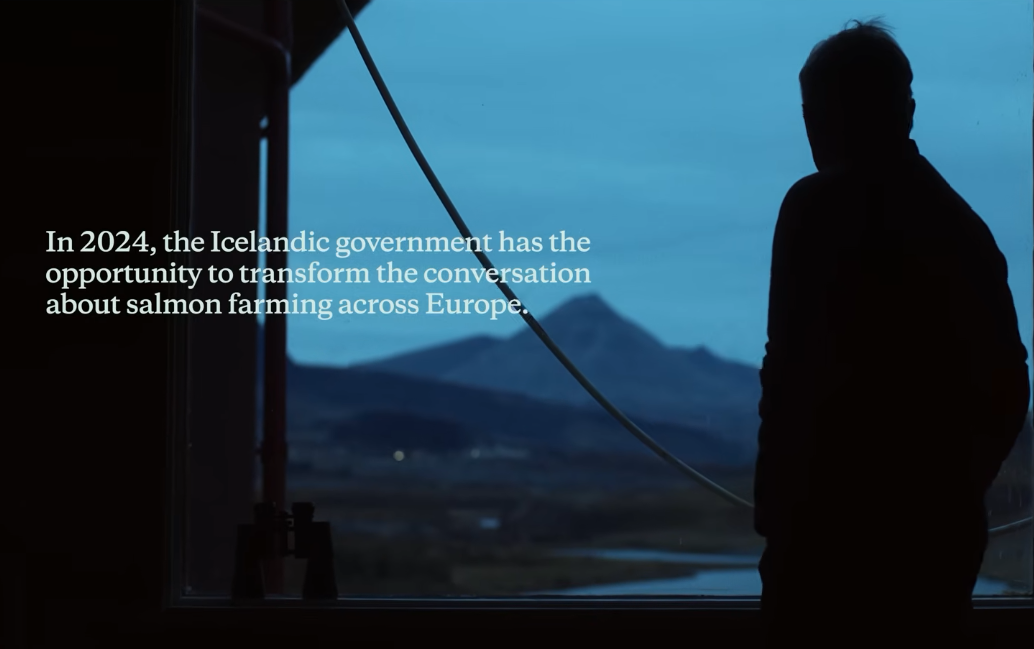
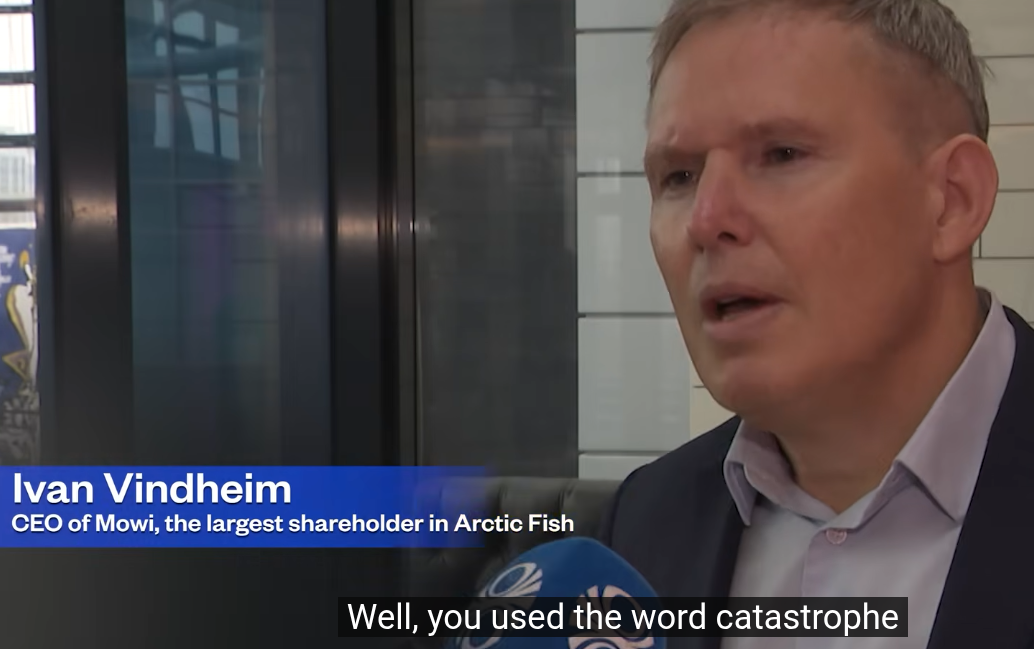
Ivan Vindheim, CEO of Marine Harvest, appears in the Patagonia video giving his opinion. Laxaþjóð | A Salmon Nation | Patagonia Films
The environmental fallout extends far beyond pollution:
Parasite Infestations: Crowded pens trigger feeding frenzies for salmon lice, causing massive die-offs that spread to wild salmon up to 60 kilometers away. Chemical treatments then inadvertently poison downstream populations of lobsters and crabs.
Genetic Pollution: Escapes from these pens—similar to the catastrophic Washington state collapse in 2017 and an Icelandic incident in 2023—allow domesticated, selectively bred fish to mate with wild populations, permanently weakening generations of highly evolved survival genes.
This issue carries massive economic implications for the country. Iceland's tourism sector employs more than 34,000 people and generates over $7 billion in local revenue. Conversely, the aquaculture industry is largely Norwegian-owned, employs only a few hundred people, and exports its revenue out of the country.
Polling shows that more than 65% of Icelanders oppose open-net salmon farming. Through Patagonia, which was founded in 1973, Chouinard has spent decades supporting wild fish advocacy groups like the North Atlantic Salmon Fund, WildFish, and the Icelandic Wildlife Fund. He urges Icelandic ministers to listen to their citizens, resist the global aquaculture industry, and protect the nation's wild heritage.
To read the full, unabridged commentary detailing the ecological data and advocacy efforts, visit the original article onMongabay.




 (ICELAND, 5/30/2026)


 Print
Print