|
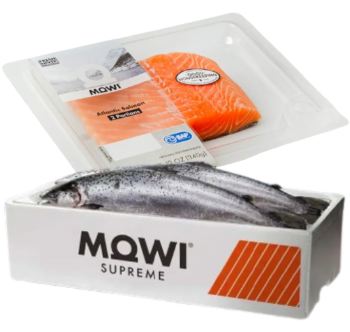
Photo: Mowi/FIS
Farmed Salmon vs. Wild Salmon: Mowi Debunks Myths and Highlights Aquaculture's Sustainability
 (NORWAY, 10/6/2025)
The leading company explains that key differences lie in environment and diet, but not in nutritional profile, color, or environmental impact when responsible practices are applied.
Mowi, one of the world's largest salmon producers, has issued a statement to address persistent "misconceptions" in the debate surrounding wild versus farmed salmon. In a context where most of the salmon we consume today comes from aquaculture, the company seeks to demystify the differences and underscore the benefits of its sustainable practices.
The main distinction between wild-caught and farm-raised salmon lies in their environment and diet. Wild salmon come from natural oceans and feed on elements found in the marine ecosystem, while farmed salmon are grown in controlled settings and fed a scientifically managed diet. Mowi emphasizes that neither of these differences negatively impacts their nutritional profile.
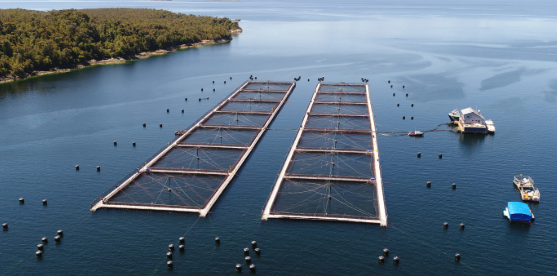
Photo: Mowi
Color and Health Benefits: Myths Debunked
A "common misconception" is that the color of farmed salmon is achieved through artificial dyes. Mowi clarifies that, whether farmed or wild, salmon get their color from their diet and a natural pigment present in their feed. In farmed salmon, feed supplements include carotenoids, the same natural pigments that wild salmon consume in nature through their diet (e.g., crustaceans). Carotenoids not only produce vibrant colors, as seen in flamingos or salmon, but are also powerful antioxidants that help boost the fish's immune system.
Regarding health benefits, Mowi assures that farmed salmon has the same nutritional value as its wild counterpart. "A lot of science and innovation has gone into perfecting the diets and living conditions of farmed salmon to ensure they as closely replicate their wild counterparts," the company states. Farmed salmon diets are carefully formulated to mimic the nutrients found in a wild salmon's diet, making their nutritional profiles "nearly identical."
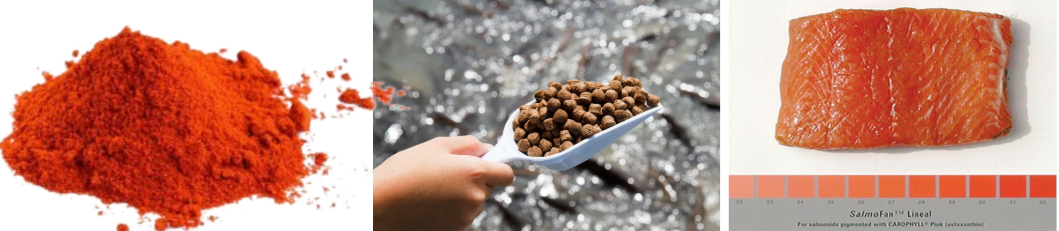
In fact, the company argues that some experts even contend that farmed salmon could be healthier because its inputs are controlled. While a wild salmon "swims throughout the ocean and eats other wild fish and potentially other items that might be in the marine ecosystem," farmed salmon are fed a scientifically managed diet, where everything the fish ingests can be accounted for. Both types of salmon are "excellent sources of lean protein, Omega-3 fatty acids, and other vital nutrients."
Ocean Resource Consumption and Environmental Impact
A crucial point Mowi addresses is the use of marine resources. The company highlights that farmed salmon eat less wild fish than wild salmon. Mowi uses 0.56 kg of sustainably sourced wild fish (like anchovies and sardines) to produce 1 kg of farm-raised salmon. This is known as the Fish In, Fish Out (FIFO) ratio. The company is actively working to source alternative, healthy ingredients for its fish feed to reduce its reliance on scarce marine resources.
Foto: Mowi
When it comes to environmental impact, Mowi asserts that both wild and farmed salmon can be sustainable. Challenging the assumption that salmon farming is unsustainable and has adverse impacts, Mowi explains that its sustainable salmon farming practices prioritize minimizing environmental impact. Efforts include waste control, water quality management, and the implementation of responsible feed practices. Mowi's farms adhere to "stringent sustainability certifications" to ensure they operate in an environmentally friendly manner. The company states that the seabed below its sites is "regularly and widely monitored" to ensure the presence of ample life for regeneration, demonstrating that they leave no permanent impact.
Conclusion: Personal Preference and Environmental Benefits
In the wild salmon vs. farmed salmon debate, Mowi concludes that "neither type is inherently better than the other." Ultimately, the choice comes down to personal preference, as both are nutritious and delicious options that support overall health. However, Mowi emphasizes that "there are more obvious environmental benefits to choosing farm-raised salmon," as it helps meet the growing demand for seafood while protecting remaining wild populations.
[email protected]
www.seafood.media
Information of the company:
|
Address:
|
Stortingsgaten 8
|
|
City:
|
Oslo
|
|
State/ZIP:
|
(N-0161)
|
|
Country:
|
Norway
|
|
Phone:
|
+47 21 56 20 00
|
|
Fax:
|
+47 21 56 20 01
|
|
E-Mail:
|
[email protected]
|
|
Skype:
|
https://www.instagram.com/mowiglobal/
|
More about: 
|
|
|
Approval / Accreditation / Certified / Oversight by...


|







 Print
Print